
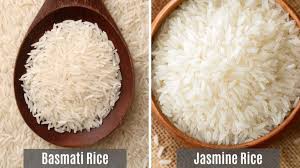
Jasmine Rice vs. Basmati: A Complete Guide by a Global Rice Producer
These are two legendary rice varieties that top the list when it comes to the selection of the best for the kitchen, namely Jasmine rice and Basmati rice. Both are loved worldwide, deeply aromatic, and find their place in millions of households, restaurants, and food manufacturing operations around the world. Still, at the present time, despite the popularity of this commodity, many buyers remain in a dilemma about which one best suits their needs, especially wholesalers, importers, retailers, and food businesses. Jasmine Rice vs Basmati
As one of the world’s leading companies in rice production and export, we address a wide range of buyers throughout Asia, Europe, Africa, the Middle East, and the Americas. Over the years, we have supplied several thousand metric tons annually to all types of wholesalers, distributors, supermarkets, restaurants, and government procurement agencies with the best varieties of Jasmine and Basmati rice. Because we understand rice right from farm to container, we often guide our customers on how to choose between Jasmine and Basmati regarding their business goals, culinary needs, market demand, and price range. Jasmine Rice vs Basmati
The following in-depth comparison analyzes Jasmine versus Basmati rice from various perspectives: culinary but also commercial and sourcing, in terms of price, availability, and suitability for large-scale supply. Be you a cook, a restaurant purchaser, or a bulk importer, this article shall crystallize your thinking processes while showing how our company can support your rice supply needs with competitive pricing and reliable global shipping. Jasmine Rice vs Basmati
1. Jasmine Rice: The Soft & Fragrant Southeast Asian Favorite
What is Jasmine Rice?
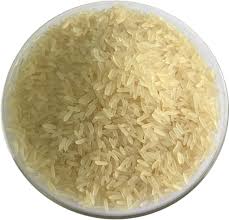
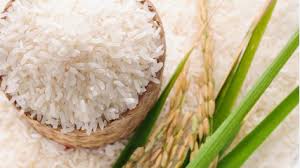
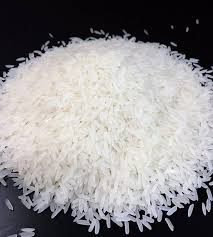
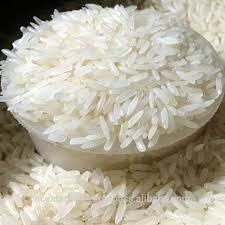
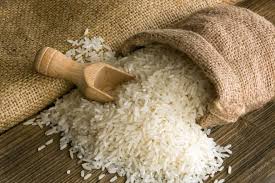
Jasmine rice, or Thai fragrant rice, is a variety of rice that originated in Thailand. Its value lies in the floral, natural aroma and the soft, slightly sticky finish. It is grown mainly in Thailand, Cambodia, and Vietnam. As a rice processing and export company, we source and process Jasmine rice directly from premium-grade paddies to ensure rich aroma and long beautiful grains. Jasmine Rice vs Basmati
Key Characteristics
- Texture: Soft, tender, and slightly sticky when cooked.
- Aroma: Floral, sweet, and natural—not artificially fragranced.
- Grain Type: Long-grain but becomes slightly plumper after cooking
- Color: Pure white, the higher quality Jasmine indeed having a glossy appearance.
- Popular Use: Southeast Asian dishes; home cooking; hospitality and restaurant service
Why Jasmine Rice is Loved Worldwide
Jasmine rice is tailored for dishes requiring softness and fragrance. In most cultures, it is the rice that goes onto the table daily at home. This type of rice, because of its warm aroma and fluffy texture, is ideal in the preparation of dishes with curries, stir-fries, grilled meats, and broths. Jasmine Rice vs Basmati
Industries that Generally Buy Jasmine Rice in Bulk
- Supermarkets and retail packaging companies
- Restaurants: Thai, Chinese, Asian fusion, Mediterranean
- Government and NGO food supply projects
- Hotel and catering services
- Companies manufacturing ready meal foods
Our Supply Advantage
We are direct producers, ensuring that:
- Stable quality from controlled farms
- Even grain length and pleasant aroma
- Competitive wholesale prices
- Bulk and containerized freight worldwide
- Custom packaging and private labeling
We handle farming, milling, quality testing, and export logistics to ensure that buyers of Jasmine rice enjoy unparalleled reliability and value. Jasmine Rice vs Basmati
2. Basmati Rice: The King of Long-Grain Fragrance
What is Basmati Rice?
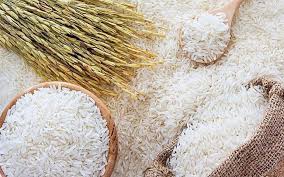
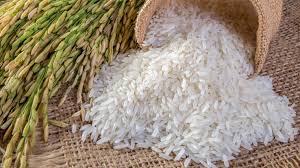
Basmati rice is part of the family of extra-long-grain rice that is grown mainly in India and Pakistan. Its most characteristic feature is the long, thin type of grain that dramatically expands upon cooking, sometimes even doubling in length. It’s nutty, earthy, and deeply fragrant. Jasmine Rice vs Basmati
Key Characteristics
- Texture: Fluffy, dry, and not sticky
- Aroma: Rich, nutty, full-bodied scent
- Grain Type: Very long and narrow
- Color: Natural white or golden; aged varieties are darker
- Popular Use: Indian, Persian, Middle Eastern dishes
Why is Basmati Preferred Globally?
It is considered the number one choice in the world for dishes prepared with light, separate grains. This variety is most often considered for biryanis, pilafs, kabab platters, and other festive rice dishes. Jasmine Rice vs Basmati
Industries Purchasing Basmati Rice in Bulk
- Indian, Pakistani, Persian, and Middle Eastern restaurants Jasmine Rice vs Basmati
- Grocery and ethnic food distributors
- Biryani and catering services
- Food brands manufacturing packaged biryanis or pilaf mixes
Our Supply Advantage
Being an exporter of bulk rice, we provide both:
- Premium Basmati: 1121, 1509, 1718, Traditional
- Aged Basmati to improve aroma and elongation
- Brown Basmati for health-oriented markets
We also provide a discount for bulk orders and customize the labeling as per your market’s requirements. Jasmine Rice vs Basmati
3. Jasmine Rice Versus Basmati Rice: Full Comparison
Both forms differ in taste, texture, and culinary use. A clear comparison based on features that matter most for both a home consumer and a bulk buyer is hereby presented. Jasmine Rice vs Basmati
| Feature | Jasmine Rice | Basmati Rice |
|---|---|---|
| Origin | Thailand, Vietnam, Cambodia | India, Pakistan |
| Texture | Soft, slightly sticky | Fluffy, separate grains |
| Aroma | Floral–sweet | Nutty–earthy |
| Grain Length | Long, slightly plump | Extra-long, slender |
| Cooking Method | Absorption method | Soaking + cooking |
| Best Use | Curries, stir-fries, daily foods | Biryani, pilaf, Middle Eastern dishes |
| Price Range | Moderate | Moderate to premium, especially aged |
| Market Demand | High globally | High globally, especially Middle East |
4. Which One Should You Choose for Home Cooking?
Choose Jasmine Rice if you like:
- Soft rice accompanying Asian dishes
- Aromatic rice for curries
- Smooth, soothing texture
Choose Basmati Rice if you prefer:
- Long, separated grains
- Rich, nutty aroma
- Perfect rice for biryanis and pilafs
Many of our retail buyers buy both to meet a wider customer range. Jasmine Rice vs Basmati
5. Which One Should You Choose for Your Business? (Wholesalers & Importers Guide)
As a global company dealing in the production and exportation of rice, we advise our clients in selecting between: Jasmine Rice vs Basmati
For Retailers & Supermarkets
Stock both kinds—they cater to different cuisines and attract different buyers. Jasmine Rice vs Basmati
For Restaurants
- Asian restaurants → Jasmine
- Indian or Middle Eastern restaurants → Basmati
For Distributors
Target specific demographic markets; for example, large South Asian populations would favor Basmati.
For Food Manufacturers
- Ready meals containing curries → Jasmine
- Pilaf or biryani meal kits → Basmati
Need Bulk Supply?
We offer:
- Container load discounts
- Premium packaging options
- Quality certificates including FDA, SGS, ISO
- Sea freight or air freight for fast delivery
6. Pricing: Which Is Most Wallet-Friendly?
Generally:
- Jasmine rice ranks in the moderate category.
- Basmati rice can be more expensive, especially aged varieties.
With our direct farm-to-export model, buyers benefit from:
- Price consistency
- Bulk order discounts
- Seasonal promotions
- Lower MOQ than most competitors
- High-quality rice at globally competitive rates
7. Other Varieties of Rice We Produce and Export Worldwide
We also supply:
- Long Grain White Rice (5%, 15%, 25%, 100% broken)
- Parboiled Rice (IR64, 5%–100% broken)
- Medium Grain Rice
- Short Grain Rice
- Brown Rice
- Glutinous (Sticky) Rice
- Aromatic Rice in Various Regions
This allows wholesalers and importers to save costs by shipping multiple varieties in one container.
8. Why Choose Us as Your Rice Supplier?
We are a dedicated rice-producing and exporting company, committed to making quality rice available globally.
What Sets Us Apart
✔ Direct From Farms
We manage cultivation, milling, and quality testing to guarantee consistency.
✔ Exported Worldwide
Shipping to 70+ countries including Africa, Europe, the Middle East, and the Americas.
✔ Best Wholesale Prices
Factory-direct pricing with additional bulk discounts.
✔ Fast Processing & Shipping
Timely delivery to support continuous business operations.
✔ Multiple Packaging Options
1kg, 5kg, 10kg, 25kg, 50kg, or customized with your brand.
Quality Certifications
We provide:
- SGS inspection
- Phytosanitary Certificate
- Certificate of Origin
- ISO Quality Certificates
Customer-Centric Service
Our team supports product selection, order planning, logistics, and documentation.
9. Verdict: Jasmine vs. Basmati – Which Is Better?
Both Jasmine and Basmati rice are phenomenal—just for different uses.
- Jasmine: soft, fragrant, ideal for everyday meals
- Basmati: long, fluffy grains perfect for biryanis and pilafs
For wholesalers, distributors, and retailers, offering both varieties increases market reach and customer satisfaction.