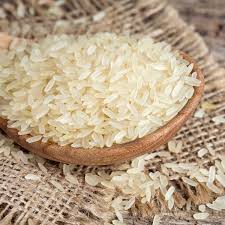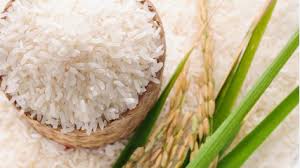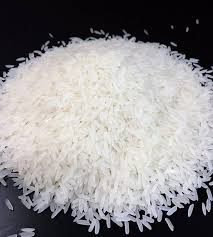


Jasmine Rice Nutrition: The Complete Guide From a Global Rice Production & Export Company (3000+ Words)
The name Jasmine Rice has become synonymous with quality rice, which is fragrant, soft, and sweet across the globe. For decades, jasmine rice has played a major role in homes, restaurants, and all varieties of food industries across continents. But apart from the captivating fragrance and delicate texture, jasmine rice has an impressive nutritional profile, making it highly desired as one of the most sought-after varieties of rice in the global food market. Jasmine Rice Nutrition
We are one of the leading companies producing and exporting rice, having been in business for several years now, supplying large quantities of jasmine rice and other top varieties to customers throughout the world, be they retailers, wholesalers, restaurants, or distributors. Take a tour with us through this enlightening post on everything you’d like to know about jasmine rice nutrition and health benefits, how it fares compared with other rice types, and why choosing a trusted supplier like us can mean quality and safety while bulk purchases become cost-effective. Jasmine Rice Nutrition
1. What’s So Special About Jasmine Rice?
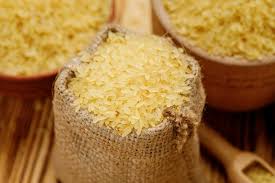
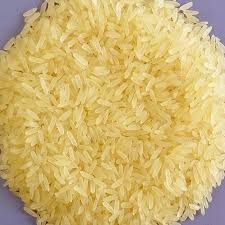
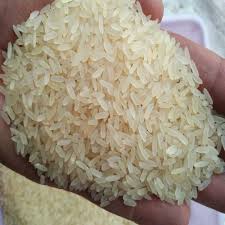
Jasmine rice is naturally aromatic rice grown in Thailand and, at times, referred to as Thai Hom Mali rice because its major component is known as 2-acetyl-1-pyrroline or, briefly put, 2AP. Its fragrance heightens upon cooking; maybe it fills kitchens with a warm, nutty floral scent. Jasmine Rice Nutrition
But jasmine rice is much more than its fragrance. Some of its major distinctive features are: Jasmine Rice Nutrition
- Smooth, slightly sticky to the bite
- Natural sweetness
- Various cuisines
- High demand in overseas markets
- Strong nutritional profile
- Long shelf-life, provided that appropriate storage conditions
- High-value export commodity
We export our rice to nearly every corner of the world. We manufacture and export a wide range of grades and types of packaging of jasmine rice, from 1 kg consumer packs up to 5 kg, 10 kg, 25 kg, and 50 kg bulk bags that wholesalers and food manufacturers need. Jasmine Rice Nutrition
2. Jasmine Rice Nutrition: A Complete Breakdown
Some of the major reasons why jasmine rice is consumed a lot globally relate to nutrition. The following is a critical review of the nutritional value of jasmine rice.
2.1 Calories
For every one cup of cooked jasmine rice, roughly 140g, the approximate energy content ranges from 190 to 205 calories. Therefore, jasmine rice is a good source of energy for any day’s dietary needs.
2.2 Carbohydrates
Jasmine rice contains:
- 38–45g serving size of carbohydrates
- Fast, consistent release of energy
- Readily digestible by people of all ages
As a result, besides restaurants, jasmine rice finds wide applications in schools and hospitals because it is light on the stomach and gives energy.
2.3 Protein
Jasmine rice contains:
- 4–5g protein per serving
Since it is not a complete source of protein, the food will complement a meal and balance it out when taken with vegetables, fish, chicken, or legumes.
2.4 Fat Content
By nature, this is a low-fat food:
- Less than 1g of fat per cup
Therefore, it is ideal for weight management and for low-fat diets. Jasmine Rice Nutrition
2.5 Fiber
White jasmine rice is a relatively good source of fibre; brown jasmine rice has even more: Jasmine Rice Nutrition
- White jasmine rice: 0.6–1.1g
- Brown jasmine rice: 2–3.5g
2.6 Vitamins
The key vitamins in Jasmine rice include: Jasmine Rice Nutrition
- Vitamin B1 (Thiamine)
- Vitamin B3 (Niacin)
- Vitamin B6
- Vitamin E
These vitamins participate in metabolic processes, brain functions, and immunity.
2.7 Minerals
Jasmine rice includes the following minerals:
- Manganese
- Phosphorus
- Magnesium
- Zinc
- Iron
Brown jasmine rice provides even more minerals.
2.8 Glycemic Index (GI)
White jasmine rice has a medium to high GI of 68–80, providing quick energy. For those conscious of blood sugar levels, brown jasmine rice is preferred as it has a lower GI and is richer in fiber.
3. Health Benefits of Jasmine Rice
Apart from the basic nutrition, jasmine rice offers the following health benefits:
3.1 Excellent Energy Booster
Being rich in carbohydrates and easily digestible, jasmine rice is ideal for:
- Outdoorsy folk
- Athletes
- Labour-intensive jobs
- People convalescing from illness
3.2 Mild to the Stomach
Jasmine rice is naturally gluten-free, ideal for individuals with:
- Gluten intolerance
- Celiac disease
- Digestive sensitivity
It is also gentle for elders and children.
3.3 Supports Heart Health
Jasmine rice is fat-free and cholesterol-free, making it heart-friendly, especially when paired with steamed vegetables and lean proteins.
3.4 Antioxidant Properties (Especially Brown Jasmine Rice)
Brown jasmine rice is packed with:
- Antioxidants
- Lignans
- Gamma-oryzanol
These nutrients reduce inflammation and oxidative stress.
3.5 Ideal for Weight Management
When eaten in moderation, jasmine rice helps with:
- Weight management
- Muscle building
- Balanced diets
4. Jasmine Rice Compared to Other Rice Types
Understanding how jasmine rice compares to other types helps buyers make informed choices.
4.1 Jasmine Rice vs. Basmati Rice
| Feature | Jasmine Rice | Basmati Rice |
|---|---|---|
| Texture | Soft, slightly sticky | Long, fluffy, not sticky |
| Aroma | Floral, buttery | Nutty, strong |
| Taste | Naturally sweet | Earthy |
| GI | Medium–high | Medium |
| Usage | Asian cuisine | Indian & Middle Eastern cuisine |
Both are high-quality, but jasmine rice is favored in many markets due to its soft, fragrant character.
4.2 Jasmine Rice vs. Long-Grain White Rice
Jasmine rice is shorter, more aromatic, and more flavorful than regular long-grain white rice.
4.3 Jasmine Rice vs. Brown Rice
Brown jasmine rice:
- Higher in fiber
- Lower GI
- More minerals
White jasmine rice:
- Softer
- Faster cooking
- More widely consumed
5. Why Jasmine Rice Is in High Demand Worldwide
Demand for jasmine rice has gradually increased at AA Global Rice for the following reasons:
5.1 Premium Quality & Aroma
Its flavor and presentation appeal to restaurants and household consumers.
5.2 Versatility Across Global Cuisines
Perfect for:
- Asian stir-fries
- Curries
- Pilaf
- Side dishes
- Fried rice
- Meal prep
5.3 Long Shelf Life
Suitable for wholesalers and exporters when stored properly.
5.4 Stable International Market
Jasmine rice is exported globally to the United States, Middle East, Europe, Africa, and Asia.
6. We Are Among the Leading Companies in Rice Production & Export
We are more than a supplier—we are a producer, processor, and exporter capable of handling global logistics.
We offer:
- Various grades of premium jasmine rice
- Bulk lots for wholesale
- Private label packaging
- Worldwide shipping
- Competitive export pricing
- Large order discounts
- Year-round availability
- Quality certificates
- Guaranteed purity and professional milling
7. Types of Jasmine Rice Sold by Us
We supply various grades to meet different market needs.
7.1 Thai Hom Mali Jasmine Rice 100%
Finest jasmine rice with superior aroma and purity.
7.2 Jasmine Rice 5% Broken
Affordable and popular among restaurants and retail markets.
7.3 Jasmine Rice 10% or 15% Broken
Excellent for wholesale and budget-friendly markets.
7.4 Brown Jasmine Rice
Ideal for health-conscious consumers.
7.5 Organic Jasmine Rice
Organic options available upon request.
8. Other Varieties of Rice We Produce & Export
Apart from jasmine rice, we also offer:
- Long-grain white rice
- Basmati rice
- Brown rice
- Parboiled rice (5%, 10%, 25%)
- Broken rice (25%, 50%, 100%)
- Medium-grain and short-grain rice
- Glutinous sticky rice
This allows customers to source multiple varieties from one supplier.
9. Why Choose Us as Your Jasmine Rice Supplier
✔ International export expertise
✔ Modern milling technology
✔ Strict quality control
✔ Wholesale discounts
✔ Flexible packaging (1kg–50kg, custom branding)
✔ Long-term supply partnerships
Suitable for:
- Importers
- Distributors
- Wholesalers
- Supermarkets
- Food factories
- Restaurants
10. How to Store Jasmine Rice for Maximum Freshness
Tips for storage:
- Keep rice in airtight containers.
- Store in a cool, dry place.
- Avoid exposure to sunlight.
- Bulk quantities should be kept in food-grade bags.
- Ensure warehouse pest control for large shipments.
11. How to Cook Jasmine Rice Perfectly
Ingredients:
- 1 cup jasmine rice
- 1.25–1.5 cups water
- Salt (optional)
Steps:
- Wash the rice once or twice.
- Add rice and water to a pot.
- Bring to a light boil.
- Cover and cook on low heat for 12–15 minutes.
- Let stand for 5 minutes before fluffing.
12. Jasmine Rice Nutrition Summary Table
| Nutrient | Per 1 Cup (Cooked) | Benefit |
|---|---|---|
| Calories | 190–205 | Energy |
| Carbohydrates | 38–45g | Fuel for the body |
| Protein | 4–5g | Muscle repair |
| Fat | <1g | Heart-healthy |
| Fibre | 0.6–3g | Digestion |
| Vitamins (B1, B3, B6) | — | Brain & metabolism |
| Minerals | Manganese, Magnesium | Bone & immune support |
13. Serving Industries Worldwide
We export jasmine rice to:
- United States
- UAE
- Saudi Arabia
- Qatar
- Kuwait
- Oman
- Bahrain
- Africa
- Europe
- Asia-Pacific
- Caribbean
We serve:
- Supermarkets
- Food distributors
- Restaurants & hotels
- Private label brands
- Importers & wholesalers
- Food factories
14. How to Order Jasmine Rice from Us
- Send your quantity requirement (MT or bags).
- Choose the grade and packaging.
- Receive a competitive quotation.
- Inspection and certification.
- Finalize contract.
- Shipping from our warehouse to your port.
Customers value our transparency and reliable communication.
15. Conclusion: Jasmine Rice Nutrition & Global Market Demand
If you are searching for a reliable global supplier of jasmine rice, we are ready to serve you.