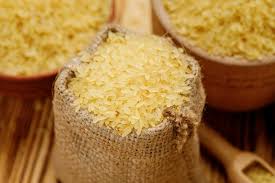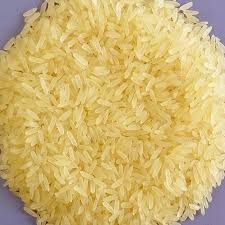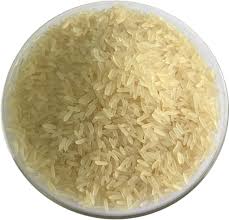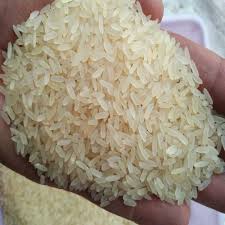


Long Grains of Jasmine Rice versus Basmati: An Ultimate Handbook for Importers in South America, North America, Latin America, and Worldwide
Introduction: Why Choosing the Right Rice Matters for Your Market
Di sektor industri beras, sudah tidak diragukan lagi bahwa tipe beras aromatik beras duon atau berass pendek adalah beras Jasmine dan Basmati. Seoman jual beras, apakah itu untuk supermarket, supplier, grosir, impor, restoran, atau merek tersendiri, penting untuk memilih beras yang tepat karena beras ini mempengaruhi tingkat kepuasan pelanggan dan profit suatu usaha. Long-Grain Jasmine Rice vs. Basmati
With expertise in rice production as well as export, we are involved in the export of the best quality Jasmine Basmati rice. Our strengths, as experts with our clients, include: Long-Grain Jasmine Rice vs. Basmati
x. CONSIST
Competitive Pricing with Discounts for Exports
Reliable logistics
Several types of rice that suit different requirements
This page will give you more information on the difference between Jasmine rice and Basmati rice, so that you can choose between them as per your requirements. Long-Grain Jasmine Rice vs. Basmati
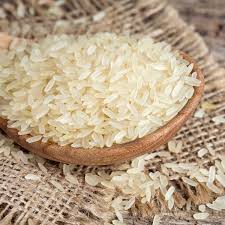
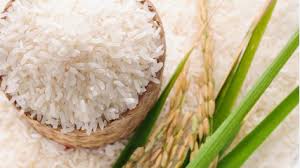
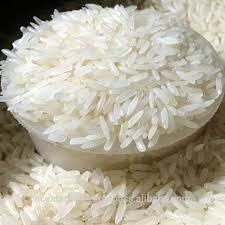
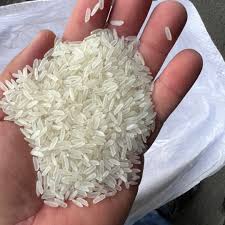
1. What Is Long Grains Jasmine Rice?
Long-grain Jasmine rice, found in Thailand and Cambodia, is especially prized for: Long-Grain Jasmine Rice vs. Basmati
✔ Natural flowers fragrance
✔ Having soft with slightly sticky consistencies
✔ Pearlescent shine or golden color in highest quality breeds
✔ Long grain size (6.5–7 mm)
Its aroma is due to the chemical compound 2-Acetyl-1-pyrroline (2AP), which provides the unique aroma possessed by Jasmine rice. Long-Grain Jasmine Rice vs. Basmati
What Importers Like About Jasmine Rice
- Ideal for home use
- It’s really well-suited for Latin cuisine that requires soft, fluffy rice
- Demand within grocery stores
- Nations such as Chile, Peru, Colombia, Panama, Mexico, the U.S., and the Caribbean import a huge amount of Jasmine rice due to its softness and aroma. Long-Grain Jasmine Rice vs. Basmati
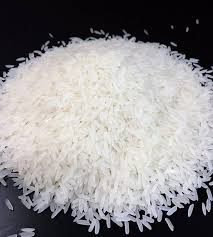
2. What Is Basmati Rice?
Basmati rice, commonly found in Indian and Pakistani cuisine, boasts that it is the most lengthy grain of rice in the entire planet. Characteristics: Long-Grain Jasmine Rice vs. Basmati
✔ Very long, slender grains (7.5–8.5 mm, may be much longer)
✔ Signature nutty aroma
✔ Non-sticky, fluffy texture
✔ Exceptional extensibility (grains can stretch up to 2× size after being cooked)
Premium varieties like 1121 Basmati or Super Kernel Basmati are preferred for their length.
Why Importers Choose Basmati
- Super rice with higher costs of purchases
- Typically found in gourmet grocery stores
- Used in pilaf, biryani, upscale cuisine
- High repeat-purchase satisfaction
Basmati rice is considered a luxurious product in America, Canada, and quality grocery stores in South America. Long-Grain Jasmine Rice vs. Basmati
3. Jasmine vs. Basmati: Quick Comparison
Helping you in selecting the right product, this quick comparison will offer some assistance:
| Feature | Jasmine Rice | Basmati Rice |
|---|---|---|
| Countries of Origin | Thailand, Cambodia | India, Pakistan |
| Grain Length | Medium-long | Long |
| Texture | Soft, slightly sticky | Fluffy, non-sticky |
| Aroma | Floral | Nutty |
| Cooking Style | Softens in water | Expands in length, retains shape |
| Ideal For | Normal meals, Latin dishes | High-class meals, biryani |
| Price Range | More budget-friendly | Higher |
What Rice Would You Like To Import?
- Want affordability + high demand? → Choose Jasmine
- Want exotic markets + fine dining restaurants? → Choose Basmati
- Want both? Many importers do—this maximizes their coverage. Long-Grain Jasmine Rice vs. Basmati
4. Market Demand in South America, North America & Latin America
North America (USA + Canada)
- Strong demand for Basmati in ethnic, organic, and gourmet channels
- Jasmine rice widely used in Asian, Caribbean, and American cuisine
- Supermarkets like bulk packages and private label options
- Buyers appreciate consistent quality
South America
- Countries like Chile, Brazil, Argentina, Peru, and Colombia import large quantities of Jasmine Long-Grain Jasmine Rice vs. Basmati
- Jasmine used widely in residential, hotel, and restaurant sectors
- Gourmet demand for Basmati is rising
- Attractive packaging increases sales
Central America & Latin America
- Strong preference for Jasmine
- Wholesale orders for grocery stores, food service, and distributors
- Price sensitivity: suppliers with discounts perform better
We cater to all three regions with customized packaging and flexible quantities.
5. Why Importers Choose Us as Their Rice Supplier
We are not only a trading house—we also run a rice production export concern. This ensures:
✔ Direct-from-mill pricing (No middlemen)
✔ Northeast Georgia farms annually inspected
✔ Mass production facilities
✔ Worldwide shipping with documentation assistance
✔ Discounts for long-term or container purchases
Packaging Options We Offer
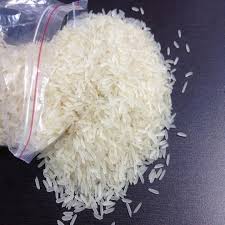
1 kg, 2 kg, 5 kg, 10 kg, 20 kg, 55 lbs, 50 kg,
CI (Private Label)
Suitable for distributors, supermarket chains, importers, restaurants, and wholesalers. Long-Grain Jasmine Rice vs. Basmati
6. Other Rice Varieties We Export
✔ Long grain white rice (5% / 10% / 25% / 100% broken) Long-Grain Jasmine Rice vs. Basmati
✔ Medium-grain rice
✔ Short-grain rice
✔ Parboiled rice (IR64)
✔ Brown rice
✔ Organic long grains
✔ Specialty aromatic varieties
7. Price Comparison: Jasmine versus Basmati
(Prices depend on season and shipping destination.)
Jasmine Rice Price Range
- Affordable
- Practical for mass retail markets
Basmati Rice Price Range
- Premium
- Higher profit margins per unit
- Preferred for premium segments
We offer bulk discounts, contract pricing, and fixed-term supply agreements.
8. Packaging & Quality for International Export
✔ Moisture control
✔ Sortex cleaning
✔ Grain consistency testing
✔ Long-lasting fragrance
✔ HACCP, ISO, food safety certificates
Additional support:
Premium export bags, fumigation, container loading control, real-time shipping updates.
9. How to Decide Which Rice Is Best for Your Business
Prefer Jasmine Rice if your clientele includes:
- Soft, fragrant rice dishes
- Affordable product lines
- Supermarket essentials
Prefer Basmati Rice if your clientele includes:
- Extra-long premium grains
- Gourmet restaurants
- Specialty high-value foods
Importers often order both types to diversify their portfolio.
10. Why You Can Trust Us as a Rice Export Partner
Our law firm offers:
✔ Affordable cost
✔ Rapid processing speed
✔ Multiple rice types
✔ Custom branding
✔ Worldwide export abilities
✔ Shipping company partnerships
We supply clients across North America, South America, and Latin America with year-round shipments.
11. Final Recommendation for Importers
Whether you’re starting out or expanding:
- Start with Deluxe Jasmine rice for mainstream market demand
- Add Basmati rice for higher margins
- Expand your range for product diversification
- Use our bulk discounts and private label options
We are ready to support your importing needs with guaranteed supplies, favorable prices, and top-quality rice.
Conclusion
Whether your customers prefer the soft, floral, fragrant qualities of Jasmine rice, or the elegant, long, fluffy texture of Basmati rice, offering both will give you the widest market coverage.