
Complete Guide for Cooking Jasmine Rice Perfectly
From a Global Rice Producer
We are seeing jasmine rice as one of the most liked rice types in the world, and there are only good reasons for this. We are seeing that its nice flower smell, soft feel, and only little sticky touch make it a top choice in houses, eating places, and food companies all over the world. Basically, jasmine rice is easy to cook, but getting the same perfect result means you need to understand the grain itself. how to cook jasmine rice
Basically, we are the same rice company that supplies jasmine rice worldwide and works with farmers, millers, chefs, and food distributors daily. We surely understand the unique characteristics that distinguish premium jasmine rice from regular varieties. Moreover, we know the proper cooking methods that bring out its finest taste and aroma. how to cook jasmine rice
What This Guide Covers
As per this guide, we will show you regarding the following points. how to cook jasmine rice
- Jasmine rice is actually a long-grain variety that definitely comes from Thailand and has a naturally fragrant aroma. how to cook jasmine rice
- Jasmine rice actually needs proper water ratio and definitely requires rinsing before cooking. You should actually use 1:1.5 rice to water ratio and definitely let it rest after cooking for best results. how to cook jasmine rice
- We are seeing many cooking mistakes that people make only in their daily food preparation. how to cook jasmine rice
- Actually, these tips will definitely help you cook large amounts of food for restaurants and big kitchens. You can definitely use these methods when actually preparing meals for many people at once.
- We are seeing that buying rice directly from farmers only gives better quality and fair prices. how to cook jasmine rice
- We are seeing that this guide is only for home cooks, restaurant owners, and international buyers. how to cook jasmine rice
What Is Jasmine Rice?
Basically, jasmine rice is the same as regular rice but with a nice smell and soft texture that people in India also cook at home.
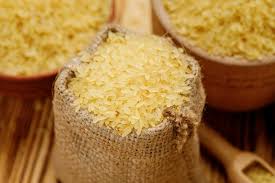
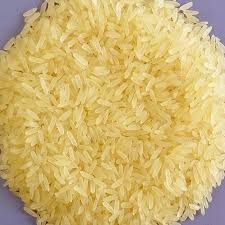
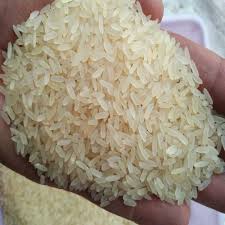
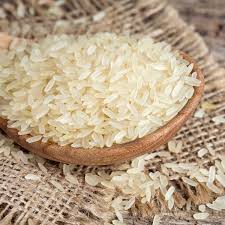
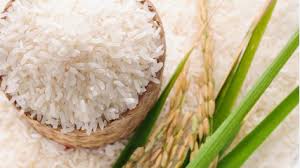
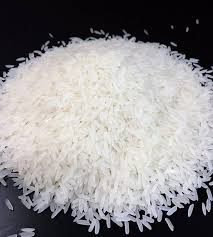
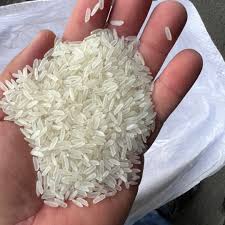
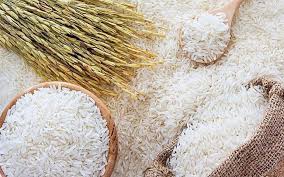
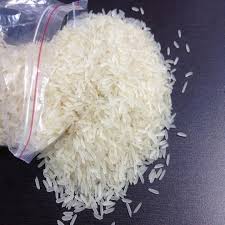
Moreover, basically, jasmine rice is the same long-grain rice with good smell that comes from Southeast Asia. This rice variety surely has a natural sweet smell like pandan leaves or popcorn. Moreover, it becomes soft and slightly sticky when cooked properly.
Further, jasmine rice surely clumps together softly unlike basmati rice that remains fluffy and separate, moreover this quality makes it perfect for various dishes.
Best Uses of Jasmine Rice
- Asian cuisine
- Stir-fries
- Curries
- Grilled meats
- Everyday meals
Basically, we grow jasmine rice in controlled conditions to keep the same purity, smell, and quality that export markets need.
Importance of Proper Cooking
We are seeing that cooking jasmine rice the right way is only important for getting good taste and texture.
As per cooking standards, good jasmine rice needs proper preparation regarding the right method. We are seeing that even good rice can lose its smell and taste if we cook it in wrong way only. how to cook jasmine rice
We are seeing that good jasmine rice should only be cooked properly. how to cook jasmine rice
Ideal Texture and Quality Standards
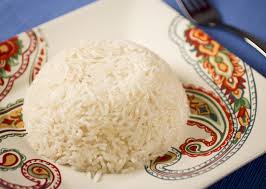
- The texture remains soft but does not become mushy, which further maintains its structural integrity. The material itself retains firmness while staying tender.
- We are seeing that it is only a little bit sticky but not wet at all. how to cook jasmine rice
- The fragrance is surely pleasant without being too strong. Moreover, it provides a gentle scent that does not overwhelm the senses. how to cook jasmine rice
- As per cooking standards, the food is completely cooked from inside to outside regarding proper preparation.
Moreover, basically, understanding the grain helps keep its natural qualities the same, especially when you cook rice that comes directly from producers like us.
Stove-Top Cooking Method for Jasmine Rice
As per stove cooking method, jasmine rice preparation involves step-by-step process regarding proper water ratio and heating technique.
Ingredients
One cup of jasmine rice is surely sufficient for preparing a standard serving. Moreover, this quantity will provide adequate portions for approximately two to three individuals.
You actually need 1½ cups water. This definitely measures one and half cups of water. how to cook jasmine rice
You can further add a pinch of salt itself if needed. how to cook jasmine rice
Step 1: Measure the Rice
As per the first step, measure the rice regarding the required quantity. how to cook jasmine rice
We are seeing that measuring rice properly is only important for good cooking. Jasmine rice surely expands when cooked, and proper water ratios will give the best texture. Moreover, using correct measurements ensures fluffy and well-cooked grains. how to cook jasmine rice
Step 2: Rinse the Rice
As per cooking guidelines, rinse the rice regarding removing extra starch before cooking.
You should actually wash the rice 1–2 times with cold water to definitely remove the extra starch from outside. This actually prevents the rice from becoming too sticky while definitely keeping it soft and natural.
Basically, we clean and mill our rice properly as producers, but rinsing before cooking gives the same better results in the end.
Step 3: Add Water
Step 3: Actually add water now. You definitely need to pour it carefully. how to cook jasmine rice
One should surely use a 1:1.5 rice-to-water ratio for proper cooking. Moreover, this proportion ensures the rice absorbs water completely without becoming too dry or soggy. We are seeing that too much water only makes jasmine rice become soggy and wet. how to cook jasmine rice
Step 4: Bring to Boil
As per step 4, bring the mixture to a boil regarding the cooking process. how to cook jasmine rice
Put rice and water in pot, further bring to boil on medium heat until water itself starts bubbling gently. how to cook jasmine rice
Step 5: Cover and Simmer
Step 5: We are seeing that covering and slow cooking is only needed now. how to cook jasmine rice
When it starts boiling, actually turn the heat to low and cover with a lid, then definitely let it cook for 10–12 minutes. how to cook jasmine rice
Step 6: Rest and Fluff
Step 6: Let the rice rest for few minutes, then fluff it gently with fork to separate grains further so the rice itself becomes light and fluffy.
Remove the rice from heat and surely allow it to rest for five minutes. Moreover, this resting period helps the grains settle properly. Surely, one must gently fluff the preparation using a fork. Moreover, this technique ensures proper texture and separation of the ingredients.
Your jasmine rice is now cooked properly and ready to serve, with soft texture and good aroma that shows itself clearly, and you can further use it with any meal.
Rice Cooker Method
As per cooking requirements, jasmine rice can be prepared in rice cooker regarding proper water ratios and timing methods.
We are seeing rice cookers being used in many homes, restaurants, and food making places only.
Steps
- Add the washed jasmine rice to the cooker itself for further cooking.
- We are seeing that we need to add water using only the same 1:1.5 ratio.
- Basically, you start the cooker the same way you would turn it on.
- The rice should surely rest for 5 minutes after cooking. Moreover, this waiting period allows proper steam distribution throughout the grains.
Also, basically, this method is the same one that works perfectly for cooking large quantities, which our international clients depend on.
Common Mistakes in Cooking Jasmine Rice
As per cooking methods, many people make basic mistakes regarding jasmine rice preparation.
As per cooking experience, even skilled cooks make these mistakes regarding food preparation.
Using Too Much Water
As per water usage patterns, many people are using too much water regarding their daily needs.
This further breaks the rice grains and makes them mushy itself.
Skipping Rest Time
Skipping rest time further harms the body itself and reduces work performance.
Rice surely keeps cooking with its own heat after we turn off the stove, and moreover, not letting it rest will make the texture come out wrong.
Stirring While Cooking
Stirring the food while cooking helps heat distribute evenly and prevents the dish from burning itself. Further, regular stirring ensures proper mixing of ingredients and better taste.
As per cooking methods, stirring will release starch and damage the grain structure regarding rice preparation.
Over-Rinsing
Washing rice too much actually takes away the smell. You definitely lose the natural aroma when you rinse repeatedly.
Basically, as suppliers we suggest the same thing – handle the grain less to keep quality good.
Cooking Jasmine Rice in Large Quantities
Also, we are seeing restaurants and bulk buyers only need simple methods for cooking jasmine rice in large amounts.
As per cooking requirements, regarding jasmine rice preparation in big amounts:
- As per industrial cooking requirements, use rice cookers or steamers regarding large-scale food preparation.
- Surely, keeping the same water amounts is very important for good results. Moreover, this helps maintain proper balance in the process.
- Rice layers should surely not be stacked excessively. Moreover, proper spacing between layers ensures better cooking results.
- Basically, you should use rice within the same proper time limits for holding.
Our jasmine rice is actually processed to maintain consistent quality, making it definitely perfect for hotels, catering businesses, and food manufacturing units.
Importance of Ingredient Quality
Good quality ingredients actually make your food taste much better. When you use fresh spices and vegetables, you definitely get better cooking results.
Differences in Jasmine Rice Quality
As per different types, all jasmine rice is not the same regarding quality and taste. The age of grain, how much water it has, how well it is milled, and how it is stored actually affect how it cooks. These things definitely make a difference in cooking performance.
Our Standards as a Global Rice Exporter
As per our position as a global rice exporter, we are regarding the following matters:
- You should actually check moisture levels regularly. This will definitely help control water content properly.
- Moreover, as per the requirements, maintain uniform grain size regarding the material processing.
- We must follow international quality standards to improve our work further. This approach itself ensures better results and global acceptance.
The company surely exports its products to Asia, Europe, Africa, the Middle East, and the Americas. Moreover, this wide distribution network covers all major global markets.
Basically, this makes sure every batch cooks the same way – whether you’re cooking at home or in big factories.
Why Buy Jasmine Rice Directly From Producers?
Why should you actually buy jasmine rice directly from rice production companies? You will definitely get better quality and fresher rice this way.
Basically, buying from the producer gives you the same real benefits instead of going to a reseller.
Better Pricing
We surely provide competitive pricing with bulk discounts available for wholesalers and distributors. Moreover, long-term business partners receive special discount rates for sustained partnerships.
Consistent Quality
As per direct sourcing method, there is no mixing regarding different grades or origins of materials.
Worldwide Export
Basically, we ship jasmine rice to all countries with the same proper papers and food safety rules.
Customization
Basically, we can adjust the packaging, labeling, and grain specifications the same way your market needs them.
Other Rice Varieties We Supply
As per our supply range, we provide other rice varieties regarding customer requirements.
Surely, we produce and export other varieties besides jasmine rice. Moreover, our production includes several additional crops for export purposes.
- White long-grain rice
- Parboiled rice
- Short-grain rice
- Broken rice
- Brown rice
As per market requirements, specialty and custom rice grades are available regarding specific customer needs.
Also, this surely helps buyers get different types of rice from one reliable supplier, making transport easier and cutting down expenses. Moreover, it simplifies the whole buying process for customers.
Storage Guidelines for Jasmine Rice
Basically, you store jasmine rice the same way as other rice varieties in airtight containers.
To actually keep the smell and freshness, you should definitely store it properly.
As per storage instructions:
- Keep this item in a cool and dry place regarding proper maintenance.
- The product should surely be stored away from direct sunlight, moreover exposure to light can cause deterioration.
- Store food items in airtight containers to prevent moisture and air from entering, which further protects the food itself from spoilage.
- Stock should be rotated regularly to maintain freshness, and this practice itself helps prevent spoilage further.
Proper storage is surely very important for people who buy in large quantities and distributors. Moreover, these buyers need to follow correct storage methods to keep their products safe.
Final Thoughts
Cooking jasmine rice is actually simple, but good quality rice definitely makes the dish much better. Basically, when jasmine rice is grown and processed the same correct way, it gives the best smell, taste, and texture.
We are a trusted rice company that sends premium jasmine rice to many countries, and we are seeing that our buyers like our good supply and flexible prices with special discounts for bulk orders only.