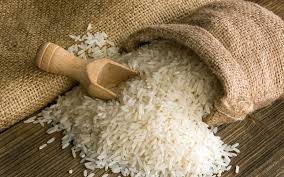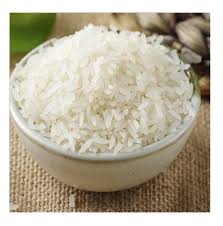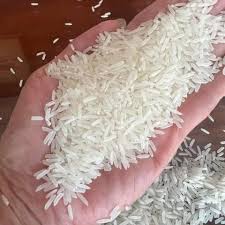


How to Store Jasmine Rice: A Complete Guide by a Global Rice Producer & Exporter
As one of the leading companies in rice production and export, supplying high-quality jasmine rice to many markets around the world, we believe that quality does not end when the rice leaves our factory. Proper storing methods are therefore very fundamental in maintaining freshness, aroma, and naturally soft texture of jasmine rice loved by so many people. How to Store Jasmine Rice
Whether a home consumer, a retailer, a restaurant, or a bulk buyer, learning how to store jasmine rice properly will protect your investment and preserve the premium quality that you are paying for. We supply both wholesale and retail quantities of jasmine rice, as well as other varieties at competitive pricing with special discounts, and we want to help all customers achieve the longest life and best performance with our products. How to Store Jasmine Rice
This tutorial will cover everything from packaging tips and environmental conditions to long-term storage solutions and common mistakes to avoid while storing jasmine rice. By the time you’re through with this tutorial, you won’t just know how to preserve your rice like a professional, but you’ll also understand the standards we follow here as a global rice producer committed to quality, freshness, and customer satisfaction. How to Store Jasmine Rice
1. Why Proper Storage Matters—Especially for Jasmine Rice
Jasmine rice is considered to be one of the most premium kinds of rice that exists in this world, owing to its gentle floral aroma and soft, sticky texture. Being a sensitive variety, good storage is needed to preserve it: How to Store Jasmine Rice
- Aroma: Jasmine rice contains naturally aromatic compounds like 2-acetyl-1-pyrroline. These will evaporate due to poor storage. How to Store Jasmine Rice
- Texture: turns lumpy or spoiled or develops mold when exposed to moisture. How to Store Jasmine Rice
- Freshness: Oxygen, humidity, and heat shorten shelf life.
- Flavor: The intrinsically mild and sweet flavor of jasmine rice can be changed by poor storage. How to Store Jasmine Rice
Being a manufacturer, polisher, processor, and exporter of jasmine rice worldwide, we proudly make sure every grain reaches you fresh. But once it does, storing practices determine how long you can preserve this premium quality. How to Store Jasmine Rice
The following guide shall assist in storing jasmine rice in the same way professional suppliers and exporters would store it, helping it to last longer and also taste better. How to Store Jasmine Rice
2. Understanding the Shelf Life of Jasmine Rice
White Jasmine Rice
- Shelf life: Up to 4–5 years if stored properly
- Highly stable since the bran and germ have been removed
Brown Jasmine Rice
- Shelf life: 6–12 months
- Contains natural oils present in the bran layer that oxidize over time
- Needs special storage care – cool temperature, airtight container
Being a rice-producing company, we label all our bags with the recommended conditions for storage. Now, let’s take a closer look at what these ideal conditions should be.
3. Optimal Storage Conditions for Jasmine Rice
Jasmine rice can be stored best if the surrounding atmosphere is maintained at the following conditions: How to Store Jasmine Rice
1. Cool Temperature: 15–25°C / 59–77°F
- High temperatures accelerate spoilage and aromatic loss.
- Avoid placing rice near ovens, stoves, or any other appliance that may produce heat. How to Store Jasmine Rice
2. Low Humidity
Humidity is the rice’s greatest enemy. Too much moisture creates:
- mold growth
- clumping
- bacterial contamination
Because of this, all the rice that we export is kept in climate-controlled warehouses. How to Store Jasmine Rice
3. No Direct Sunlight
- UV exposure hurts the grains and reduces the aroma.
- Cabinets, shelves, or storerooms are ideal—if humidity is low.
4. Away From Strong Smells
Rice absorbs odors very easily. Keep it away from:
- spices
- onions
- cleaning products
- fish or dried foods
Odor-proof packaging is used for export; proper home storage is important after opening.
4. How to Store Jasmine Rice for Daily Use
For 1–6 months of frequent cooking:
Use Airtight Containers
We recommend:
- food-grade plastic containers
- glass jars
- stainless steel containers
- resealable heavy-duty bags
It blocks humidity, pests, and odors.
Use Small Containers
Packing rice into smaller containers helps with handling and cooking.
Store in a Cool, Dark Cabinet
Dry, cool kitchen cabinets are ideal.
5. How to Store Jasmine Rice for Long-Term Use (1–5 Years)
For bulk purchases (25 kg, 50 kg, 100 kg):
1. Vacuum-Sealed Bags
Removes oxygen and preserves aroma and texture.
2. Mylar Bags with Oxygen Absorbers
Best for 3–5 years.
Benefits:
- blocks light
- prevents oxidation
- keeps out moisture
- avoids insect infestation
3. Food-Grade Plastic Drums
Protects against:
- rodents
- humidity
- temperature fluctuations
4. Freeze the Rice
Freezing for 48–72 hours kills natural insect eggs. Recommended for bulk buyers.
6. How We Package Jasmine Rice as an Exporter
We export jasmine rice to wholesalers, supermarkets, restaurants, and importers worldwide. Our packaging meets international export standards.
Packaging Options
- 1 kg retail bags
- 2 kg / 5 kg premium bags
- 10 kg / 20 kg family bags
- 25 kg / 50 kg export sacks
- Custom private-label packaging
Packaging Materials
- multi-layer plastic
- water-resistant sacks
- vacuum-sealed retail packs
- woven polypropylene bags
Each package protects against:
- moisture
- heat
- odor absorption
- pests
- transit damage
7. Common Storage Mistakes to Avoid
⚠ Leaving the bag open – allows humidity and insects inside.
⚠ Storing spices next to rice – rice absorbs odors quickly.
⚠ Keeping rice near heat sources – heat damages aroma.
⚠ Using thin plastic carrier bags – they do not block moisture.
⚠ Long-term storage of brown jasmine rice at room temperature – oils can go rancid.
8. How to Tell If Jasmine Rice Has Gone Bad
Signs of spoiled rice:
- mouldy or sour smell
- discoloration (yellow, gray, brown spots)
- insects inside
- clumping or sticky grains before cooking
- greasy or foul smell (brown rice)
If you notice any of these, discard the rice.
9. Buying in Bulk? Why Proper Storage Saves Money
Bulk buyers enjoy:
- discount prices
- wholesale pricing
- worldwide shipping
- custom packaging
Proper storage ensures:
- lower cost per kg
- long-term use
- protection against price fluctuations
- guaranteed freshness
Useful for:
- retailers
- hotels
- restaurants
- distributors
- large families
10. Why Buy Jasmine Rice From Our Company?
We are a world leader in rice production and export.
We Produce Our Rice Ourselves
Our factories handle:
- drying
- milling
- polishing
- quality selection
- packaging
We Export Worldwide
To:
- Africa
- Middle East
- Europe
- USA
- Asia
- Caribbean
- Oceania
Wholesale & Bulk Discounts
Available for:
- 20-foot containers
- 40-foot containers
- multi-ton orders
We Sell Many Rice Types
- jasmine rice
- long grain rice
- parboiled rice
- basmati rice
- broken rice (5%, 25%, 100%)
- glutinous rice
- brown jasmine rice
- medium grain rice
Mixed containers & special assortments accepted.
Custom Branding & Private Label
We package for many supermarket brands.
Quality Guarantees
All rice is:
- laboratory tested
- moisture-controlled
- impurity-free
- securely packaged
11. Final Tips for Storing Jasmine Rice
To keep jasmine rice fresh, fragrant, and long-lasting:
- ✔ Keep it dry
- ✔ Keep it cool
- ✔ Keep it airtight
- ✔ Keep it away from sunlight
- ✔ Keep it away from strong smells
Follow these professional storage techniques to maintain freshness from factory to kitchen.