Description
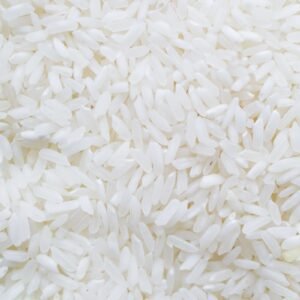
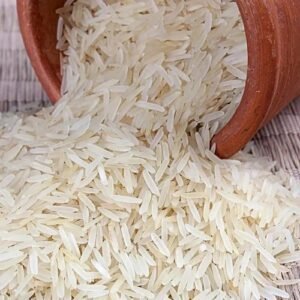
White Rice for sale is the product most of our new accounts start with, mainly because it’s the rice everyone already knows how to sell. DThai Company Limited mills and polishes it from paddy grown across the northern plains of Thailand, and we run it through sortex cleaning so the finished grain is uniform, low in broken kernels, and consistent from the first bag of a container to the last.
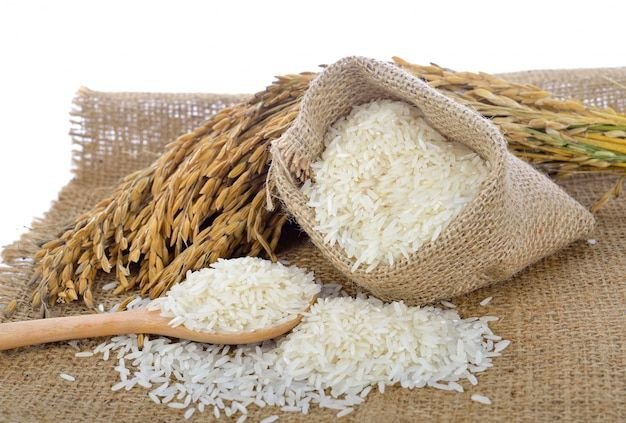
There’s not much romance to white rice as a product. It’s a commodity, and buyers judge it almost entirely on spec, price, and reliability. That’s fine with us. It’s also the SKU we’ve had the longest to get right.
Specifications for This White Rice for Sale
- Type: Fully milled, polished long grain white rice
- Broken grade: 5% broken, also available at 10%, 15%, or 25% broken on request
- Moisture: 14% max
- Admixture: 0.2% max
- Milling: Well-milled, double polished, sortex-cleaned
- Crop: Current season
- Shelf life: 12 to 18 months
- Packing: 5kg, 25kg, 50kg bags, or 1,000kg jumbo bags; private label and custom bag printing available
- Loading: FCL preferred, LCL available for trial orders
Grades and Pricing
Broken percentage is the main lever on price. A 25% broken white rice costs meaningfully less than a 5% broken grade, and for some markets such as institutional catering, animal feed blending, or budget retail lines, the higher broken percentage is actually the better fit, not a downgrade. Tell us your end use and target price point and we’ll recommend the grade rather than just upselling you to the top spec.
Pairing With the Rest of the Catalog
Buyers who take white rice from us in volume often add Arborio Rice for sale as a specialty line for foodservice customers, or round out a private label range with Brown Rice for sale. Since it all ships from the same origin and mill, combining SKUs on one container is usually the most efficient way to order.
A Note on Standards
Thailand’s white rice grading follows standards set by the country’s own rice trade bodies, and internationally the variety is generally covered under the same long-grain milled rice classifications you’ll find on the Wikipedia page for white rice, if you want the general background before we get into the specific export documentation.
Where Our White Rice Ships
We’ve loaded containers headed to West Africa, the Middle East, the Caribbean, and Southeast Asia in the past year alone, and the specification doesn’t change based on destination, only the packaging sometimes does. Some ports want plain PP bags, others want printed bags with a specific net weight declaration in a local language, and we can accommodate either. If you’re new to importing rice and unsure what your customs process actually requires, tell us the destination country and we can usually tell you from experience what’s standard there.
A Short History of White Rice for Sale Worldwide
Milled white rice has been the dominant form of rice traded internationally for well over a century, mainly because removing the bran and germ layer extends shelf life dramatically, which matters enormously once rice has to survive weeks at sea rather than being eaten close to where it’s grown. Thailand became one of the world’s largest rice exporters in the 20th century largely on the back of white rice, not specialty varieties, and that commodity trade is still the backbone of the country’s rice industry today. When most buyers search for White Rice for sale in bulk, they’re tapping into a trade route that’s been running at serious scale for generations.
Nutritional Profile
Per 100g cooked, white rice runs around 130 calories, with about 28g of carbohydrate and roughly 2.5g of protein, and very little fat or fiber since the bran layer is gone. It’s not the nutritional powerhouse our brown or black rice is, but it’s also easier to digest for some populations, cooks faster, and has a longer shelf life, which is exactly why it remains the highest-volume rice product in global trade despite brown rice’s nutritional edge.
How This White Rice Is Milled
After hulling, paddy goes through multiple milling passes to fully remove the bran and germ layer, followed by polishing and sortex optical sorting, which is the stage that actually pulls out discolored, broken, or foreign grains using camera-based sorting rather than manual inspection. This is the stage where broken percentage gets locked in, since the sorter can separate grain by size and export it at whichever broken grade a buyer orders, from a clean 5% broken down to a cheaper 25% broken blend.
White Rice vs. Other Rice We Sell
White rice is our baseline commodity product, the one every other line gets compared to on price and shelf life. Against Brown Rice, it wins on shelf life and cooking time but loses on nutrition. Against Arborio Rice, it’s a completely different use case, arborio’s starch profile is built for risotto, not for a daily rice side dish. Most buyers looking at White Rice for sale in real volume are running a general foodservice or retail operation where reliability and price matter more than a specialty story.
Grading Standards, Explained
Broken percentage is the single biggest lever on price for white rice specifically, more so than on our other lines, because white rice buyers are typically ordering at a scale where a few dollars per tonne matters. 5% broken is considered premium retail grade, 10 to 15% is common for general foodservice, and 25% broken or higher usually goes to institutional catering, animal feed blending, or markets where price is the primary decision factor. None of these are lower quality rice exactly, they’re the same rice sorted differently, and matching the right grade to your actual use case is where we can usually save a buyer real money.
Where White Rice Gets Sold and Used
This is genuinely a global commodity. We’ve shipped white rice into West African staple food markets, Middle Eastern retail and catering channels, Caribbean import markets, and Southeast Asian trade routes, and the underlying product barely changes, it’s almost entirely about broken grade, packaging, and documentation matching what each destination market expects. If you’re new to sourcing White Rice for sale internationally, the packaging and paperwork requirements usually matter more than people expect going in.
Sustainability and Farming Practices
The paddies behind our white rice are the same smallholder, largely rain-fed operations as our other lines. Milling white rice does generate rice husk and bran as byproduct, and in our region that byproduct is generally sold on for animal feed, husk fuel, or rice bran oil production rather than discarded, so very little of the crop actually goes to waste even once it’s split across our different product lines.
Common Mistakes First-Time Buyers Make
The most common one is ordering the wrong broken grade for the end use, paying premium 5% broken pricing for a use case, animal feed blending, budget retail, where a 15 or 25% broken grade would perform identically and cost meaningfully less. The second is not confirming packaging requirements early; net weight declaration language and bag format vary by destination port, and finding this out after a container is loaded is expensive to fix. The third is treating all white rice suppliers as interchangeable on spec alone, two containers at the same broken percentage can still differ in cooking quality if one mill sorts more carefully than the other, which is exactly why a sample before a large order is worth the small delay.
Frequently Asked Questions, Continued
What broken percentage should I choose if I’m not sure?
For retail or foodservice resale, 5% broken is the safe default. For institutional catering, feed blending, or budget-focused retail, ask us about 15% or 25% broken and we’ll walk you through the real cost difference.
Do you offer parboiled white rice as well?
We carry a separate Parboiled Rice line for buyers specifically needing that processing method, since parboiling changes cooking behavior and nutrient retention compared to standard milled white rice.
Can I mix broken grades in the same container to save on freight?
Yes, this is common. Tell us your target blend and we can load multiple grades in one shipment rather than requiring separate containers per grade.
Packaging and Labeling Options in Detail
Standard packaging is 5kg, 25kg, and 50kg woven PP bags, with 1,000kg jumbo bags for bulk industrial buyers. Custom bag printing is available for private label orders, and we can match net weight declaration formatting to whatever your destination customs process requires, some markets want metric only, others want a dual metric and local-unit declaration. Because white rice is our highest-volume line, we generally hold more finished stock ready to ship than on our specialty lines, which usually means shorter lead time here than anywhere else in our catalog.
Freight, Loading, and Container Planning
A standard 20ft container holds roughly 24 to 27 tonnes of bagged white rice depending on bag size and stacking pattern, which is usually the reference point buyers use when planning order volume against their own storage capacity. We can load mixed pallets if you’re combining white rice with another line from our catalog in the same container, which is common for buyers who want to split risk across a couple of SKUs rather than committing a full container to one product. If your destination port has specific container or fumigation requirements, tell us before booking, some markets require methyl bromide fumigation certificates, others don’t, and getting this wrong after loading delays customs clearance on arrival.
A Final Note Before You Order
White rice looks like the simplest product in our catalog on paper, and in a lot of ways it is, but the commodity nature of it means small differences in sorting quality and consistency compound fast across a large order. That’s really the argument for buying White Rice for sale from a supplier who runs their own sortex line rather than a trader reselling someone else’s output, you’re paying for consistency you can actually verify with a sample, not just a spec sheet number.
Quality Control and Traceability
Every batch of white rice we export is traceable back to the mill lot it came from, and we log moisture readings, broken grain percentage, and cleaning runs for each shipment. If a buyer ever has a quality question on a container, we can pull the exact production data instead of guessing.
Why International Buyers Work With Us
We’re not a trading house reselling rice we’ve never seen. DThai Company Limited operates out of Chiang Rai, close to the mills and the paddies, which means we can answer questions about a specific crop, inspect a lot ourselves before it ships, and catch a quality issue before it becomes your problem. Buyers across West Africa, the Middle East, the Caribbean, and Southeast Asia keep reordering because the container that arrives matches the sample they approved, shipment after shipment.
Frequently Asked Questions
What broken grade of white rice should I order?
Depends on end use. Retail and foodservice usually want 5% broken. Institutional catering, feed blending, or budget retail often do fine with 15% or 25% broken at a lower cost.
What’s the minimum order?
One 20ft container FOB Thailand for the best pricing, with LCL available for smaller trial orders.
Do you ship white rice worldwide?
Yes, this is our highest-volume export line and we ship it to every region we serve.
Can you do custom or private label packaging?
Yes. Custom bag printing and net weight declarations for specific destination markets are something we handle regularly.
What to Ask Before You Commit to a Supplier
Any serious buyer sourcing White Rice for sale in volume should be asking a short list of questions before signing off on a first order: What crop year is this? Can you provide an independent lab certificate, not just your own spec sheet? What happens if the container arrives outside spec, is there a remediation process or are you on your own? Who’s actually milling this, are you the mill or a trader reselling someone else’s output? We’d answer all four of those honestly for any buyer evaluating us, and we’d suggest asking the same of any other supplier you’re comparing us against, since the answers tell you more about long-term reliability than a price quote does.
Rice Trade Terminology Worth Knowing
FOB means the price covers the rice loaded onto the vessel at a Thai port, with the buyer arranging and paying ocean freight from there. CIF means we arrange and include the ocean freight and insurance to your destination port, which is usually simpler for a first-time buyer even though the per-tonne price looks higher on paper. MOQ is minimum order quantity, one 20ft container for most of our White Rice for sale orders. LCL means less than a full container load, useful for smaller trial orders but generally more expensive per tonne than a full container. Knowing these terms before your first call with any supplier, not just us, makes the whole quoting process faster and reduces the chance of a misunderstanding on price.
Lead Times and Shipping
Once a deposit clears, we typically load and ship within 10 to 20 days, and since white rice is our highest-turnover line, we usually have finished stock ready rather than waiting on a fresh milling run. Transit time after that depends on your port, anywhere from a week for regional Asian routes to five or six weeks for the Americas. We’ll give you a realistic date up front rather than a placeholder one.
Ordering
Minimum order is one 20ft container FOB Thailand. Send your target broken percentage, destination port, and volume, and we’ll turn a quote around fast. This is white rice for sale from people who ship it every week, not occasionally.
We’ll also tell you honestly if a particular broken grade or bag size isn’t going to be cost-effective for your route, even if it means a smaller order than you first asked about. A buyer who reorders in six months is worth more to us than one who overpays once and doesn’t come back.
Reviews
There are no reviews yet.