Description
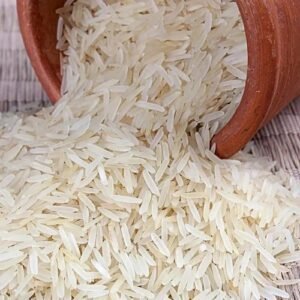
If you’re looking for Jasmine Rice for sale in real volume, not a 5kg bag from a supermarket shelf, you’ve landed in the right place. We’re DThai Company Limited, and we grow, mill, and pack Hom Mali jasmine rice out of Chiang Rai in northern Thailand, then ship it to buyers all over the world: distributors, restaurant groups, private label brands, and importers who need consistent quality every single container.
Jasmine rice isn’t hard to find. Finding a supplier who can actually hold spec, harvest after harvest, is the harder part. That’s the gap we fill.
What Makes This Jasmine Rice for Sale Different
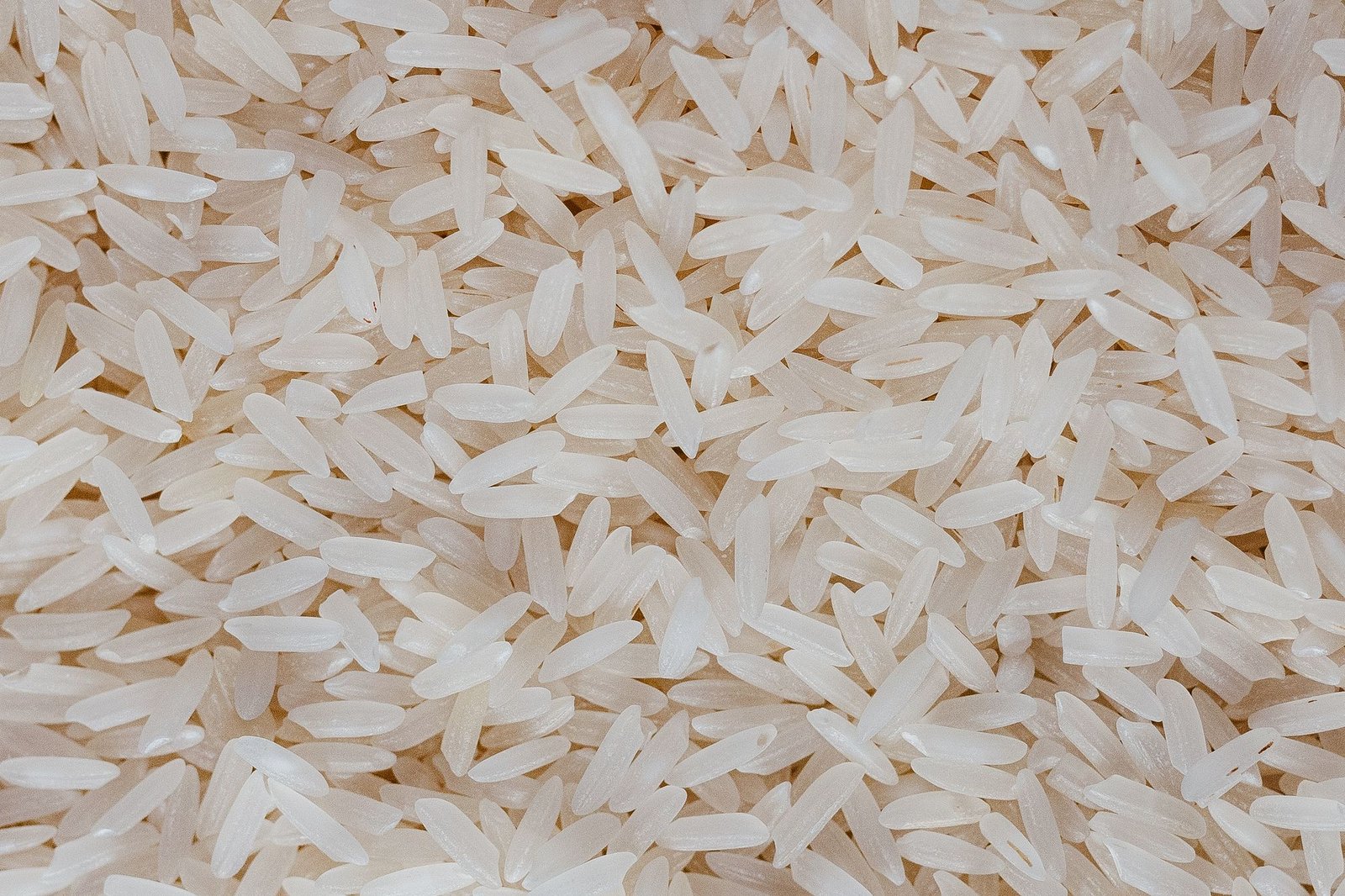
Real Thai jasmine rice has a natural pandan-like fragrance that fades fast once the grain is old or poorly stored. We mill close to harvest and move stock quickly, so the aroma and the soft, slightly sticky texture people expect from Hom Mali rice are still there when it lands on your dock. It’s grown without synthetic shortcuts on family-run paddies we’ve worked with for years, which is also why we’re comfortable calling it non-GMO without hedging.
Specifications
- Variety: Thai Hom Mali (Jasmine) Rice, long grain
- Moisture: 14% max
- Broken grains: 5% max (Premium Grade A)
- Admixture: 0.2% max
- Milling: Double-polished, sortex-cleaned
- Grain length: 6.8 to 7.2 mm average
- Crop: Current season, new harvest
- Shelf life: 12 to 18 months, stored dry and sealed
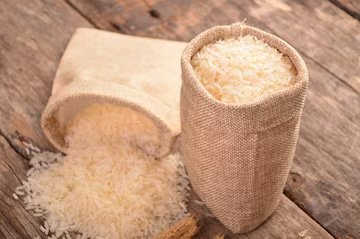
- Packing: 5kg, 25kg, 50kg PP or PP-laminated bags, or 1,000kg jumbo bags; private label and custom packaging available on request
- Loading: Container (FCL) or LCL for smaller orders
We can also send a pre-shipment sample and a certificate of analysis before you commit to a full container, which most of our long-term buyers ask for on the first order anyway.
Who Buys Jasmine Rice From Us
Most of our jasmine rice for sale goes to three kinds of buyers: wholesale food distributors restocking Asian grocery chains, restaurant supply companies, and private label brands who want their own bag design on a rice they didn’t have to grow themselves. We work in USD, quote FOB Bangkok or Laem Chabang by default, and can talk CIF pricing once we know your destination port.
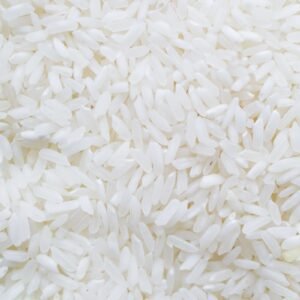
If you already carry White Rice for sale or Brown Rice for sale from us, jasmine rice is usually the easiest addition, same shipping lanes, same documentation, one more SKU on the container.
Cooking Notes Worth Passing to Your Customers
For anyone repackaging this under their own label, it’s worth noting jasmine rice cooks best at a 1:1.25 rice-to-water ratio and doesn’t need soaking. It’s the standard rice behind most Thai and Southeast Asian dishes, and it’s generally classified under the aromatic long-grain category alongside basmati, a distinction that matters if you’re writing your own packaging copy. For a deeper technical breakdown of the variety, the Wikipedia entry on jasmine rice is a decent starting point.
A Short History of Jasmine Rice for Sale Worldwide
Jasmine rice, or Hom Mali as it’s known in Thai, has been grown in the same river-fed lowlands of northern and northeastern Thailand for generations. Hom Mali translates roughly to fragrant jasmine flower, which tells you what mattered most to the farmers who bred it: the smell of the grain, not just the yield. Thailand didn’t start exporting it in serious volume until the 1960s and 70s, once shipping and milling infrastructure caught up with demand from expat Thai communities and, later, the broader Asian food trade in the US, Europe, and the Middle East. Today it’s one of the most traded rice varieties on earth, and the reason so many buyers specifically search for Jasmine Rice for sale rather than just rice is that the name itself has become shorthand for a specific aroma and texture people already know they want.
Nutritional Profile
Per 100g cooked, jasmine rice runs roughly 130 to 150 calories, with about 28 to 30g of carbohydrate, 2 to 3g of protein, and less than half a gram of fat. It’s not a significant fiber source in its white, milled form, that’s what our brown rice is for, but it does carry small amounts of thiamine, folate, and manganese, along with the trace aromatic compound behind that popcorn-like fragrance people associate with good jasmine rice. If a buyer wants harder nutritional data than that for a spec sheet or label, we’d point them to a proper lab analysis rather than a general estimate, and we can arrange third-party testing on request.
How This Jasmine Rice Is Grown and Milled
The paddies we source from around Chiang Rai run on a single main wet-season crop, planted around May and harvested October through December, which is standard for the region and part of why jasmine rice has a defined crop year rather than continuous harvest like some tropical rice varieties. After harvest, paddy is dried down to a safe moisture level, hulled to remove the husk, and then milled in stages, each pass removing a bit more bran until the grain reaches the polish level we sell at. We don’t over-polish. Stripping too much of the outer layer in pursuit of a whiter grain also strips aroma, and aroma is the entire point of this product, so our milling settings are tuned for fragrance retention over pure whiteness.
Jasmine Rice vs. Other Rice We Sell
The question we get most from new buyers is how jasmine compares to basmati, since both are aromatic long-grain rice and get grouped together in a lot of retail categorization. Basmati grains are longer and stay firmer and more separate after cooking; jasmine is shorter, softer, and clings together slightly, which is exactly what you want under a curry or alongside Thai food but isn’t what a biryani wants. If you’re deciding between stocking Jasmine Rice for sale or a basmati line, it usually comes down to what cuisine your customer base cooks. Compared to our own White Rice, jasmine costs more and has a shorter shelf life once milled, but it commands a real price premium on shelf because of the aroma, so the margin usually still works in a buyer’s favor.
Grading Standards, Explained
When we quote 5% broken max or 0.2% admixture, that’s not marketing language, it’s the actual grading terminology used across the international rice trade. Broken percentage measures how many grains snapped during milling; admixture measures foreign matter or off-variety grains mixed in. Lower numbers on both cost more to achieve because they require tighter sorting, which is why a 5% broken grade sits at a premium over a 25% broken grade. Moisture content matters just as much: too high and the rice risks mold or insect activity in transit, too low and you’re paying freight on air. 14% is the standard safe ceiling for export shipments moving by sea, and it’s exactly the kind of spec question we get constantly from buyers evaluating Jasmine Rice for sale from different suppliers.
Where Jasmine Rice Gets Sold and Used
Thailand exports several million tonnes of rice a year, and jasmine rice is consistently one of its highest-value categories by price per tonne, even though it’s not the highest by volume, that’s usually plain white or parboiled rice going to bulk staple markets. Jasmine rice tends to move into markets where there’s an existing Thai, Vietnamese, or broader Southeast Asian food culture, or into general grocery and foodservice channels where jasmine has simply become the default aromatic rice on the shelf next to basmati. That’s a big part of why demand for Jasmine Rice for sale keeps climbing outside of Asia specifically, not just within it.
Sustainability and Farming Practices
We’re not going to claim a certification we don’t hold, but the paddies we work with are smallholder, family-run operations rather than industrial monoculture, and Chiang Rai’s rainfall pattern means most of the crop is rain-fed rather than requiring heavy irrigation pumping. We don’t use synthetic pesticide programs on our jasmine rice paddies, which is also part of why we’re comfortable with the non-GMO claim. If a buyer needs formal sustainability documentation for their own retail compliance, tell us what standard you’re being asked to meet and we’ll tell you honestly whether we can support it.
Common Mistakes First-Time Buyers Make
The biggest one is ordering purely on price without asking what crop year the rice is from. Old-crop jasmine rice, anything sitting in a warehouse more than a year, loses aroma even if every other spec on the certificate checks out, and a supplier quoting an unusually low price is sometimes clearing old stock rather than offering a genuine deal. The second mistake is skipping the sample stage to save time. A five-minute cook test tells you more about aroma and texture than any spec sheet, and it’s a small delay against the size of a full container order. The third is not asking about packaging specifics early enough, net weight declarations, language requirements, and bag material all vary by destination, and finding out after a container is already loaded is a genuinely expensive way to learn that lesson.
Frequently Asked Questions, Continued
What’s the difference between Jasmine Rice for sale at 5% broken versus a cheaper broken grade?
Aroma and appearance mostly. A higher broken percentage still smells and cooks the same, it just has more fragmented grains, which matters for retail presentation but not for taste. If your end use is institutional or blended, the cheaper grade is often the smarter buy.
Can you supply a certificate confirming this is genuine Hom Mali jasmine rice and not a blended substitute?
Yes. We can provide a certificate of analysis and, on request, arrange third-party lab verification confirming the variety, which matters increasingly to buyers in markets that have dealt with mislabeled rice before.
How do I know the aroma will still be there when the container arrives?
Ask for a sample shipped the same way the container will travel, and store it the way you’d store the bulk order. If the sample still smells right after transit-length storage, the container will too.
Packaging and Labeling Options in Detail
We pack this jasmine rice in 5kg and 25kg woven PP bags as standard retail and foodservice sizes, 50kg bags for buyers running their own repackaging line, and 1,000kg jumbo bags for industrial or further-processing buyers who don’t need consumer-facing packaging at all. PP-laminated bags are available where moisture protection matters more, coastal climates or long transit routes mainly. For private label orders, we print your artwork directly on the bag rather than applying a sticker, which holds up better over a long shipping and storage cycle, and we can accommodate net weight declarations in the specific language and format your destination market’s customs office expects. Lead time on a first private label run is longer than a standard order since artwork needs approval before printing, so if branding is part of your plan, start that conversation early rather than after you’ve already locked in a ship date.
A Final Note Before You Order
Rice is one of those commodities where the spec sheet can look nearly identical between suppliers and the actual product still varies a lot. Two containers of 5% broken, 14% moisture jasmine rice can smell completely different once cooked, depending on crop age, storage conditions, and how carefully the mill actually held to spec rather than just printing a number on a certificate. That’s really the whole pitch behind buying Jasmine Rice for sale from us specifically: we’re close enough to the mills to actually stand behind what’s on the paperwork, and we’d rather lose a price-only comparison to a cheaper supplier than ship a container that doesn’t match the sample you approved.
Quality Control and Traceability
Every batch of jasmine rice we export is traceable back to the mill lot it came from, and we keep records of moisture readings, broken grain percentage, and cleaning runs for each shipment. If a buyer ever has a quality question on a container, we can pull the exact production data instead of guessing. It’s not glamorous work, but it’s the difference between a supplier you build a long-term relationship with and one you use once.
Why International Buyers Work With Us
We’re not a trading house reselling rice we’ve never seen. DThai Company Limited operates out of Chiang Rai, close to the mills and the paddies, which means we can answer questions about a specific crop, inspect a lot ourselves before it ships, and catch a quality issue before it becomes your problem. Buyers across West Africa, the Middle East, Europe, and North America keep reordering because the container that arrives matches the sample they approved, shipment after shipment.
Frequently Asked Questions
What’s the minimum order for this Jasmine Rice for sale?
One 20ft container FOB Thailand covers most orders, though we’ll sometimes work with smaller trial quantities for a new account testing the product first.
Do you ship jasmine rice worldwide?
Yes. We’ve shipped to buyers across West Africa, the Middle East, Europe, and North America in the past year, and pricing is quoted FOB or CIF depending on your destination port.
Can I get a sample before placing a bulk order?
Yes. We send a pre-shipment sample along with a certificate of analysis so you can check the grain, aroma, and moisture yourself before committing to a full container of jasmine rice.
Can you do custom or private label packaging?
Yes. We handle bag printing and custom packaging specs for buyers who want their own brand on a bag they didn’t have to design a supply chain for.
Lead Times and Shipping
Once a deposit clears, we typically load and ship within 10 to 20 days depending on how much of the crop needs milling versus how much is already sitting bagged and ready. Transit time on top of that depends entirely on your port, anywhere from a week for regional Asian routes to five or six weeks for the Americas. We’ll give you a realistic date up front rather than a placeholder one, and we’ll flag it immediately if anything slips.
Ordering
Minimum order is one 20ft container for FOB pricing, though we’ll sometimes accommodate smaller trial orders for new accounts. Send us your destination country and expected volume and we’ll get pricing back to you within a business day, no account minimums, no exclusivity contracts, just jasmine rice at a fair price that still makes sense once it’s on your shelf.
Payment and Documentation
We work with T/T (30% deposit, balance against shipping documents) as our standard for new accounts, and L/C for larger repeat orders once we’ve built a track record together. Every shipment comes with a certificate of origin, phytosanitary certificate, and fumigation certificate, and we can arrange third-party inspection (SGS or equivalent) if your import process requires it. None of this is unusual for anyone who’s bought rice internationally before, but we mention it because a supplier who can’t produce clean paperwork on a jasmine rice order is a bigger risk than a slightly higher price.
Reviews
There are no reviews yet.