
Description
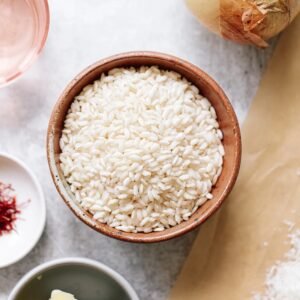
If you’re looking for Parboiled Rice for sale in bulk, this is our converted, par-cooked line, rice that’s been soaked, steamed, and dried before milling rather than milled straight from raw paddy. DThai Company Limited processes it at our facility near Chiang Rai, Thailand, and ships it to distributors, institutional buyers, and retail chains worldwide who need a rice that holds up to reheating, doesn’t turn mushy, and keeps more of its natural nutrients than fully milled white rice.
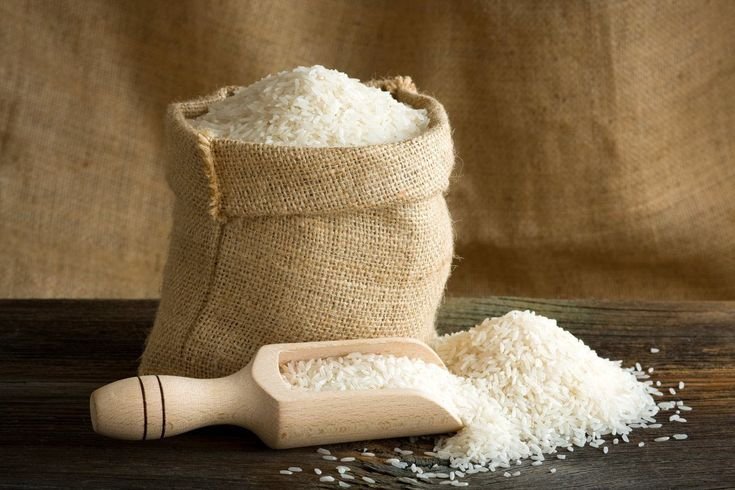
What Makes This Parboiled Rice for Sale Different
The parboiling process pushes nutrients from the bran layer into the grain itself before milling, which is why parboiled rice keeps more of its vitamin and mineral content than standard white rice even after the bran is removed. It also gelatinizes the starch, which is what gives cooked parboiled rice that firmer, separate texture, grains that resist clumping and hold up well through reheating, buffet service, or a second day in the fridge.
Specifications
- Variety: Long-grain parboiled paddy rice
- Moisture: 13% max
- Broken grains: 5% max, also available at 10% or 25% broken on request
- Admixture: 0.2% max
- Milling: Well-milled, sortex-cleaned
- Color: Characteristic light amber to golden tint from the parboiling process
- Crop: Current season
- Shelf life: 18 to 24 months, stored dry and sealed, longer than standard white rice
- Packing: 5kg, 25kg, 50kg PP bags, or 1,000kg jumbo bags; private label available
- Loading: FCL preferred, LCL available for trial orders
A Short History of Parboiled Rice for Sale Worldwide
Parboiling rice is an old technique, practiced in parts of South Asia for centuries before it became industrialized, and the method spread because it solved a real storage and nutrition problem long before refrigeration or fortification programs existed. The process locks in more nutrients and makes the grain more resistant to insect damage and breakage during milling, which mattered enormously in regions with long transport routes and hot, humid storage conditions. You can read more about the technique and its origins on Wikipedia’s parboiled rice entry, which covers the traditional and industrial methods in more depth than we can here.
Nutritional Profile
Per 100g cooked, parboiled rice runs close to 130 calories, with about 28g of carbohydrate and roughly 2.7g of protein, slightly higher in some B vitamins and minerals than standard white rice because of how the parboiling process pushes nutrients from the bran into the grain before milling. It’s still a milled rice nutritionally, not a substitute for brown rice, but it does retain more of its original nutrient profile than a straight-milled white rice.
How This Parboiled Rice Is Grown and Milled
We source paddy from the same growing region as our other lines, then run it through soaking, steaming, and drying before the hulling and milling stages, an extra process step that standard white or jasmine rice doesn’t go through. That parboiling stage is what gives the grain its characteristic light amber tint and firmer cooked texture, and it requires tighter process control than straight milling since uneven steaming shows up as inconsistent color and texture in the finished bag.
Parboiled Rice vs. Other Rice We Sell
Compared to our White Rice, this holds its shape far better after cooking and reheats without turning gummy, which is exactly why institutional kitchens and buffet-style foodservice tend to prefer it. Compared to our Long-Grain Rice, the flavor is slightly different, a bit nuttier, and the texture is noticeably firmer since the starch has already been gelatinized once during processing. Buyers sourcing Parboiled Rice for sale are usually doing so specifically because of that reheating and holding performance, not as a general substitute for other lines in our catalog.
Grading Standards, Explained
The same terminology applies here as across our commodity rice: broken percentage, admixture, and moisture content against standard export thresholds. Color consistency is an additional grading factor specific to parboiled rice, since uneven parboiling shows up as a mottled or inconsistent batch, which buyers reasonably read as a processing quality issue.
Where Parboiled Rice Gets Sold and Used
This line moves heavily into institutional catering, school and hospital food service, and retail markets in regions with a strong parboiled rice tradition, including South Asia, West Africa, and parts of the Caribbean and Middle East. Demand for Parboiled Rice for sale tends to track institutional and government procurement volume as much as retail demand, since the holding and reheating performance matters enormously for large-scale food service operations.
Sustainability and Farming Practices
The paddies behind this line are the same smallholder, largely rain-fed operations supplying our other rice. The parboiling process itself uses water and energy for the steaming stage, and we’ve worked to keep that process efficient rather than wasteful, since water use is a real cost and sustainability factor specific to this product that our straight-milled lines don’t carry.
Common Mistakes First-Time Buyers Make
The most common mistake is assuming parboiled rice cooks the same way as regular white rice, it doesn’t, it typically needs slightly more water and a longer cook time since the starch has already been partially gelatinized. The second is not accounting for the color difference in customer-facing packaging, the light amber tint is normal and expected for genuine parboiled rice, not a defect, but it can confuse a buyer expecting bright white grains. The third is underestimating how much institutional buyers specifically value this line for its holding performance, which should shape how it’s marketed and priced relative to standard white rice.
Frequently Asked Questions, Continued
Is parboiled rice the same as brown rice?
No, though they’re sometimes confused. Parboiled rice is milled like white rice after the parboiling process, removing the bran layer, while brown rice keeps the bran intact. Parboiled rice does retain more nutrients than standard white rice, but it’s not nutritionally equivalent to brown rice.
Why is the color different from regular white rice?
The light amber to golden tint comes from the parboiling process itself, specifically the steaming stage, and it’s a normal characteristic of genuine parboiled rice rather than a quality defect.
Does parboiled rice take longer to cook?
Slightly, yes. Most buyers find it needs a few extra minutes and a bit more water compared to standard white rice, since the starch structure has already been altered once during processing.
Packaging and Labeling Options in Detail
Standard packaging is 5kg, 25kg, and 50kg woven PP bags, with 1,000kg jumbo bags for institutional and industrial buyers. Custom bag printing and destination-specific labeling are available on private label orders, and because institutional buyers often have specific documentation requirements for government or NGO procurement, we can prepare the certificate and labeling package to match a tender’s requirements.
The Parboiling Process, Explained Simply
Soaking hydrates the raw paddy, steaming under pressure gelatinizes the starch and drives nutrients from the bran into the grain, and drying brings the moisture content back down before hulling and milling. Each stage has to be controlled carefully, under-steamed paddy won’t gelatinize properly and the finished rice won’t hold its texture advantage, while over-steaming can affect flavor and milling yield. This is why parboiled rice typically costs a bit more than standard white rice of the same grade, there’s a genuine extra processing step involved, not just a marketing distinction.
Rice Trade Terminology Worth Knowing
FOB means the price covers the rice loaded onto the vessel at a Thai port, with the buyer arranging ocean freight from there. CIF means we arrange and include ocean freight and insurance to your destination port. MOQ is minimum order quantity, one 20ft container for most Parboiled Rice for sale orders, with LCL available for smaller trial orders.
What to Ask Before You Commit to a Supplier
Ask any supplier, including us: What crop year is this? Can you provide an independent lab certificate rather than just your own spec sheet? How do you control for color and texture consistency across a parboiling batch? Are you the mill or a trader reselling someone else’s output? We’ll answer all four honestly, and we’d encourage asking the same of anyone else you’re comparing us against.
A Final Note Before You Order
Parboiled rice is a product buyers usually come to already understanding why they want it, holding performance, nutrient retention, or a specific regional preference, rather than discovering it as a general commodity substitute. That makes an honest sample and clear documentation more valuable than the lowest quoted price, since the parboiling quality is exactly what you’re paying the premium for.
Cooking Notes Worth Passing to Your Customers
Standard ratio is close to 1:2.25 rice to water, slightly more than standard white rice, simmered covered for about 20 to 25 minutes. It holds up exceptionally well to reheating and buffet-style holding, which is worth mentioning in any customer-facing recipe or menu copy aimed at foodservice buyers specifically.
Freight, Loading, and Container Planning
A standard 20ft container holds roughly 24 to 27 tonnes of bagged rice depending on bag size and stacking pattern. We can load mixed pallets if you’re combining parboiled rice with another line from our catalog in the same container, which is common for buyers running a varied product range rather than a single SKU. Flag any destination-specific fumigation or container requirements before booking so nothing holds up customs clearance on arrival.
Sourcing for Institutional Buyers vs. Retail
Institutional buyers, schools, hospitals, and large catering operations, tend to order this line specifically for its holding and reheating performance, and care most about consistent cook time and texture across large batches. Retail buyers stocking Parboiled Rice for sale as a shelf item care more about clear labeling explaining the color difference and cooking instructions, since many general shoppers aren’t familiar with parboiled rice by name. We’ll ask which category you’re buying for, since it changes what we’d recommend on grade and packaging.
Quality Control and Traceability
Every batch of parboiled rice we export is traceable back to the mill lot it came from, with records of moisture readings, broken grain percentage, and parboiling process parameters for each shipment. Given how much color and texture consistency matter for this specific product, our quality checks include a visual and cook-test evaluation on top of the standard grading measures we run across our other lines.
Why International Buyers Work With Us
We’re not a trading house reselling rice we’ve never seen. DThai Company Limited operates out of Chiang Rai, close to the mills and the paddies, which means we can answer questions about a specific crop, inspect a lot ourselves before it ships, and catch a quality issue before it becomes your problem. Institutional buyers, distributors, and retail chains across multiple regions keep reordering because the color and texture that arrives matches the sample they approved, batch after batch.
Frequently Asked Questions
What’s the minimum order for this Parboiled Rice for sale?
One 20ft container FOB Thailand for standard pricing, with LCL available for smaller trial orders.
Do you ship parboiled rice worldwide?
Yes, we ship to buyers across multiple continents, with particularly steady demand from South Asian, West African, and Middle Eastern markets.
Can you do custom or private label packaging?
Yes. We handle bag printing and custom packaging specs for buyers who want their own brand on the bag.
Do you offer sample bags before a full order?
Yes, we can send a pre-shipment sample along with a certificate of analysis before you commit to a full container.
Lead Times and Shipping
Once a deposit clears, we typically load and ship within 10 to 18 days. Transit time after that depends on your port, from about a week for regional Asian routes to five or six weeks for the Americas. We’ll give you a realistic date up front and flag it immediately if anything slips.
Ordering
Minimum order is one 20ft container FOB Thailand. Send your target broken percentage, destination port, and volume, and we’ll turn a quote around fast, this is Parboiled Rice for sale from people who actually run the parboiling process ourselves rather than buying finished bags from a third party.
Payment and Documentation
We work with T/T, 30% deposit and balance against shipping documents, as our standard, and L/C for larger repeat orders. Every shipment includes a certificate of origin, phytosanitary certificate, and fumigation certificate, with third-party inspection available on request.
Reviews
There are no reviews yet.