
Description
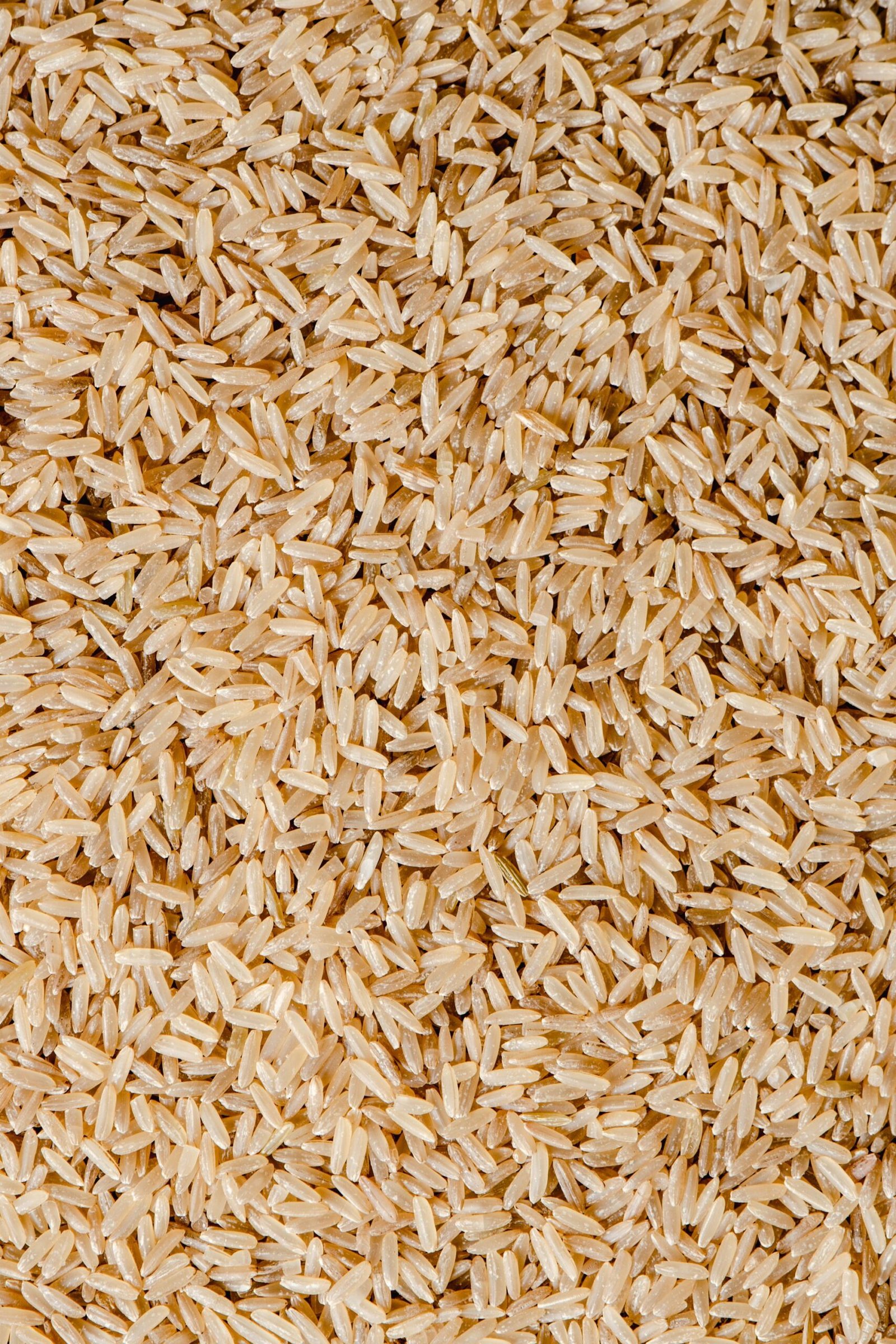
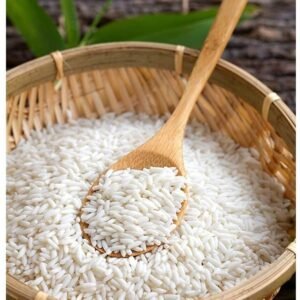
We stock Brown Rice for sale by the container, not the bag, for buyers who need a steady wholesale supply rather than a one-off pallet. DThai Company Limited mills this straight from the same paddies in Chiang Rai, Thailand, that supply our white and jasmine lines. The difference is we stop the process earlier and leave the bran and germ layer on, which is where most of the nutrition actually lives.
Unpolished rice is a harder product to keep fresh than white rice. The oil in the bran layer means it has a shorter shelf life and needs tighter storage control, and that’s exactly why a lot of smaller suppliers avoid stocking it in volume. We do, because health-focused retailers and food manufacturers keep asking for it.
Why Buyers Choose This Brown Rice for Sale
It has a noticeably nuttier flavor and chewier bite than white rice, a higher fiber content, and it holds onto more of its natural minerals since we don’t polish it down. For brands building out a whole grain or clean label range, this is usually the rice that anchors the category.
Specifications
- Type: Whole grain, unpolished long grain brown rice
- Moisture: 14% max
- Broken grains: 5% max
- Admixture: 0.2% max
- Bran layer: Intact, lightly cleaned only
- Crop: Current season
- Shelf life: 6 to 9 months from milling date, cooler storage recommended
- Packing: 5kg, 25kg, 50kg bags or 1,000kg jumbo bags; private label available
- Loading: FCL or LCL
Because shelf life is shorter than white rice, we mill brown rice closer to your shipping date rather than holding large finished stock. It’s a bit more coordination on our end, but it means you’re not buying rice that’s already six months old before it even leaves the mill.
Where This Fits in a Bulk Order
A good number of our customers buying Jasmine Rice for sale add brown rice to the same container to split their catalog between an aromatic white rice and a health-forward whole grain option. It’s also a natural pair with Black Rice (Forbidden Rice) for sale if you’re building out a specialty rice shelf set for a grocery or health food account.
Nutrition, Roughly
We’re not a lab, so for exact figures we’d point you to a proper nutrition database rather than guess, but broadly, brown rice runs higher in fiber, magnesium, and B vitamins than white rice of the same variety, which is the whole reason it sells at a premium once it’s on shelf. The Wikipedia entry on brown rice is a fair starting point if you want the general background before we get into your own label copy.
One thing worth flagging: brown rice cooks slower than white rice, usually 35 to 45 minutes versus 15 to 20, and needs more water. It’s a small detail, but it’s the kind of thing that ends up as a customer complaint if it’s not on your packaging, so we mention it to every new buyer.
A Short History of Brown Rice for Sale Worldwide
Brown rice isn’t a separate variety from white rice, it’s the same paddy rice stopped earlier in the milling process, and in that sense it’s actually the older, more original form of rice before industrial milling became standard in the 20th century. Whole grain rice fell out of fashion in a lot of markets once white, polished rice became cheaper to produce and store at scale, and it’s really only in the last few decades, driven by nutrition science and the whole-grain movement, that demand for Brown Rice for sale climbed back up as a mainstream retail category rather than a health-food niche item.
Nutritional Profile
Per 100g cooked, brown rice runs close to 110 to 120 calories, with roughly 2.5g of fiber, more than double what the same weight of white rice carries, plus meaningfully higher magnesium, phosphorus, and B-vitamin content because the bran and germ layer, where most of those nutrients live, hasn’t been polished away. It has a lower glycemic index than white rice too, which is one of the main reasons diabetic-friendly and clean-label brands specifically ask for brown rice over white when they’re formulating a product line.
How This Brown Rice Is Grown and Milled
We use the same paddy stock and the same Chiang Rai growing region as our white and jasmine lines, which keeps quality consistent across the catalog. The difference is entirely in processing: after hulling, we stop milling before the bran and germ layer is removed, doing only a light cleaning pass to knock off loose husk debris rather than a full polish. It’s a shorter process on paper but a harder one to manage well, because the bran-intact grain is more fragile and more prone to rancidity if it sits around, which is why timing between milling and shipping matters so much more here than on our other lines.
Brown Rice vs. Other Rice We Sell
Compared to our White Rice, brown rice takes longer to cook, has a shorter shelf life, and costs more per tonne, but it holds a clear nutritional edge and a growing customer base that actively prefers the taste and texture. Compared to Black Rice (Forbidden Rice), brown rice is the more mainstream, everyday whole grain option, while black rice sits at the specialty end with a higher price point and smaller volumes. A lot of buyers stocking Brown Rice for sale end up carrying both, brown as the everyday whole-grain SKU and black as the premium specialty add-on.
Grading Standards, Explained
The same grading terms apply here as on our milled rice: broken percentage, admixture, and moisture content, all measured against standard export thresholds. Where brown rice differs is that milling degree isn’t really a grading axis, since it’s deliberately left unmilled, and instead the meaningful quality marker is how clean the bran layer is, whether the cleaning pass has stripped out husk fragments and stones without damaging the grain. It’s a less standardized part of the trade than white rice grading, honestly, which is part of why buyers should ask suppliers for a sample before committing to volume.
Where Brown Rice Gets Sold and Used
Brown rice moves through very different channels than our commodity white rice. Instead of bulk staple food programs, it goes mostly to health food retailers, clean-label manufacturers, and foodservice groups building a whole grain menu option. Demand tends to be steadiest in markets with an established health-food retail sector, Europe, North America, and increasingly parts of the Middle East and Southeast Asia, where more buyers are now actively searching for Brown Rice for sale rather than treating it as a niche special order.
Sustainability and Farming Practices
Because brown rice uses less processing than white rice, less energy spent milling, less bran and germ discarded as byproduct, it’s genuinely a lower-waste product from farm to bag, even before you get into the paddies themselves. The paddies supplying this line are the same smallholder, rain-fed operations behind our jasmine and white rice, without a heavy synthetic pesticide program. If your buyer or retail partner needs formal documentation on this, tell us the standard and we’ll tell you honestly what we can support.
Common Mistakes First-Time Buyers Make
The biggest one is not accounting for the shorter shelf life when planning inventory. Buyers used to ordering white rice sometimes stock brown rice the same way, large volume, long lead time between reorders, and end up with bags going rancid on the shelf before they sell through. The second mistake is assuming all brown rice cooks the same; grain size and bran thickness vary enough between batches that cooking time and water ratio can shift slightly, which is worth testing on a sample rather than assuming your existing recipe card holds. The third is underestimating how much storage conditions matter, brown rice held in a hot, humid warehouse degrades faster than the same rice stored cool and dry, regardless of what the bag says at the point of shipping.
Frequently Asked Questions, Continued
Does Brown Rice for sale from you cost more than white rice per tonne?
Yes, generally. Less rice comes out of the same paddy volume once you stop milling early, and the shorter shelf life adds handling cost on our end too, both of which show up in the price.
Will this brown rice work the same as short grain brown rice in a recipe?
This is long grain brown rice specifically, so texture will be a bit different from short grain, less clingy, more separate grains after cooking. If a buyer specifically needs short grain, flag that upfront and we’ll tell you honestly if we can source it.
How should I store this after it arrives?
Cool, dry, and ideally in a sealed container once the original packaging is opened. Refrigeration extends shelf life further if your storage setup allows it, which matters more for brown rice than for any other line we sell.
Packaging and Labeling Options in Detail
Standard packaging is 5kg, 25kg, or 50kg bags, with 1,000kg jumbo bags available for buyers doing their own repackaging or blending. Because moisture and freshness matter more here, we lean toward PP-laminated bags by default rather than plain woven PP, even though it costs slightly more, simply because the added moisture barrier protects the bran layer better over a long shipping route. Private label printing is available the same way as our other lines, though we’ll flag lead time expectations clearly given the tighter milling-to-ship window this product runs on.
A Final Note Before You Order
Brown rice rewards buyers who plan around freshness rather than treating it like a shelf-stable commodity you can stock a year’s worth of at once. The nutritional and flavor advantage is real, but only if the rice reaches your customer while the bran oil is still fresh. That’s really the case for buying Brown Rice for sale from a supplier who mills close to your ship date rather than one holding large finished stock, it’s a slightly more coordinated process, but it’s the difference between rice that tastes the way brown rice should and rice that’s technically brown but tastes flat.
Quality Control and Traceability
Every batch of brown rice we export is traceable back to the mill lot it came from, and we log moisture readings, broken grain percentage, and cleaning runs for each shipment. Since this rice keeps the bran layer, we also track milling-to-ship time closely, since that window matters more here than on any other line we carry.
Why International Buyers Work With Us
We’re not a trading house reselling rice we’ve never seen. DThai Company Limited operates out of Chiang Rai, close to the mills and the paddies, which means we can answer questions about a specific crop, inspect a lot ourselves before it ships, and catch a quality issue before it becomes your problem. Buyers across West Africa, the Middle East, Europe, and North America keep reordering because the container that arrives matches the sample they approved, shipment after shipment.
Frequently Asked Questions
What’s the minimum order for this Brown Rice for sale?
One 20ft container FOB Thailand for most buyers, with smaller trial quantities considered for new accounts.
How long does brown rice stay fresh after milling?
We recommend using it within 6 to 9 months of the milling date, and cooler, dry storage extends that. It’s shorter than white rice because the bran oil is still intact.
Do you ship brown rice worldwide?
Yes, we ship to buyers across multiple continents. We just time the milling closer to your shipping date so freshness holds up over transit.
Can you do custom or private label packaging?
Yes. We handle bag printing and custom packaging specs for buyers who want their own brand on the bag.
Payment and Documentation
Standard terms are T/T with a 30% deposit and the balance against shipping documents, and we can move to L/C once we’ve shipped a few orders together. Every container ships with a certificate of origin, phytosanitary certificate, and fumigation certificate, and third-party inspection can be arranged on request. If your business already imports rice, none of this will surprise you, and if it doesn’t, we’ll walk you through it.
Lead Times and Shipping
Because we mill brown rice closer to your shipping date rather than pulling from old finished stock, lead time runs a little longer than our white rice, usually 12 to 20 days from deposit to loading. Transit after that depends on your port, from about a week for regional routes to five or six weeks further out. We’ll give you a realistic date up front and flag it immediately if anything slips.
Ordering
Minimum order is one 20ft container FOB Thailand, sample and spec sheet available before you commit. If you’re already sourcing brown rice for sale from another supplier and just comparing pricing or quality, send us your current spec and we’ll quote against it directly.
Reviews
There are no reviews yet.