Description
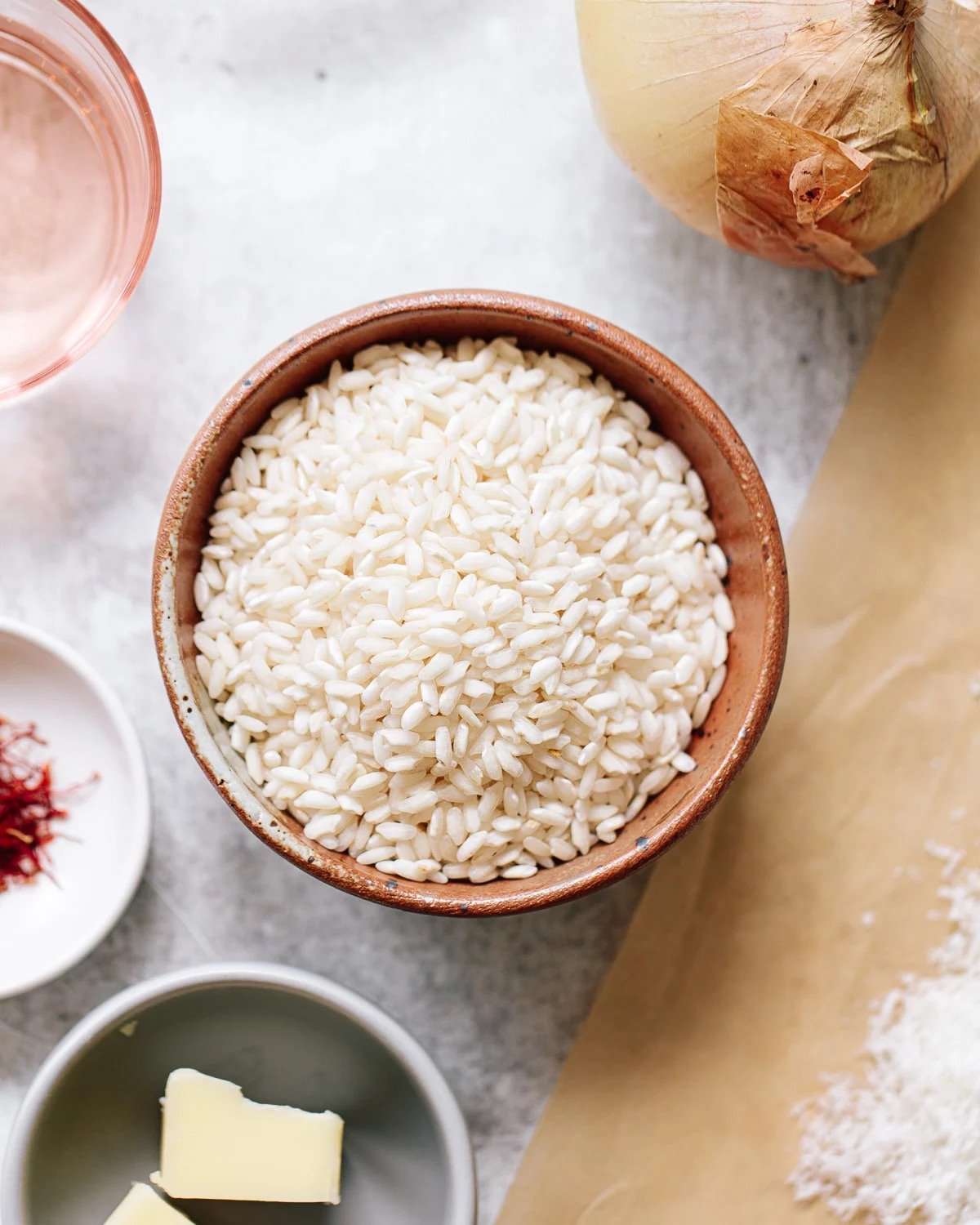
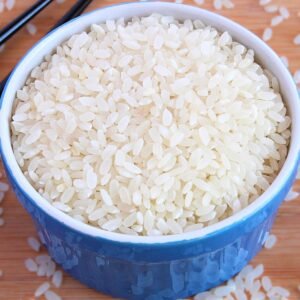
Arborio Rice for sale from DThai Company Limited is the short grain, high-starch variety foodservice buyers ask for by name once they’ve had a risotto made with the real thing. It’s not interchangeable with a standard short grain rice. The higher amylopectin content is what gives risotto its signature creamy texture without a drop of cream actually going into the pot.
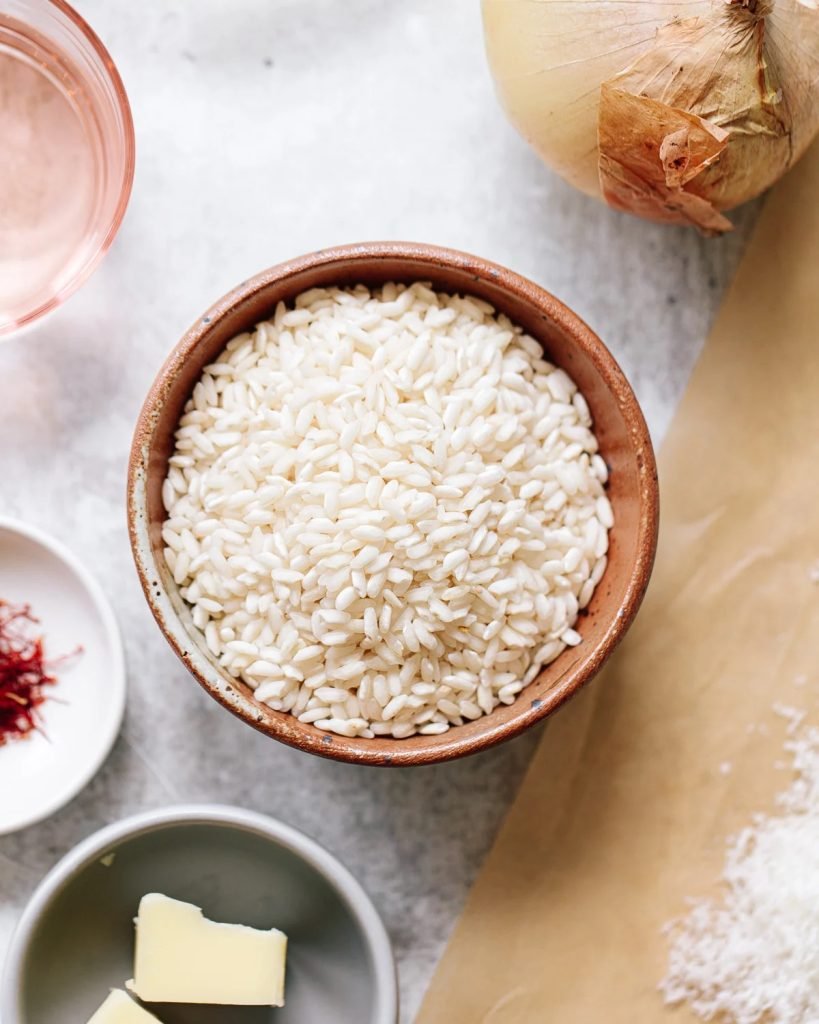
We mill and pack it under the same quality controls as the rest of our catalog, which matters more than people expect with arborio. Inconsistent grain size or a batch with too many broken kernels will throw off starch release and ruin the texture a chef is trying to hit.
What Sets This Arborio Rice for Sale Apart
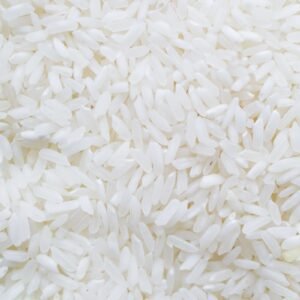
Grain uniformity is the whole game here. We sortex-clean and grade tightly so the starch release is predictable batch to batch, which is the single biggest complaint we hear about cheaper arborio on the market. One bag cooks up perfectly and the next one turns to mush or stays gritty.
We also keep batch sizes smaller than our commodity rice lines and turn stock over faster, since arborio doesn’t move in the same volumes as jasmine or white rice on most routes. That works in your favor as a buyer: less chance of getting rice that’s been sitting in a warehouse for a year losing starch quality before it ever reaches your kitchen.
Specifications
- Type: Short grain, high-starch (arborio-type) rice
- Moisture: 14% max
- Broken grains: 5% max
- Admixture: 0.2% max
- Milling: Well-milled, sortex-cleaned for grain uniformity
- Crop: Current season
- Shelf life: 12 to 18 months
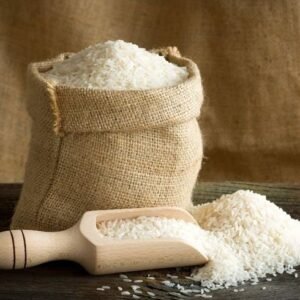
- Packing: 500g, 1kg, 5kg, 25kg bags, or 1,000kg jumbo bags; private label available
- Loading: FCL or LCL
Who’s Buying It
Mostly Italian restaurant groups, foodservice distributors, and specialty grocers stocking a proper risotto rice next to their pasta aisle. If you already order White Rice for sale from us for a broader catalog, arborio is a low-effort add-on since it ships on the same documentation and route.
Using It
For anyone writing customer-facing copy, the standard method is toasting the grain briefly in oil or butter before adding warm stock a ladle at a time, stirring until each addition absorbs. That slow starch release is what builds the creamy consistency risotto is known for. Wikipedia’s entry on arborio rice is a reasonable starting point if you want a reference for the technique or the variety’s background, and Black Rice (Forbidden Rice) for sale is worth a look too if you’re rounding out a specialty rice program.
A Short History of Arborio Rice for Sale
Arborio takes its name from a town in Italy’s Po Valley, where the variety was developed and where most of the world’s authentic arborio is still grown for the domestic Italian market. The variety was bred specifically for its high amylopectin starch content, the trait that makes risotto possible, long before risotto rice was an international retail category rather than a regional Italian staple. Global demand for Arborio Rice for sale grew alongside Italian cuisine’s spread through restaurants worldwide, to the point that arborio-type rice is now grown well outside Italy to meet that demand at a price point Italian-grown arborio can’t always hit.
Nutritional Profile
Per 100g cooked, arborio rice runs close to 130 to 140 calories, similar to other milled short and long grain rice, with about 29g of carbohydrate and 2.5g of protein. Nutritionally it’s not dramatically different from our white rice, the real distinction is entirely structural: a higher amylopectin-to-amylose starch ratio, which is what releases into the cooking liquid gradually and builds risotto’s signature creamy texture rather than cooking up light and separate like a long grain rice.
How This Arborio Rice Is Grown and Milled
We grow arborio-type paddy using seed stock selected for the same high-starch trait as Italian arborio, milled and polished under the same quality controls as the rest of our catalog. Grain uniformity is the priority in milling here more than with any other line we carry, since inconsistent grain size directly changes how much starch releases during cooking, and that’s the difference between a risotto that comes out right and one that doesn’t.
Arborio Rice vs. Other Rice We Sell
Arborio isn’t a substitute for our White Rice or vice versa, they’re built for completely different cooking methods, arborio for slow starch release, white rice for a light, separate grain. It shares more in common with Black Rice (Forbidden Rice) in market positioning than in cooking chemistry, both are specialty lines that sell on a specific culinary use case rather than as everyday staples. Buyers researching Arborio Rice for sale are almost always sourcing for a specific dish, not a general-purpose rice program.
Grading Standards, Explained
Broken percentage and moisture are graded the same way as our commodity rice, but grain-size uniformity is the metric that actually matters most for arborio specifically, more than for any other line we sell. A batch with too much size variation cooks unevenly, smaller grains overcook and release starch too fast, larger grains stay undercooked in the center. That’s why our sortex-cleaning pass for arborio is tuned for size consistency first, broken percentage second.
Where Arborio Rice Gets Sold and Used
Arborio moves almost entirely through Italian and broader European-cuisine foodservice channels, specialty grocers, and restaurant supply distributors, rather than general commodity food trade. Demand for Arborio Rice for sale tracks pretty closely with the broader popularity of Italian dining internationally, restaurant groups expanding their menu, specialty grocers adding a proper risotto rice next to their pasta aisle, that kind of steady, cuisine-driven growth rather than staple-food volume swings.
Sustainability and Farming Practices
The paddies growing our arborio-type rice are the same smallholder, rain-fed operations behind our other lines, just running smaller batch sizes given the lower overall demand volume compared to jasmine or white rice. That smaller scale actually works in freshness’s favor, since we’re not holding large finished stock aging in a warehouse before it ships.
Common Mistakes First-Time Buyers Make
The most common mistake is assuming any short grain rice will perform like arborio in a risotto. Grain size alone doesn’t guarantee the right starch profile, and a cheaper short grain substitute can leave a chef with a pot that never builds the right creaminess no matter how carefully they cook it. The second mistake is skipping the cooking test before committing to volume, restaurant groups especially should run arborio through their actual kitchen before locking in a supply contract, since consistency under real kitchen conditions matters more than a spec sheet number. The third is over-ordering for a slow-moving specialty item, arborio doesn’t turn over like a commodity rice, so matching order size to realistic menu volume avoids tying up cash in slow stock.
Frequently Asked Questions, Continued
Is this the same as Italian-grown arborio?
It’s the same variety type, grown and milled under equivalent grain-uniformity standards, though not grown in Italy. Many foodservice buyers find it performs identically in the kitchen at a more accessible price point, but we’d always recommend a sample test rather than taking our word for it.
Can I order a blend of arborio and a cheaper short grain rice to reduce cost?
We can discuss custom blends, but we’d flag honestly that blending usually compromises the starch consistency that makes arborio worth buying in the first place, so it often isn’t the cost saving it looks like on paper.
What’s the shelf life once I open a bag?
Once opened, store it sealed and dry like any milled rice, ideally used within a few months for best starch performance, though it remains safe to cook well beyond that.
Packaging and Labeling Options in Detail
We offer 500g and 1kg retail packs for specialty grocers, 5kg and 25kg bags for foodservice distributors, and 1,000kg jumbo bags for larger processing buyers. Given the smaller batch sizes typical of this line, private label runs are handled case by case, and we’ll tell you upfront if a particular print run size doesn’t make economic sense at your order volume rather than taking the order anyway.
A Final Note Before You Order
Arborio is a rice you buy for a specific outcome, not a general pantry staple, and that changes how we’d recommend sourcing it. Run the cooking test, confirm grain uniformity on the sample matches what you’re expecting, and only then commit to a supply relationship for Arborio Rice for sale at volume. A chef who’s happy with the texture becomes a repeat buyer for years; one who isn’t switches suppliers after the first bag, and we’d rather earn that repeat business honestly than win a one-time order on price alone.
Quality Control and Traceability
Every batch of arborio rice we export is traceable back to the mill lot it came from, and we log moisture readings, broken grain percentage, and grain-size uniformity for each shipment, since uniformity is what actually determines how it performs in a risotto pan.
Why International Buyers Work With Us
We’re not a trading house reselling rice we’ve never seen. DThai Company Limited operates out of Chiang Rai, close to the mills and the paddies, which means we can answer questions about a specific crop, inspect a lot ourselves before it ships, and catch a quality issue before it becomes your problem. Restaurant groups and specialty grocers across multiple regions keep reordering because the texture is consistent, container after container.
Frequently Asked Questions
What’s the minimum order for this arborio rice?
One 20ft container FOB Thailand, though smaller trial quantities are available for new foodservice accounts testing the product first.
Will it perform the same as Italian-grown arborio?
Grain uniformity and starch content are what matter for risotto texture, and that’s exactly what we grade tightly for. Try a sample and judge it in your own kitchen.
Do you ship arborio rice worldwide?
Yes, mostly to restaurant groups and specialty grocers across multiple regions, on the same documentation as the rest of our catalog.
Can you do custom or private label packaging?
Yes. Bag sizes from 500g retail packs up to 25kg foodservice bags are available with custom labeling.
Payment and Documentation
Standard terms are T/T with a 30% deposit and balance against shipping documents, moving to L/C for repeat larger orders. Certificate of origin, phytosanitary certificate, and fumigation certificate ship with every order, and third-party inspection can be arranged if your buyer or customs process requires it.
What to Ask Before You Commit to a Supplier
Any serious foodservice buyer sourcing Arborio Rice for sale should be asking a short list of questions before signing off on a first order: Can I get a sample large enough to actually run a kitchen test? What’s your grain-size uniformity tolerance, not just broken percentage? What happens if a batch doesn’t perform the way the sample did, is there a remediation process? Who’s milling this, and what quality controls are actually in place for grain consistency? We’d answer all four honestly for any buyer evaluating us, and we’d encourage asking the same of any other supplier you’re comparing us against before committing to volume.
Rice Trade Terminology Worth Knowing
FOB means the price covers the rice loaded onto the vessel at a Thai port, with the buyer arranging and paying ocean freight from there. CIF means we arrange and include the ocean freight and insurance to your destination port, which is often simpler for a foodservice buyer ordering Arborio Rice for sale for the first time. MOQ is minimum order quantity, one 20ft container for full pricing, with smaller trial quantities available on request. LCL means less than a full container load, common on this line given the smaller order sizes typical of specialty rice. Knowing these terms before your first call with any supplier makes the quoting process faster and avoids misunderstandings on price or shipping responsibility.
Lead Times and Shipping
Once a deposit clears, we typically load and ship within 10 to 20 days. Since arborio moves in smaller batches than our commodity rice, we mill it closer to the order date rather than holding a large finished stock, which keeps starch quality higher but means lead time is worth confirming before you commit to a menu launch date. Transit after that depends on your port.
Ordering
Minimum order is one 20ft container FOB Thailand, with smaller trial quantities available for new foodservice accounts testing the product before committing to volume. Get in touch with your target volume and destination and we’ll quote arborio rice for sale within a business day.
If you’re a smaller restaurant group testing the product before scaling up, ask about our sample program. It’s a fraction of a full order and lets your kitchen run its own cooking test before you commit to a container.
Reviews
There are no reviews yet.