Description
DThai Company Limited ships Organic Sunflower Oil for sale to buyers across the world, from small natural food brands filling their first pallet order to established manufacturers running container programs every month. This is certified organic, cold-pressed oil, produced under real documentation, not a marketing label slapped on a conventional grade. If you need a clean-label ingredient with the paperwork to back it up, this is the product line to look at, and we can get you samples fast.
What Organic Sunflower Oil Actually Is
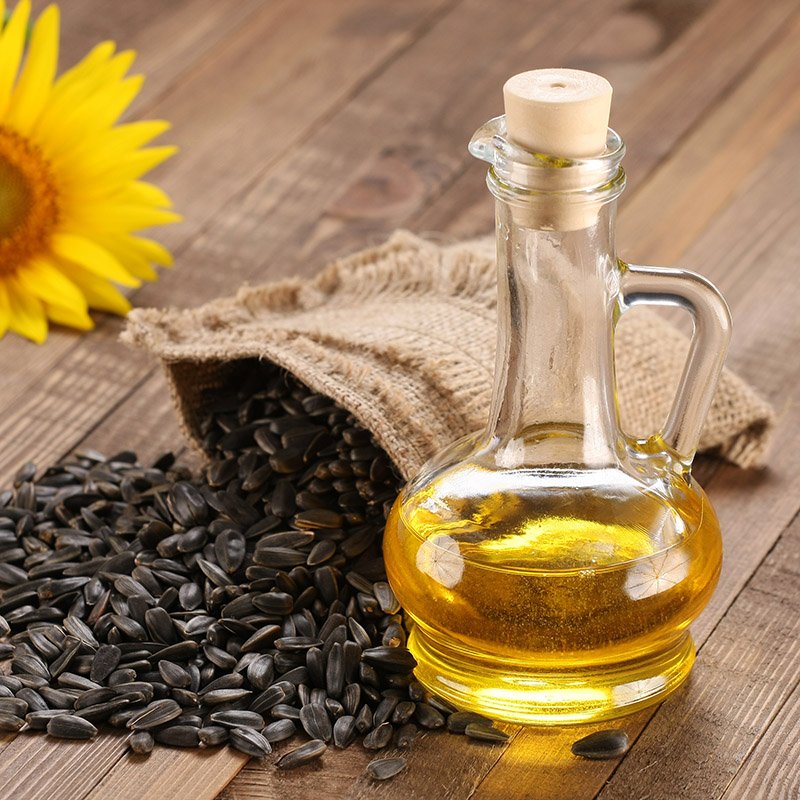
Organic Sunflower Oil for sale under our program starts with sunflower seeds grown on certified organic farmland, meaning no synthetic pesticides, no synthetic fertilizers, and no GMO seed stock anywhere in the chain from planting to harvest. The seeds are cold-pressed rather than solvent-extracted, which keeps more of the natural color, aroma, and nutrient content intact compared to conventionally refined oil. It is not the same product as our standard refined sunflower oil dressed up with a new label. Organic status changes how the crop is grown, how the seeds are handled after harvest, and how the oil is pressed, and every one of those steps has to be documented and auditable if you want to keep the organic claim on your own finished product.
Specifications
- Type: certified organic, cold-pressed sunflower oil
- Certification: grown without synthetic pesticides, fertilizers, or GMO seed stock
- Extraction method: cold-pressed below 50C to preserve natural color, flavor and nutrients
- Free fatty acid (FFA): 0.3% max, slightly higher than RBD grades due to minimal processing
- Moisture and impurities: 0.2% max
- Color: golden yellow, more color retained than refined grades
- Packaging: 250ml to 5L retail glass or PET bottles, 20L bulk for repackers
- Shelf life: 12 months from production, store away from light and heat
- Origin: certified organic farms, processed in Thailand
A Short History Worth Knowing
Sunflower oil itself has been pressed and consumed for well over a century, but the organic version is a much newer story, tied to the broader organic movement that took shape through the twentieth century as farmers and researchers pushed back against the heavy chemical use that came with industrial agriculture after World War II. If you want the longer version of how that movement developed, the Wikipedia page on organic farming covers the shift from small experimental farms to a certified, regulated global category with its own supply chains and inspection bodies. What used to be a niche market for health food stores is now a serious commercial category, and Organic Sunflower Oil for sale has become one of the steadier entries in that category because sunflower as a crop lends itself well to organic growing methods without the yield collapse you see in some other oilseeds.
Why Certification Actually Matters
Anyone can call an oil natural. Only a certified organic operation can put an organic seal on the bottle and have it mean something under law. Certification means third-party inspectors have checked the farms, the seed source, the storage, and the pressing facility, and that paper trail follows the product all the way to your loading dock. Buyers sourcing Organic Sunflower Oil for sale need that trail intact because their own certifiers will ask for it during audits, sometimes years after the purchase. We keep our certificates current and traceable back to specific production lots, not a general company-wide claim that gets waved around without dates or lot numbers attached to it.
Our Organic Sunflower Oil for Sale
When we say Organic Sunflower Oil for sale, we mean product sitting in inventory or scheduled for production, not a catalog listing we build orders around after the fact. We work with contracted organic farms, run the oil through cold-press facilities that handle organic lots separately from conventional runs, and package to the buyer’s spec whether that is small retail bottles or bulk drums for a repacking operation. Minimum order quantities are flexible enough for a first-time buyer to test the market without committing to a full container, and we scale up from there once the relationship is proven out on both sides.
How Organic Sunflower Oil Is Made
The process starts in the field with organic-certified sunflower seed, harvested and dried under conditions that keep it separate from any conventional grain moving through the same facilities. From there the seeds go into mechanical presses that squeeze the oil out under heat kept below 50C, which is the threshold that keeps the process classified as cold-pressed. No hexane, no chemical solvents, none of the high-heat refining steps that strip out color and flavor compounds along with impurities. What comes out is a golden, slightly cloudy oil with a mild sunflower seed aroma, filtered just enough to remove solids without stripping the character that buyers are paying extra for in the first place. It is a slower, lower-yield process than conventional refining, and that cost shows up in the price, but it is what keeps the organic and cold-pressed claims honest.
Uses and Applications
Buyers looking for Organic Sunflower Oil for sale come from a few different corners of the market. Natural and health food brands use it as a finished retail product, bottled under their own label and sold on the strength of the organic and cold-pressed story. Food manufacturers use it as an ingredient in organic-certified snack foods, sauces, and baked goods where every input on the label has to carry its own certification. Cosmetic and personal care companies use it in organic skin care lines because the retained vitamin E and lighter refining profile work well in that application. A smaller slice goes to specialty food service, restaurants and caterers building a clean-label menu around organic ingredients. It is not a commodity frying oil play, and buyers shopping this grade already know that.
Storage and Handling
Cold-pressed organic oil is a bit more sensitive than refined oil, and buyers should plan for that rather than treat it the same as a standard grade. Keep it out of direct light and away from heat sources, ideally under 25C in a dry warehouse space. Once a container or drum is opened, oxygen exposure starts working against shelf life, so smaller repack runs and tighter inventory turns matter more here than they would with a heavily refined product. Twelve months from production date is the shelf life we quote, and that number assumes proper storage the whole way through, not just during transit.
A Note on Sourcing and Certification Documentation
This is the section most first-time buyers skip and most repeat buyers read twice. Every batch of Organic Sunflower Oil for sale from our facility ships with an organic transaction certificate tied to that specific lot, along with the underlying farm and processor certifications behind it. If your own certifier or retail partner asks where the organic claim comes from, you need a document trail that traces back cleanly, not a photocopy of a certificate that expired eighteen months ago. We have seen buyers get burned by suppliers who let certifications lapse quietly and kept shipping anyway. We do not do that, and we would rather lose an order than ship product with paperwork that will not hold up under audit.
Quality Control Before Every Shipment
Before anything leaves our facility, every batch gets tested for free fatty acid content, moisture and impurities, color, and peroxide value. We hold samples from every production run and can send them to a buyer for independent lab verification before the order ships if that is part of your process. Organic certification covers how the crop was grown and handled, but it does not replace standard food-grade quality testing, and we run both checks as a matter of course rather than treating them as optional extras.
Comparing Organic Oil to Our Other Grades
We sell more than one sunflower oil grade, and it is worth being straight about where each one fits. Our conventional Sunflower Oil for sale is the workhorse grade, refined and priced for volume food service and manufacturing use where the organic claim is not required. Our High Oleic Sunflower Oil for sale is built for frying stability and shelf life rather than a clean-label story, popular with snack food producers who need an oil that holds up under repeated high-heat use. Organic Sunflower Oil for sale sits in a different lane entirely, priced higher, sourced tighter, and bought by companies that need the certification more than they need the lowest cost per liter. None of these grades competes with the others so much as they serve different buyers with different priorities.
Why Buyers Choose to Work With Us
Buyers stick with us past the first order for a few plain reasons. We answer emails without a three-day lag. We tell buyers when a certificate is close to renewal instead of letting them find out the hard way. We hold consistent lot quality, so a repeat order matches the sample you approved six months earlier. And we carry a range broad enough that a buyer sourcing Organic Sunflower Oil for sale from us can also pick up Coconut Sugar for sale on the same purchase order if their supply chain calls for it, which saves everyone time on freight consolidation and paperwork. None of that is glamorous. It is just what keeps a trading relationship going year after year.
Frequently Asked Questions
Is this oil actually certified organic, or just marketed that way?
It carries a real organic transaction certificate tied to each production lot, traceable back to the certified farms and processing facility, and we provide that documentation with every order.
What is the minimum order quantity?
It depends on packaging format, but we can work with smaller trial orders for new buyers before scaling to full container volumes, and we will tell you upfront what makes sense for your target price point.
How is this different from your regular sunflower oil?
The regular grade is conventionally grown and refined for volume use, while this one is certified organic and cold-pressed, which means more retained natural color and flavor, a slightly higher FFA spec, and a price that reflects the extra cost of organic farming and lower-yield pressing.
Can you provide samples before we commit to an order?
Yes, we send samples with current certification paperwork attached so you can run your own lab checks and confirm the documentation before placing a purchase order.
Does the organic certification cover the whole supply chain?
It covers the farms, the seed source, storage, and the pressing facility, and the transaction certificate we issue traces the product through each of those stages for the specific lot you are buying.
What packaging options are available?
We offer retail glass and PET bottles from 250ml up to 5L, plus 20L bulk containers for buyers who repackage under their own private label.
Why Thailand for Organic Sunflower Oil Sourcing
Thailand is not the first country that comes to mind when people think sunflower oil, and that is fair, since the bulk of global sunflower production sits in Eastern Europe. What Thailand offers instead is processing infrastructure, established export logistics, and a trading network set up to move organic-certified oils and other commodities to buyers worldwide without the shipping bottlenecks that have hit some traditional sunflower origins in recent years. We source certified organic seed through established supply partnerships and press it here, which gives buyers a stable, geopolitically quieter alternative sourcing point for Organic Sunflower Oil for sale, with export documentation and port access that keeps lead times predictable.
Quality Control, Step by Step
Testing starts before the seed ever reaches the press, with incoming lots checked against organic certification records to confirm the seed source is clean. During pressing, we monitor temperature to keep it under the 50C cold-press threshold and pull samples at intervals through the run. After pressing, the oil is filtered, tested again for FFA, moisture, impurities, color, and peroxide value, then held in quarantine pending lab sign-off before it is cleared for packaging. Packaged product gets a final visual and documentation check against the order specification before it goes anywhere near a container. It is a slower process than conventional oil handling, on purpose, because organic buyers are paying for that level of scrutiny.
Common Mistakes Buyers Make When Sourcing Organic Sunflower Oil
The most common mistake is buying on price alone and only checking the certification paperwork after the container has already shipped. By then, if something is wrong, you are stuck. Another one is assuming a supplier’s general organic certification covers a specific lot automatically, when in reality you need a transaction certificate tied to that exact shipment. Buyers also sometimes underestimate storage requirements once the oil lands, treating it like a shelf-stable refined product instead of the more sensitive cold-pressed oil it actually is. And a fair number of first-time buyers skip requesting samples entirely to save a couple of weeks, then find out the color, aroma, or FFA level does not match what they expected once the full order arrives.
Order Process From Quote to Delivery
It starts with a quote request covering volume, packaging format, and destination port. We confirm current pricing and lead time, send samples with certification paperwork if you want them, and once terms are agreed we issue a proforma invoice. Production or allocation from existing stock gets scheduled, quality testing runs before packaging, and we handle export documentation alongside the shipment. Buyers get tracking information and copies of all shipping and certification documents before the vessel or cargo arrives at destination, so nothing shows up as a surprise at customs. The whole cycle for Organic Sunflower Oil for sale typically runs a few weeks longer than our conventional grades because organic-certified logistics and documentation take more time to process correctly.
A Note on Pricing
Organic Sunflower Oil for sale costs more than conventional or high oleic grades, and there is no way around that or reason to pretend otherwise. Organic farming yields less per hectare, cold-pressing extracts less oil per ton of seed than solvent extraction, and certification and audit costs get built into every stage of the chain. Pricing moves with the organic seed market and with currency and freight conditions, so we quote current pricing rather than publishing a fixed number that goes stale. What we can promise is a fair quote based on real cost inputs, not an inflated organic premium just because the word carries weight on a label.
Working With a Trading Partner, Not Just a Supplier
A lot of buyers come to us after a bad experience with a supplier who treated the relationship as one transaction at a time. We think about it differently. We flag certification renewals before they lapse, tell buyers honestly when a crop year is running tight on quality, and help repeat customers plan orders around seasonal production windows rather than scrambling last minute. That kind of relationship takes longer to build than a single spot deal, but it is what most serious buyers actually want once they have been burned once or twice by suppliers who disappear after the invoice clears.
Documentation We Provide
Every shipment comes with a commercial invoice, packing list, bill of lading, certificate of origin, phytosanitary certificate where required, and the organic transaction certificate tied to that specific lot. We also provide lab test reports covering FFA, moisture, impurities, color, and peroxide value for the batch shipped. If your certifier or import authority needs anything additional, tell us early in the process rather than after the container has left port, since some documents have lead times of their own and cannot be produced retroactively.
Freight, Customs, and Realistic Lead Times
We ship by sea freight for bulk and container orders, with air freight available for smaller urgent shipments at a higher cost. Realistic lead time from confirmed order to vessel departure runs several weeks depending on packaging format and current production schedule, with transit time on top of that depending on destination port. Customs clearance for organic products can take longer than conventional goods in some countries because import authorities check the certification documentation more closely, so buyers new to organic sourcing should build extra buffer into their timeline rather than assuming it clears as fast as a standard commodity shipment.
Private Label and Retail Packaging Options
We package Organic Sunflower Oil for sale in a full range of retail formats, from 250ml glass bottles through 5L containers, and we support private label runs with custom labeling for brands that want to sell under their own name. Bulk 20L containers work well for repackers who run their own bottling lines and just need reliable organic-certified oil as the base input. Minimum quantities for private label programs are higher than for bulk purchases, but we work with growing brands to scale packaging orders as their retail footprint expands rather than locking them into volumes beyond what they can move.
Getting a Quote
If you are ready to move on Organic Sunflower Oil for sale, send us your target volume, packaging format, and destination port, and we will turn around a quote with current pricing and lead time. We are happy to send samples and certification documents first if you want to verify quality before committing. Whether you are a first-time buyer testing the category or a manufacturer replacing an existing organic supplier, reach out and we will walk you through pricing, documentation, and timelines specific to your order.
Reviews
There are no reviews yet.