Description
Brown Sugar for sale is the product people ask us about right after white sugar, usually from bakers, sauce and marinade producers, and buyers stocking a retail shelf that needs both options side by side. It looks and tastes different from white sugar because it is not the same level of refinement, and that difference is exactly what a lot of recipes and products depend on. Here is what you are actually buying, the specs behind it, and how we ship it worldwide in bulk.
What Brown Sugar Actually Is
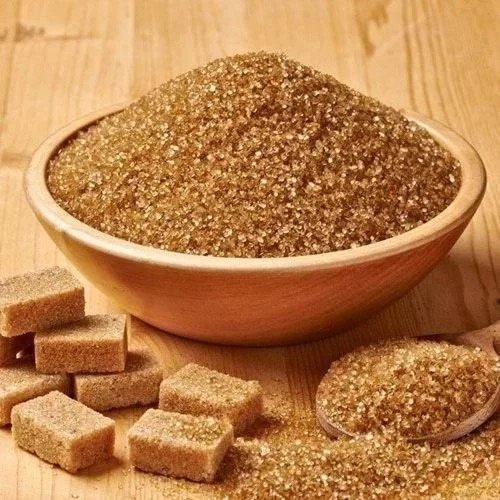
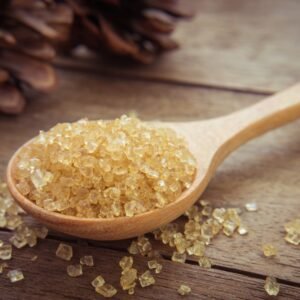
Brown sugar is sucrose crystals still carrying some of their natural molasses, either because the refining process was stopped before it was fully stripped out, or because molasses was added back into refined white sugar afterward. Either way, the molasses is what gives brown sugar its color, its slightly damp texture, and that deeper, almost caramel-like flavor that plain white sugar does not have. We supply both light and dark brown sugar, with the darker versions carrying a higher molasses content and a stronger flavor.
Specifications
- Type: cane sugar with natural or added molasses content
- Color: light brown to dark brown, depending on molasses percentage
- Molasses content: 3.5% (light) to 6.5% (dark)
- Moisture: 1.5–3% (higher than white sugar due to molasses)
- Texture: soft, moist, free-flowing after minor breakup
- Packaging: 1kg, 5kg, 25kg PP bags, or 1,000kg jumbo bags
- Shelf life: 18 months in sealed, dry storage
- Origin: Thailand, cane-derived
A Short History Worth Knowing
Brown sugar was actually the more common form of sugar for much of history, since fully refining sugar down to pure white crystals took more processing steps and was historically the more expensive option. What we now think of as a “specialty” sugar used to be the everyday product, while pure white sugar was closer to a luxury item reserved for wealthier households. Refining technology eventually made white sugar cheap and widely available, and brown sugar shifted into its current role as a distinct flavor ingredient rather than the default sweetener. You can read more about how molasses and refining interact on the Wikipedia page on molasses, which explains why it carries so much color and flavor even in small quantities.
Light Versus Dark: Choosing the Right Grade
Buyers ordering Brown Sugar for sale usually need to decide between light and dark up front, and the difference comes down to how much molasses the sugar carries. Light brown sugar has a milder flavor and a lighter color, and it works well in recipes and products where you want some caramel character without it overpowering other ingredients, like cookies, glazes, or lighter sauces. Dark brown sugar carries noticeably more molasses, giving it a deeper flavor and color that suits gingerbread, barbecue sauces, marinades, and any product where a stronger, almost smoky sweetness is the goal. If you are not sure which one fits your product, tell us what you are making and we can point you toward the grade other buyers in similar categories have settled on.
Our Brown Sugar for Sale
We supply both grades from mills that either retain natural molasses through partial refining or blend it back into refined sugar under controlled ratios, so the molasses content stays consistent shipment to shipment. Every batch gets tested for moisture and molasses percentage before it ships, because those two figures determine texture and shelf stability more than anything else. Packaging ranges from 1kg bags for retail buyers up to 1,000kg jumbo bags for manufacturers running full containers, and we can advise on packaging based on how humid your storage or destination climate tends to be, since brown sugar is more moisture-sensitive than white sugar.
How Brown Sugar Is Made
There are two ways brown sugar ends up on the market. The first is by stopping the refining process before all the molasses is removed, which produces what is sometimes called “natural” brown sugar, carrying whatever molasses was present at that stage. The second, more common commercially, is refining sugar all the way to white and then spraying a controlled amount of molasses back onto the crystals, which lets producers hit a precise, repeatable color and flavor target every time. Both methods produce a genuinely good product, and the choice mostly comes down to what a specific buyer’s market expects, since some regions have strong preferences for one method over the other.
Uses and Applications
Brown sugar shows up anywhere a recipe wants more than sweetness, since the molasses adds moisture retention, color, and a deeper flavor that plain white sugar cannot replicate. Bakers use it for cookies, cakes, and breads where a chewy texture and caramel notes matter, and it is a staple in barbecue sauces, marinades, and glazes where that dark, slightly smoky sweetness rounds out a savory dish. Beverage companies use it in specialty sodas and craft drink mixers looking for a more complex sweetness than plain sugar syrup provides. Retailers stock both light and dark grades because home bakers reach for brown sugar constantly, and it sits right next to white sugar as one of the most consistently repurchased pantry staples.
Storage and Handling
Brown sugar’s biggest storage challenge is moisture loss, not moisture gain, which is the opposite of what buyers usually expect. If it dries out, it hardens into a solid clump that is a hassle to break apart and use. Keeping it in a sealed bag or container in a cool, stable environment prevents that moisture loss, and buyers holding stock for extended periods sometimes add a small moisture source, like a piece of bread or a clay disc, inside storage containers to keep it soft. For bulk commercial storage, keeping the original sealed packaging intact until the sugar is needed is usually the simplest way to preserve texture through the full 18-month shelf life we quote.
Comparing Brown Sugar to Our Other Sugar Lines
If your business is deciding between our different sugar products, it helps to think about what the molasses is actually doing for your recipe or product. Plain white sugar gives you sweetness without added flavor or color, which is what most baking and beverage applications default to. Brown Sugar for sale adds that caramel depth and moisture retention that specific recipes are built around, and buyers who need both often order them together to cover their full product range. If your business needs an even more pronounced molasses character, our Demerara and Muscovado lines carry that further, with larger crystals and stronger flavor profiles respectively.
Quality Control Before Every Shipment
We test moisture and molasses content on every batch before it ships, since those two figures drive both flavor consistency and shelf stability. A batch that runs too dry will clump faster than expected, and one that runs too wet risks mold in long-term storage, so hitting the right range matters more with brown sugar than with most other sugar types. Lab results ship with the documentation package for every order, so your team has a reference point the moment the container clears customs.
Packaging Built Around Moisture Sensitivity
Because brown sugar holds more moisture than white sugar, packaging matters even more for keeping quality consistent over a long shipping route. We use moisture-appropriate bagging designed to hold the sugar’s natural dampness in rather than letting it dry out during transit, which is the opposite concern from most other commodities where keeping moisture out is the goal. Buyers shipping to very dry climates sometimes ask for extra sealing on top of our standard packaging, and we can accommodate that on request.
Why Buyers Choose to Work With Us
We have built relationships with mills that can hit a consistent molasses ratio shipment after shipment, which matters more for brown sugar than almost any other product we carry, since even a small variation changes both flavor and shelf behavior. If your business sources multiple sugar types, our White Sugar for sale page covers standard refined sugar, our Demerara Sugar for sale page covers the large-crystal specialty option, and our Muscovado Sugar for sale page covers the most intensely flavored, least refined option in our range. Buyers who also import rice often pair sugar orders with our Long-Grain Rice for sale or Parboiled Rice for sale, both documented with the same level of specification detail.
Frequently Asked Questions
What is the difference between light and dark brown sugar?
Dark brown sugar carries more molasses, giving it a stronger flavor and darker color, while light brown sugar has a milder taste suited to recipes where you do not want the molasses flavor to dominate.
Why does brown sugar harden over time?
It hardens when it loses moisture to the surrounding air, which is why keeping it sealed in an airtight container or its original packaging matters more than with white sugar.
Is your Brown Sugar for sale natural or does it have molasses added back in?
We supply both types depending on the order, natural brown sugar from partial refining and refined sugar with molasses added back for a precise, repeatable color and flavor.
What packaging sizes do you offer?
We offer 1kg and 5kg bags for retail buyers, 25kg bags for commercial kitchens and manufacturers, and 1,000kg jumbo bags for full container orders.
How long does brown sugar last in storage?
Kept sealed in a cool, stable environment, our Brown Sugar for sale holds its quality for 18 months from the production date.
Can brown sugar be used in beverage production, not just baking?
Yes, several of our beverage industry buyers use it in specialty sodas, syrups, and drink mixers where a deeper, more complex sweetness is part of the product profile.
Why Thailand for Sugar Sourcing
Thailand has been a major cane sugar exporter for a long time, which means the mills we work with are set up for large, consistent production runs rather than small batches that vary from one cycle to the next. That matters even more for brown sugar than for plain white sugar, since molasses content needs to stay within a tight, repeatable range for a buyer’s recipes or products to behave consistently order after order. Buyers who have sourced from multiple origins over the years often tell us that this kind of consistency, more than price alone, is what keeps them working with the same supplier long term.
Quality Control, Step by Step
Before we agree to source a shipment, the mill sends a pre-production sample that goes through the same testing a buyer would run on arrival, checking moisture and molasses percentage against the grade ordered. If anything is off, the order does not move forward until it is corrected at the source. Once actual production begins, we sample again at loading, and those results travel with the shipment. This matters because a rejected container at a foreign port is expensive and slow to resolve for everyone involved, and it is far easier to catch a problem here than to have a buyer discover it after the ship has already sailed.
Common Mistakes Buyers Make When Sourcing Brown Sugar
The most frequent issue we see is a buyer ordering “brown sugar” without specifying light or dark, then being surprised when the flavor or color does not match what their recipe or product needs. A second common mistake is underestimating how packaging needs to account for brown sugar’s higher moisture content, since standard white sugar packaging is not always the right fit. A third is skipping the lab documentation request, leaving a buyer with no real recourse if a shipment does not match expectations. Specifying light or dark clearly, discussing packaging suited to a moisture-retaining product, and requesting lab results upfront prevent almost all the sourcing headaches we hear about from newer buyers.
Order Process From Quote to Delivery
Once you tell us light or dark, your target volume, and destination port, we typically return a formal quote within one to two business days covering unit price, packaging, and an estimated freight figure. After you confirm the order and we agree on payment terms, production and quality testing begin, and we send progress updates so you are not left wondering where things stand. Standard export documentation, including lab certificates, ships with the container, and we stay reachable through transit in case customs or your receiving warehouse needs anything clarified. Repeat buyers usually find that after the first order, the process moves faster because we already have their packaging preferences and documentation requirements on file.
A Note on Pricing
Brown sugar pricing tracks the broader sugar commodity market, plus a modest premium over plain white sugar to reflect the additional handling that comes with a moisture-retaining product. We are upfront about what is driving any price change, whether that is the underlying commodity market, freight rates, or packaging costs, rather than leaving buyers to guess. Buyers who commit to regular repeat orders, even modest ones, often see more favorable terms over time since we can plan mill capacity around a known order pattern instead of sourcing on an ad-hoc basis.
Working With a Trading Partner, Not Just a Supplier
A lot of first-time buyers treat a sugar order as a one-off transaction and then find themselves scrambling again a few months later when the next shipment needs sourcing. We would rather build a relationship that works the same way every time, with a fixed contact, known packaging preferences, and a documentation package that does not need to be rebuilt from scratch each order. If you expect to order Brown Sugar for sale on a recurring basis, tell us your expected schedule early, since we can sometimes pre-arrange mill capacity around a known order calendar, which tends to shorten lead times compared with ad-hoc ordering.
Documentation We Provide
Beyond the lab test results already mentioned, a typical export package includes a certificate of origin, a phytosanitary certificate where the destination country requires one, a packing list, a commercial invoice, and a bill of lading. If your customs process requires additional documentation specific to your country, let us know as early as possible in the order process, since some certificates take longer to arrange than the shipping timeline itself, and we would rather build that time in upfront than scramble at the last minute.
Freight, Customs, and Realistic Lead Times
Ocean freight for Brown Sugar for sale generally takes anywhere from two to six weeks depending on your destination port, and we build that timeline into every quote so there are no surprises once the order is confirmed. Customs clearance adds its own variable, since requirements differ by country and sometimes by product category within a single country, which is exactly why we ask about your destination early rather than assuming standard documentation covers every market. Buyers ordering for the first time should plan for the full timeline from quote confirmation to warehouse delivery, not just the sailing time, since loading, port handling, and customs processing all add real days to the schedule even when everything goes smoothly.
Blending and Custom Molasses Ratios
Some of our buyers, particularly larger manufacturers with a specific product formulation, ask about custom molasses ratios that fall between our standard light and dark grades. We can accommodate this for sufficient order volumes, working with the mill to hit a molasses percentage that matches a buyer’s existing formulation rather than forcing a switch to one of our two standard grades. If your business has a specific target molasses percentage from testing your own product, share that figure with us early in the conversation and we will confirm whether a custom batch of Brown Sugar for sale is workable at your order volume.
Getting a Quote
Tell us whether you need light or dark, your target volume, and your destination port, and we will put together a quote covering unit price, packaging, and estimated freight within a couple of business days. If you are not sure which grade fits your product, describe what you are making and we can recommend based on what similar buyers have used successfully. Either way, you will get a clear spec sheet and Brown Sugar for sale that matches exactly what we quoted, batch after batch.
Reviews
There are no reviews yet.