
Description
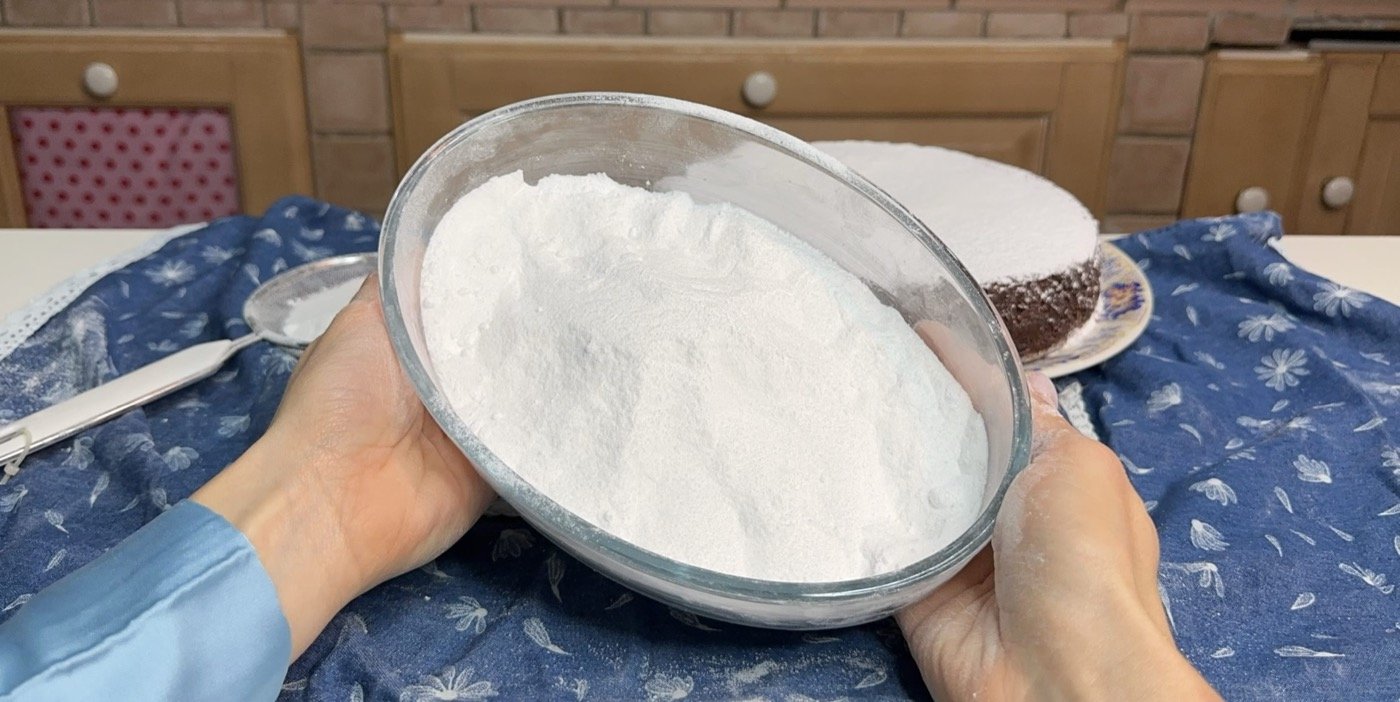
If you have ever tried to make a smooth glaze or dust a cake with regular granulated sugar, you already know why Powdered Sugar for sale exists as its own separate product. It is not just sugar ground finer, it is a specific, fast-dissolving ingredient that bakers, confectioners, and beverage manufacturers rely on because ordinary sugar simply cannot do what this does. Here is exactly what you are buying, the specs behind it, and how we supply it in bulk worldwide.
What Powdered Sugar Actually Is
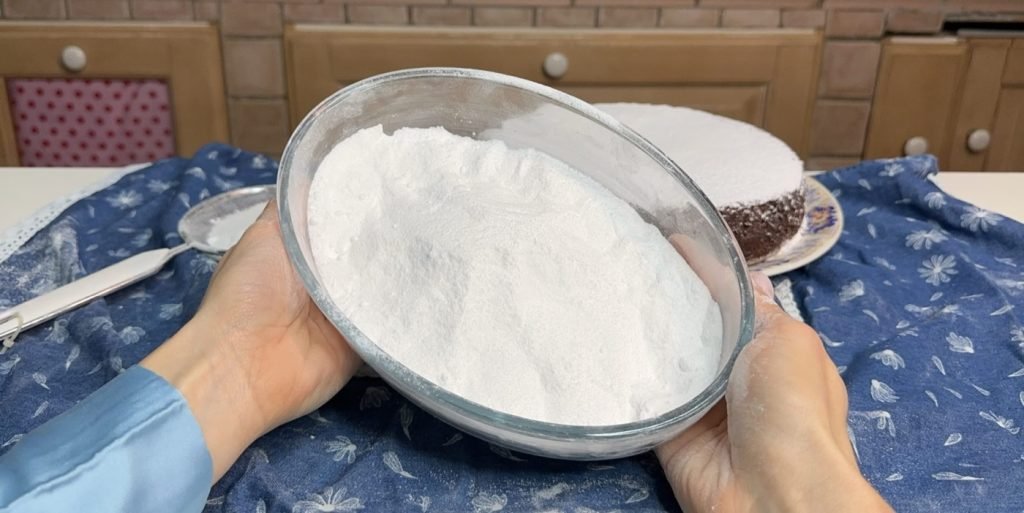
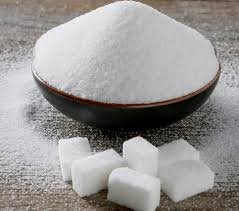
Powdered sugar, also called confectioners’ sugar or icing sugar, is granulated sugar milled down into an extremely fine powder, fine enough that it dissolves almost instantly in liquid or blends smoothly into a glaze without any graininess. Because sugar this fine tends to clump and absorb moisture from the air, a small amount of anti-caking agent, usually cornstarch, is mixed in to keep it free-flowing in storage and use. That combination of fineness and anti-caking additive is what separates powdered sugar from simply crushed granulated sugar.
Specifications
- Type: finely milled refined cane sugar with anti-caking agent
- Anti-caking agent: cornstarch, typically 2–3%
- Fineness: 95%+ passing through a fine mesh sieve
- Moisture: 0.5% max
- Color: bright white
- Packaging: 500g, 1kg, 5kg retail bags, 25kg bulk bags, or 1,000kg jumbo bags
- Shelf life: 18 months in sealed, dry storage
- Origin: Thailand, cane-derived
A Short History Worth Knowing
Powdered sugar became commercially practical once milling equipment advanced enough to grind sugar down to a fine, consistent powder rather than relying on manual grinding, which was slow and produced inconsistent results. Confectioners had wanted a smoother, faster-dissolving sugar for icing and candy work long before the equipment existed to produce it reliably at scale, so the shift to industrial milling was a genuine turning point for the baking and confectionery trades. You can read more about how sugar refining and processing evolved on the Wikipedia page on sugar refining, which covers the broader industrial history behind products like this one.
Why the Fineness Actually Matters
A lot of buyers new to sourcing assume powdered sugar is interchangeable with finely ground granulated sugar, but the difference in application is significant. Granulated sugar, even crushed at home, retains a slightly gritty texture and dissolves too slowly for a smooth icing or glaze, leaving a grainy finish that professional bakers cannot use. Powdered Sugar for sale is milled to a fineness that dissolves essentially on contact with liquid, which is exactly what a glaze, buttercream, or dusting application needs. The anti-caking agent is just as important as the fineness itself, since without it, a powder this fine would absorb ambient moisture and turn into a solid block within weeks of packaging.
Our Powdered Sugar for Sale
We mill this from the same quality refined sugar used in our white sugar line, run through additional processing to reach the fine, consistent texture this product requires. Every batch is tested for fineness, moisture, and anti-caking agent ratio before it ships, because getting any of those three slightly wrong produces a product that clumps in storage or leaves a gritty texture in use, both of which are dealbreakers for confectionery buyers. We pack in a range of sizes from small retail bags up to bulk jumbo bags, since our buyers range from bakeries dusting individual pastries to industrial confectioners running full production lines.
How Powdered Sugar Is Made
Refined granulated sugar goes through a hammer mill or similar fine-grinding equipment that reduces the crystal size down to a powder far finer than anything achievable with standard granulation processes. The anti-caking agent is blended in during or immediately after milling, ensuring even distribution throughout the batch rather than settling unevenly, which would cause some portions of a bag to clump while others stay loose. The finished product is then sieved to confirm fineness consistency before packaging, since even small variations in particle size affect how it performs in a professional kitchen or production line.
Uses and Applications
Powdered Sugar for sale shows up anywhere a smooth, fast-dissolving sugar matters more than texture from granules. Bakeries use it in buttercream frosting, glazes, and fondant, where any graininess would be immediately noticeable in the finished product. It is the standard choice for dusting finished pastries, cakes, and desserts, giving that clean white finish without altering the surface texture. Confectioners use it in candy-making where a smooth mouthfeel depends on the sugar dissolving completely rather than leaving crystalline texture behind. Beverage manufacturers occasionally use fine powdered sugar in specialty drink mixes where rapid dissolution matters more than with standard beverage applications.
Storage and Handling
Even with the anti-caking agent included, powdered sugar is more moisture-sensitive than granulated sugar simply because of how fine it is, with more surface area exposed to ambient humidity. Keeping bags sealed until use and storing them in a cool, dry space prevents the clumping that humid conditions can cause. Once a bag is opened, transferring any unused portion to an airtight container extends its usable life considerably compared with leaving a partially used bag loosely closed. Under proper storage conditions, our Powdered Sugar for sale holds its quality for 18 months from the production date.
A Note on the Anti-Caking Agent
Some buyers ask whether they can get powdered sugar without the cornstarch additive, and while it is technically possible to mill pure sugar this fine, the product would clump within days of packaging under normal humidity conditions, making it impractical for shipping or storage at any real scale. The 2 to 3 percent cornstarch ratio we use is standard across the confectionery industry and does not meaningfully affect flavor or performance in the vast majority of applications. Buyers with specific dietary or allergen concerns about cornstarch should let us know, since alternative anti-caking agents exist and can sometimes be arranged for larger orders.
Quality Control Before Every Shipment
We test fineness through mesh sieving, check moisture content, and confirm the anti-caking agent ratio on every batch before it ships. A batch that does not pass fineness testing gets re-milled rather than shipped, since sending an inconsistent product to a confectionery buyer would undercut the exact reason they chose powdered sugar over standard granulated sugar in the first place. Lab results travel with the shipping documentation so your quality control team has a reference the moment the container arrives.
Comparing Powdered Sugar to Our Other Products
If your business needs sugar for multiple applications, it helps to think about what each product is actually built for. Powdered Sugar for sale is purpose-built for glazes, icing, and dusting where fineness and rapid dissolution matter most. Our White Sugar for sale covers general granulated needs across baking and beverage production. If your product line also needs a flavor-forward option, our Brown Sugar for sale and Demerara Sugar for sale pages cover those cases with the same specification detail.
Why Buyers Choose to Work With Us
Milling consistency is the whole game with powdered sugar, and we have built relationships with mills that can hit the same fineness and anti-caking ratio shipment after shipment rather than drifting over time. If your business sources other commodities alongside sugar, our ICUMSA Sugar for sale page covers buyers who need a specific color grade, and our rice range, including Jasmine Rice for sale, follows the same level of documented, tested specification.
Frequently Asked Questions
What is the difference between powdered sugar and granulated sugar ground at home?
Home-ground sugar retains a gritty texture and dissolves too slowly for icing or glaze work, while our Powdered Sugar for sale is milled to a professional fineness with an anti-caking agent to prevent clumping.
Why does powdered sugar contain cornstarch?
Cornstarch keeps the extremely fine sugar particles from absorbing moisture and clumping into a solid block during storage and shipping.
Can I get powdered sugar without cornstarch?
It is possible for larger orders with advance notice, though standard cornstarch-blended powdered sugar is what most confectionery buyers use without issue.
What packaging sizes are available?
We offer 500g and 1kg bags for smaller bakery or retail use, 25kg bulk bags for commercial kitchens, and 1,000kg jumbo bags for industrial confectionery buyers.
How should powdered sugar be stored after the bag is opened?
Transfer any unused portion to an airtight container and keep it in a cool, dry space to prevent moisture absorption and clumping.
How long does Powdered Sugar for sale stay usable in storage?
Sealed and stored properly, it holds its quality for 18 months from the production date.
Why Thailand for Sugar Sourcing
Thailand’s cane sugar industry gives us a reliable base of refined white sugar to mill down into powdered sugar, and that reliability at the raw material stage carries through to the finished product’s consistency. Milling equipment and expertise matter here too, since achieving the fine, even texture confectionery buyers expect takes more than just running sugar through a grinder, it takes calibrated equipment and consistent process control. Buyers who have sourced powdered sugar from multiple origins tell us that milling consistency, more than raw sugar quality alone, is what separates a reliable supplier from an inconsistent one in this category.
Quality Control, Step by Step
Before committing to a production run, we test a sample against fineness, moisture, and anti-caking agent specifications. If a sample runs coarser than spec or the anti-caking ratio is off, production does not proceed until it is corrected. Once the actual order is milled, we sample again before packaging, and those results travel with the shipment. This matters because powdered sugar that does not meet fineness spec is functionally useless to a confectionery buyer, who cannot use a gritty product in a smooth icing or glaze, so we would rather catch any inconsistency here than have a client discover it mid-production.
Common Mistakes Buyers Make When Sourcing Powdered Sugar
The most common mistake is assuming all powdered sugar is interchangeable regardless of source, when fineness and anti-caking ratio can vary meaningfully between suppliers and directly affect performance in a recipe. A second frequent issue is underestimating how humidity during shipping can affect even properly milled powdered sugar if packaging is not sufficiently moisture-resistant. A third mistake is not requesting fineness test documentation upfront, leaving a buyer with no clear benchmark if a shipment performs differently than expected. Specifying your intended application and requesting fineness testing upfront prevents most of the issues we hear about from newer confectionery and bakery buyers.
Order Process From Quote to Delivery
Once you confirm your target volume, packaging preference, and destination port, we typically return a formal quote within one to two business days covering unit price, packaging, and an estimated freight figure. After you confirm the order and payment terms, milling and testing begin, and we send progress updates so you are not left wondering where things stand. Standard export documentation, including fineness and moisture test results, ships with the container, and we remain reachable through transit in case your customs broker or production team needs anything clarified.
A Note on Pricing
Powdered sugar typically costs somewhat more than the granulated sugar it is milled from, reflecting the additional processing step and the anti-caking agent blended in. We are upfront about what drives any change in quoted price, whether that is the underlying sugar commodity market, milling costs, or packaging requirements, rather than leaving buyers to guess. Buyers ordering larger volumes or committing to repeat shipments over several months typically secure more favorable terms, so it is worth discussing your expected order pattern even for a smaller first order.
Working With a Trading Partner, Not Just a Supplier
Buyers who treat a first powdered sugar order as a one-off transaction often find themselves starting the sourcing process over from scratch a few months later. We prefer building a relationship that runs the same way every time, with a fixed contact, known packaging preferences, and a documentation package that does not need to be rebuilt from zero each order. If you expect to order Powdered Sugar for sale on a recurring production schedule, let us know early so we can plan milling capacity around a known order calendar, which tends to shorten lead times compared with ad-hoc ordering.
Documentation We Provide
Beyond the fineness and moisture test results already mentioned, a standard export package includes a certificate of origin, a phytosanitary certificate where your destination market requires one, a packing list, a commercial invoice, and a bill of lading. If your customs process or food safety requirements call for additional documentation, let us know as early as possible, since some certificates take longer to arrange than the shipping timeline itself and we would rather plan for that upfront than scramble right before loading.
Freight, Customs, and Realistic Lead Times
Ocean freight for Powdered Sugar for sale typically takes two to six weeks depending on destination port, and we factor that into every quote so buyers can plan production schedules around a realistic delivery window rather than an optimistic one. Customs requirements vary by market, and since this product includes an added ingredient, the cornstarch anti-caking agent, some destination countries treat it slightly differently for import documentation than plain refined sugar, so we confirm your specific market requirements early rather than assuming standard paperwork covers everything. Buyers ordering for the first time should plan around the full door-to-door timeline, including loading and port handling, not just the sailing time between origin and destination.
Custom Fineness and Formulation Requests
Some manufacturers, particularly those with an existing product formulation, ask about custom fineness levels or anti-caking ratios that differ from our standard specification. We can accommodate this for sufficient order volumes, working with our milling partners to hit a specific particle size target or adjust the anti-caking ratio to match what a buyer’s existing recipe calls for. If your production process depends on a specific fineness outside our standard range, share your target specification early so we can confirm whether a custom-milled batch of Powdered Sugar for sale is workable at your order volume.
Requesting a Sample Before a Full Order
For buyers who have not worked with us before, we can usually arrange a small sample of Powdered Sugar for sale ahead of a full commercial order, particularly for confectionery and bakery buyers who need to test fineness and performance in their own recipe before committing to a container load. This is a normal step in commodity sourcing and one we would rather encourage than skip, since a sample that performs well in your kitchen or production line gives everyone more confidence than a spec sheet alone. Sample requests do add a small amount of lead time ahead of a full order, so factor that into your planning if testing before committing matters for your business.
Getting a Quote
Send us your target volume, packaging preference, and destination port, and we will return a quote covering unit price, packaging, and estimated freight within a couple of business days. If you are not sure what fineness or packaging fits your production line, describe your application and we can point you toward what similar confectionery and bakery buyers have used successfully. Either way, you will get a clear spec sheet and Powdered Sugar for sale that performs exactly as quoted in your kitchen or production line.

Reviews
There are no reviews yet.