
Description
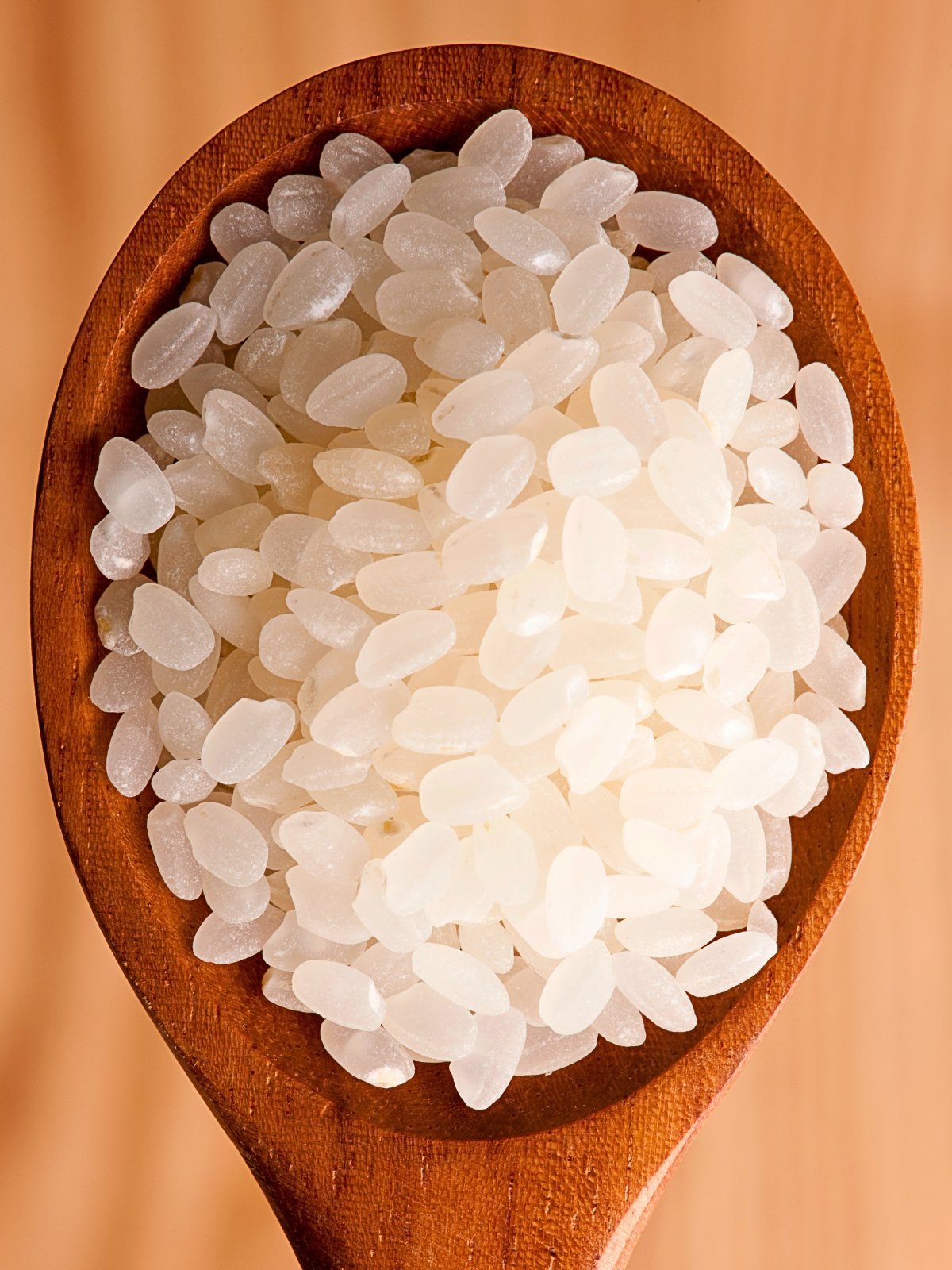
If you’re looking for Short-Grain Rice for sale in bulk, this is our round, plump line built for dishes that need the grain to actually hold together, sushi, onigiri, rice balls, porridge, and desserts where a cohesive, slightly sticky bite is the whole point. DThai Company Limited mills it from paddy grown in Chiang Rai, Thailand, and ships it to sushi restaurants, foodservice distributors, and specialty grocers worldwide.
What Makes This Short-Grain Rice for Sale Different
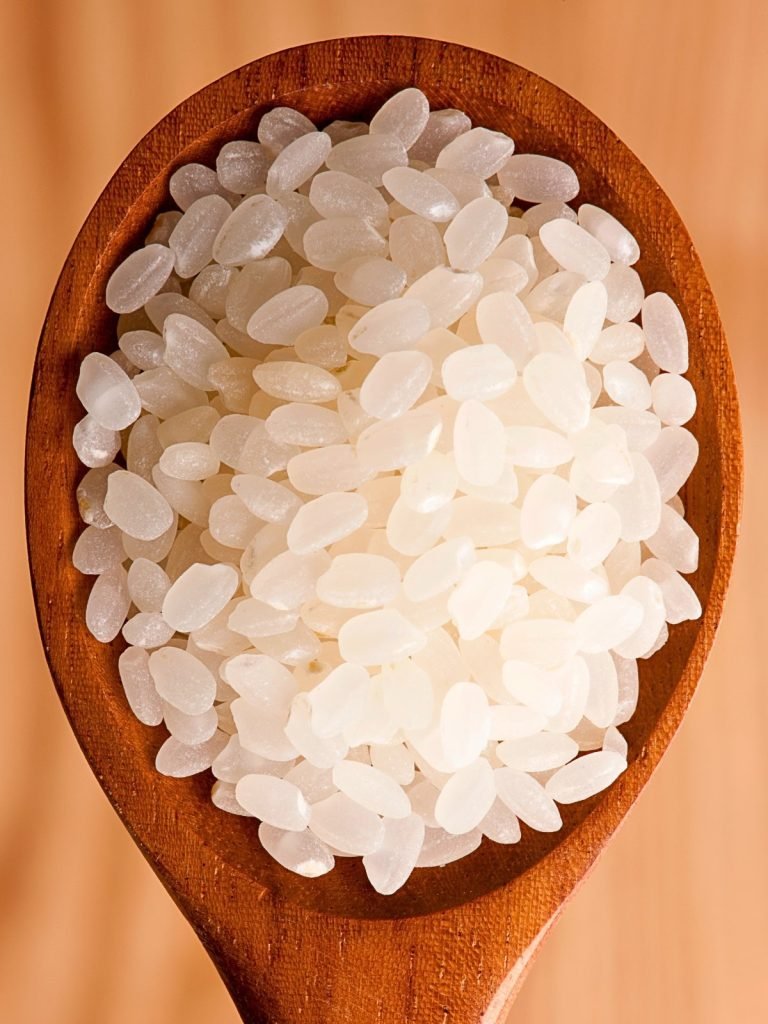
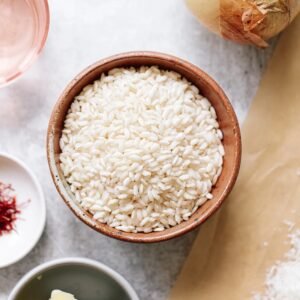
The grain is nearly round, almost as wide as it is long, which is what gives it that higher surface starch release and cohesive texture once cooked. It’s stickier than our medium-grain line but not fully glutinous like our sticky rice, sitting in its own distinct texture category that’s specifically suited to shaping, molding, and dishes eaten with chopsticks or by hand rather than served loose on a plate.
Specifications
- Variety: Short-grain paddy rice
- Moisture: 14% max
- Broken grains: 5% max, also available at 10% on request
- Admixture: 0.2% max
- Milling: Well-milled, sortex-cleaned
- Grain length: 4.5 to 5.5 mm average
- Crop: Current season
- Shelf life: 12 to 18 months, stored dry and sealed
- Packing: 5kg, 25kg, 50kg PP bags, or 1,000kg jumbo bags; private label available
- Loading: FCL preferred, LCL available for trial orders
A Short History of Short-Grain Rice for Sale Worldwide
Short grain rice has been the foundation of Japanese cuisine for centuries, and its cultivation spread from East Asia into California and other rice-growing regions once demand for sushi and other short-grain-dependent dishes went global in the 20th century. The variety was bred specifically for stickiness and shape retention, traits that matter enormously for hand-formed and molded rice dishes but would be a defect in a pilaf or a rice bowl meant to stay loose.
Nutritional Profile
Per 100g cooked, short-grain white rice runs close to 130 to 140 calories, with about 29g of carbohydrate and roughly 2.5g of protein, broadly similar to our other milled white rice nutritionally. The real distinction from our other lines is entirely in starch structure and cooking behavior, not nutrition.
How This Short-Grain Rice Is Grown and Milled
We source paddy from the same growing region as our other lines, hulled and milled through multiple passes, then sortex-sorted with tighter tolerances on grain shape than our long or medium grain products, since roundness and uniform size directly affect how evenly the rice cooks and how well it holds together once shaped.
Short-Grain Rice vs. Other Rice We Sell
Compared to our Medium-Grain Rice, this holds together much more firmly once cooked and is the better choice for anything that needs to be shaped or molded. Compared to our Glutinous Rice (Sticky Rice), it’s noticeably less sticky, glutinous rice is nearly pure amylopectin starch and gets used for a different category of dish entirely, think mango sticky rice rather than sushi. Buyers sourcing Short-Grain Rice for sale are almost always working with a specific technique, shaping, molding, or sushi preparation, in mind.
Grading Standards, Explained
The same terminology applies here as across our commodity rice: broken percentage, admixture, and moisture content against standard export thresholds, though grain uniformity matters more for this specific product than broken percentage alone, since an inconsistent batch cooks unevenly and won’t hold shape reliably.
Where Short-Grain Rice Gets Sold and Used
This line moves almost entirely through Japanese and broader Asian foodservice channels, sushi restaurants, specialty grocers, and foodservice distributors supplying them. Demand for Short-Grain Rice for sale tracks the international growth of sushi and Japanese dining specifically, restaurant groups expanding, specialty grocers adding a proper sushi rice next to other Asian ingredients.
Sustainability and Farming Practices
The paddies behind this line are the same smallholder, largely rain-fed operations supplying our other rice. Batch sizes run smaller than our commodity long-grain line given the more specific demand, which keeps stock fresher and turning over rather than aging in storage.
Common Mistakes First-Time Buyers Make
The most common mistake is assuming any short or round grain rice will work for sushi, grain uniformity and starch consistency matter enormously for proper sushi rice texture, and a cheaper, less consistent short grain can leave a sushi chef with rice that won’t hold its shape. The second is skipping a kitchen test before committing to volume, restaurant groups especially should run a batch through their actual prep process first. The third is confusing this with glutinous rice, they look similar on a spec sheet but behave very differently once cooked.
Frequently Asked Questions, Continued
Is this genuine sushi rice?
It’s short-grain rice suited to sushi preparation, milled and graded for the uniformity that sushi requires. We’d recommend a sample test in your own kitchen before committing to volume, since sushi chefs are particular about texture for good reason.
What’s the difference between this and Japanese-grown short grain rice?
Growing region differs, but the variety type and processing standards are equivalent. Many foodservice buyers find it performs identically at a more accessible price point, though we’d always suggest testing rather than taking our word for it.
Can this be used for risotto?
Not ideally, the starch profile is built for stickiness and shape retention rather than the slow creamy release arborio provides. Our Arborio Rice for sale is the better choice for risotto specifically.
Packaging and Labeling Options in Detail
Standard packaging is 5kg, 25kg, and 50kg woven PP bags, with 1,000kg jumbo bags for larger buyers. Custom bag printing is available for private label orders, and because grain freshness affects starch performance, we mill closer to your ship date rather than holding large finished stock aging in a warehouse.
Blending and Custom Specifications
Some buyers ask about blending short-grain with a small percentage of a different grain to hit a specific price point, we’d advise against it for this specific product, since even a small amount of a different starch profile mixed in noticeably changes cooking behavior and can throw off a sushi chef’s results. If cost is the concern, we’d rather discuss broken grade or bag size adjustments than compromise the grain itself.
Rice Trade Terminology Worth Knowing
FOB means the price covers the rice loaded onto the vessel at a Thai port, with the buyer arranging ocean freight from there. CIF means we arrange and include ocean freight and insurance to your destination port. MOQ is minimum order quantity, one 20ft container for full pricing, with smaller trial quantities available for new foodservice accounts.
What to Ask Before You Commit to a Supplier
Ask any supplier, including us: Can I get a sample large enough to run an actual kitchen test? What’s your grain-size uniformity tolerance? What happens if a batch doesn’t perform the way the sample did? Who’s milling this, and what quality controls are in place? We’ll answer all four honestly, and we’d encourage asking the same of anyone else you’re comparing us against.
Regional Varieties Worth Knowing
Short-grain rice gets marketed under various cultivar names depending on origin, Koshihikari and Akitakomachi from Japan, Calrose-adjacent short grain from California, and simply short-grain in most general commodity trade. These aren’t necessarily identical genetics, but they occupy the same texture category. If your destination market or menu specifically references a named cultivar, tell us and we’ll advise honestly on how closely our rice matches that expectation rather than just agreeing to the label.
A Final Note Before You Order
Short-grain rice is a technique-driven product, buyers come to us because a specific dish demands this exact texture, not because they’re comparing general commodity pricing. Run the kitchen test, confirm grain uniformity matches what you need, and only then commit to volume, a sushi chef who’s happy with the rice becomes a repeat buyer for years.
Cooking Notes Worth Passing to Your Customers
Standard ratio is close to 1:1.1 rice to water for sushi rice specifically, rinsed thoroughly before cooking to remove surface starch, then seasoned with vinegar, sugar, and salt while still warm. For porridge or congee-style dishes, a much higher water ratio is used instead. The right technique varies significantly by end dish, which is worth clarifying with any customer-facing recipe copy.
Freight, Loading, and Container Planning
A standard 20ft container holds roughly 24 to 27 tonnes of bagged rice depending on bag size and stacking pattern, though most Short-Grain Rice for sale orders on this line run smaller given the more specific foodservice demand. We can load mixed pallets if you’re combining short-grain with another line from our catalog, which is common for buyers running a varied Asian ingredient range rather than a single SKU. Flag any destination-specific fumigation or container requirements before booking.
Sourcing for Restaurant Groups vs. Retail
Restaurant groups typically order against a very specific kitchen use, sushi prep primarily, and care most about grain uniformity and starch consistency batch to batch. Specialty grocers stocking short-grain rice for retail resale care more about clear labeling explaining what the rice is for, since most general shoppers default to long or jasmine rice unless they specifically know to look for a sushi-style short grain. We’ll ask which category you’re buying for, since it changes what we’d recommend on grade and packaging.
Quality Control and Traceability
Every batch of short-grain rice we export is traceable back to the mill lot it came from, with records of moisture readings, broken grain percentage, and grain-size uniformity for each shipment. Given how much texture and consistency matter for sushi applications specifically, our sorting checks run tighter here than on our general commodity lines.
Why International Buyers Work With Us
We’re not a trading house reselling rice we’ve never seen. DThai Company Limited operates out of Chiang Rai, close to the mills and the paddies, which means we can answer questions about a specific crop, inspect a lot ourselves before it ships, and catch a quality issue before it becomes your problem. Restaurant groups and specialty grocers across multiple regions keep reordering because the texture is consistent, batch after batch.
Frequently Asked Questions
What’s the minimum order for this Short-Grain Rice for sale?
One 20ft container FOB Thailand, though smaller trial quantities are available for new foodservice accounts testing the product first.
Do you ship short-grain rice worldwide?
Yes, mostly to sushi restaurants and specialty grocers across multiple regions.
Can you do custom or private label packaging?
Yes. We handle bag printing and custom packaging specs for buyers who want their own brand on the bag.
Do you offer sample bags before a full order?
Yes, we can send a pre-shipment sample along with a certificate of analysis before you commit to a full container.
Lead Times and Shipping
Once a deposit clears, we typically load and ship within 10 to 18 days. Transit time after that depends on your port, from about a week for regional Asian routes to five or six weeks for the Americas. We’ll give you a realistic date up front and flag it immediately if anything slips.
Ordering
Minimum order is one 20ft container FOB Thailand, with smaller trial quantities available for new foodservice accounts testing the product before committing to volume. Get in touch with your target volume and destination and we’ll quote Short-Grain Rice for sale within a business day.
Payment and Documentation
We work with T/T, 30% deposit and balance against shipping documents, as our standard, and L/C for larger repeat orders. Every shipment includes a certificate of origin, phytosanitary certificate, and fumigation certificate, with third-party inspection available on request.
Reviews
There are no reviews yet.