If you’ve been reading supplier pages for a while, you’ve probably noticed that almost everyone in this trade calls themselves a “Thai rice supplier and exporter.” It’s become one of those phrases that gets slapped on a homepage without much thought to what it should actually mean. A supplier mills or sources the rice. An exporter handles the paperwork, the port, the container, and getting it legally out of the country. Plenty of companies do one of those jobs well and outsource the other quietly, which is fine, except most of them don’t tell you that’s what’s happening.
We’re DThai Company Limited. We mill and export rice out of Chiang Rai, Thailand, and we handle both halves of that phrase ourselves, so we obviously have a stake in explaining why the distinction matters. But this isn’t just us saying “pick us.” It’s a rundown of what each job actually involves, how to tell whether a company claiming to be a Thai rice supplier and exporter is really doing both, and what you should be asking before you commit a deposit to anyone, us included.
Table of Contents

What “Thai Rice Supplier and Exporter” Should Actually Mean
Supplier and exporter aren’t the same job, even though the trade talks about them like they are. A supplier is the party that actually controls the rice, whether that’s a mill running its own paddy intake and processing line, or at minimum a company with direct, verifiable access to a specific mill’s output. An exporter is the party that gets that rice legally and physically out of Thailand: export licensing, customs declarations, fumigation, the freight booking, the bill of lading, all of it.
A company that’s genuinely a Thai rice supplier and exporter does both under one roof, which means one point of contact who can answer a milling question and a shipping question in the same email. A company that’s only one half of that, dressed up as both, usually reveals itself the moment you ask something specific about the side they don’t actually control.
Why the Distinction Matters More Than It Sounds
It matters because the two roles fail in different ways, and you want to know which failure you’re exposed to before a container is halfway across the ocean. A supplier problem shows up as a spec mismatch: wrong moisture, wrong broken percentage, rice that doesn’t match the sample you approved. An exporter problem shows up as a logistics problem: missing documentation, a fumigation certificate that wasn’t ready in time, a shipment held at the destination port because paperwork didn’t match the cargo.
When one company handles both, accountability doesn’t get split between two businesses pointing fingers at each other. When it doesn’t, and something goes wrong, you can spend more time figuring out whose fault it was than actually fixing it. That alone is worth checking before you send money anywhere.
The Two Jobs a Real Thai Rice Supplier and Exporter Handles at Once
It’s worth breaking these apart properly, because a lot of the confusion in this trade comes from treating them as interchangeable.
Sourcing and Milling
This is the part where rice actually gets grown, dried, milled, cleaned, and graded to a specification. A company doing this properly can tell you which region the paddy came from, what the current crop’s moisture and broken percentages look like, and roughly when the batch you’re being quoted was actually milled. If a supplier can’t answer these without checking with someone else first, they’re probably not the ones running the mill.
Export and Logistics
This is everything that happens after the rice is bagged: booking space with a shipping line, preparing the certificate of origin and phytosanitary certificate, arranging fumigation, coordinating container loading, and making sure the documents that travel with the shipment actually match what’s inside it. A company handling this in-house should be able to quote you a realistic loading window and transit time without vague hedging.
How to Tell If a Company Genuinely Does Both
Ask direct questions and pay attention to how specific the answers are. Ask which mill processes the rice and whether it’s owned or contracted. Ask who prepares the export documentation, an in-house team or a third-party forwarder they coordinate with occasionally. Neither answer disqualifies a company automatically, since plenty of legitimate operations work with an outside freight forwarder for the shipping mechanics while still controlling the product end to end. What matters is whether they’re upfront about it.
A company that gets vague or defensive when you ask who actually mills the rice, or who’s cagey about which forwarder handles their bookings, is usually a company relaying information secondhand from someone else. That’s not automatically dishonest, but it does mean you’re one extra layer removed from whoever actually controls quality and timing.
Rice Varieties and Specifications We Supply and Export
Whatever the sales pitch says, ask for numbers. We mill twelve grades ourselves out of Chiang Rai, and here’s what we quote on our core export lines, the kind of detail any legitimate Thai rice supplier and exporter should be able to hand you without hesitation:
- Hom Mali (jasmine) rice: 14% moisture max, 5% broken max for premium grade, 0.2% admixture max, grain length 6.8 to 7.2mm
- Long-grain white rice: 14% moisture max, 5% broken standard, 10% and 25% available on request, 0.2% admixture max
- Parboiled rice: 13% moisture max, 5% broken standard, light amber color from steaming, 18 to 24 month shelf life
- Brown rice: 14% moisture max, minimal polishing, sold with a shorter recommended shelf life than milled white rice
- Medium and short-grain rice: available on request with the same moisture and admixture tolerances as our long-grain line
- Glutinous (sticky) rice: separate processing line to avoid cross-contamination with non-glutinous varieties
- Milling standard: double-polished, sortex-cleaned across all grades
- Packing: 5kg, 25kg, 50kg bags, or 1,000kg jumbo bags, with private label options available on request
If a quote comes back missing most of these numbers, or answers them in vague marketing language instead of figures, that’s usually a sign you’re dealing with someone reselling a generic listing rather than a company that actually controls the batch.
Documentation Every Shipment Should Include
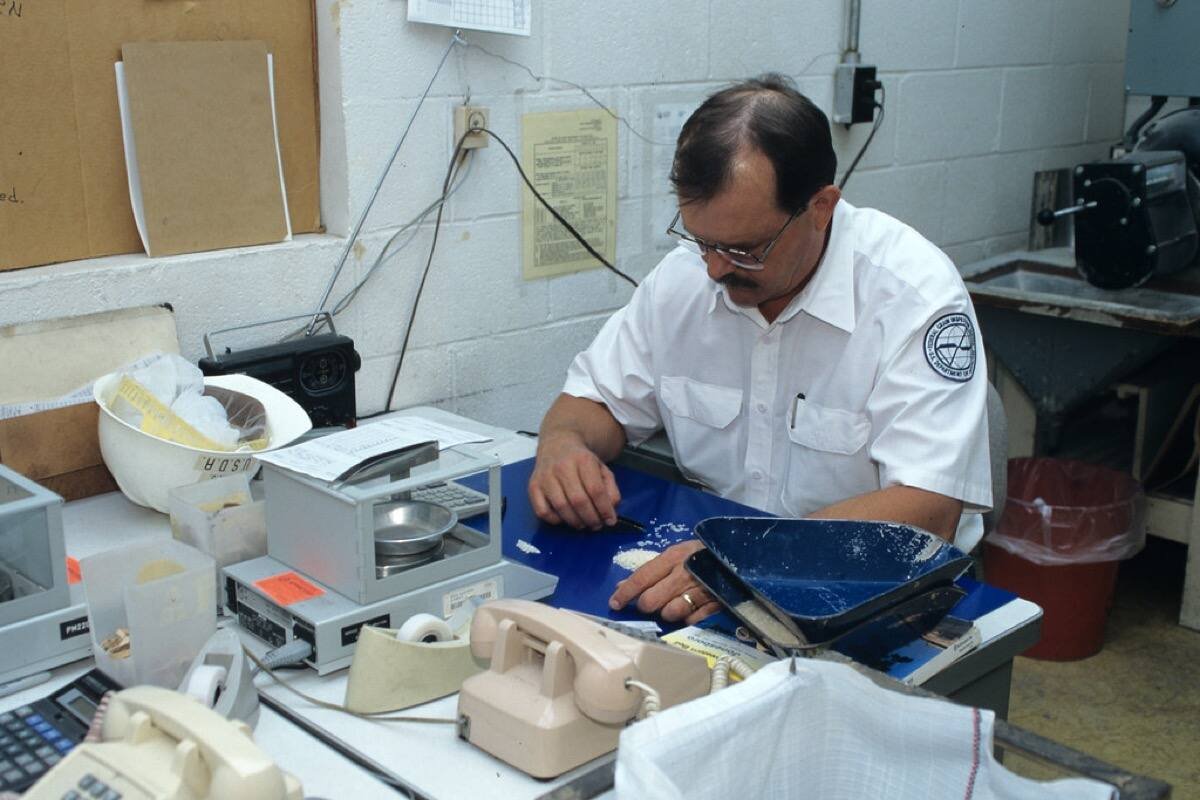
At minimum, expect a certificate of origin, a phytosanitary certificate, and a fumigation certificate on every container. Third-party inspection through a company like SGS is normal to request, and any legitimate Thai rice supplier and exporter should be able to arrange it without pushing back. If you need something specific for your destination market, health certificates or halal certification for example, raise it early rather than after the container has already loaded.
Get your certificate of analysis before the shipment leaves, not after it arrives. That gap is exactly where disputes happen, because once rice is mixed into your own inventory, proving it didn’t match what was promised gets a lot harder.
Shipping Terms, Ports, and Realistic Timelines
Pricing is usually quoted FOB from a Thai port, most often Bangkok or Laem Chabang, or CIF once your destination port is known. The Incoterms rules published by the International Chamber of Commerce define exactly where responsibility for freight and insurance shifts from seller to buyer under each term, and it’s worth a careful read before you sign anything, since misreading an Incoterm on a container-sized order is a genuinely expensive mistake.
Loading typically happens within 10 to 20 days of a cleared deposit, depending on whether bagged stock is already sitting ready or needs to run through a fresh milling batch. Transit after that depends entirely on destination: regional Asian ports can see a shipment in about a week, while ports further out, whether that’s West Africa, the Middle East, Europe, or the Americas, typically run three to six weeks depending on routing.
Payment Terms Buyers Should Expect
T/T with roughly a 30% deposit and the balance against shipping documents is standard for a new buyer working with a Thai rice supplier and exporter for the first time. Letters of credit tend to show up once there’s a repeat order history between buyer and seller. Neither should feel unusual if you’ve bought internationally before, and a company pushing hard for full payment upfront on a first order, especially one that’s also been vague about milling or documentation, is worth a second look.
Why Splitting Supplier and Exporter Roles Usually Costs You More
Some buyers deliberately work with one company for sourcing and a separate freight forwarder or trading house for the export side, usually because they’ve built a relationship with a specific mill and want their own logistics partner handling the shipping. That can work, but it adds coordination overhead you’re responsible for, and it means two invoices, two points of failure, and nobody who owns the whole outcome if something slips between the two.
Working with a company that’s genuinely both a Thai rice supplier and exporter removes that seam. One quote covers product and freight, one team answers both kinds of questions, and if a shipment runs late, there’s no ambiguity about who’s supposed to be fixing it. For a first order especially, that simplicity is worth more than most buyers expect going in.
Red Flags Worth Watching For
A quoted price noticeably below the rest of the market with no real explanation is the biggest one. Rice pricing moves with the crop and with freight costs, and while there’s genuine variation between suppliers, a number that’s dramatically cheaper than everyone else usually means something’s being cut, crop age, grade, or an outright substitution.
Reluctance to send a sample is another. Any legitimate mill can send a small pre-shipment sample along with a certificate of analysis before you commit to a full container. Vague answers about which mill actually processes the rice, or which forwarder actually handles the booking, should also make you pause, particularly if the same vagueness shows up more than once in the conversation.
What Actually Moves the Price
Grade is the obvious one. A 5% broken premium line costs more than a 25% broken line because tighter sorting takes more time. Crop timing matters too, since pricing right after harvest tends to run lower than pricing deep into the storage season. Packing format affects cost as well, jumbo bags run cheaper per tonne than smaller retail-ready bags, and private label printing adds cost and lead time since artwork needs approval before a print run starts.
Freight is the other half, and it has nothing to do with the rice itself. Ocean freight rates move with fuel costs and container availability, which is part of why the same FOB quote can turn into a meaningfully different landed cost depending on exactly when you book the shipment.
Why Buyers Choose Us as Their Thai Rice Supplier and Exporter
We mill twelve grades ourselves out of Chiang Rai and handle export documentation in-house, which means when you ask us a spec question or a shipping question, you’re getting an answer from the people actually running both sides, not a reseller relaying information secondhand. Our Jasmine Rice and Long-Grain White Rice are our two highest-volume export lines, and our Parboiled Rice and Brown Rice round out what most institutional and foodservice buyers order alongside them. Our full rice category page lists all twelve grades with specs for each.
If you want the deeper dive on either half of what we do, our breakdown of what makes a legitimate Thai rice supplier and our guide to working with a Thai rice exporter on container shipments both go further into each side individually than we have room for here. We ship worldwide, working regularly with buyers across West Africa, the Middle East, Europe, the Americas, and Asia, and we quote FOB Bangkok or Laem Chabang by default, with CIF pricing available once we know your destination port.
What Happens After You Place an Order
Once a deposit clears, we confirm the exact spec and crop details in writing, then move into milling or pulling from bagged stock depending on what’s available. You’ll get a pre-shipment sample and certificate of analysis before the container loads, not after. Once loading is confirmed, we prepare the certificate of origin, phytosanitary certificate, and fumigation certificate, and coordinate the booking with the shipping line for your confirmed departure window.
From there it’s a matter of transit time to your port, which we’ll estimate honestly rather than giving you a placeholder date before any of the details are settled. If your import process requires third-party inspection, we arrange it before the container leaves rather than treating it as an afterthought.
Common Mistakes Buyers Make Sourcing From a Thai Rice Supplier and Exporter
Ordering on price alone without asking who actually mills the rice is the most common one. A quote can look perfectly reasonable on paper while the company behind it has never set foot in the mill it’s sourcing from, and you won’t find that out until there’s a problem to trace back. Skipping the sample stage to save a week or two is another, a short cook test tells you more about a batch than any spec sheet, and it’s a small delay measured against the size of a full container order.
Not getting broken percentage and admixture numbers in writing before the container ships causes more disputes than almost anything else. A verbal quote on a call isn’t the same as a number on an invoice, and the gap between the two is exactly where disagreements happen once a shipment lands and something doesn’t match. The fourth mistake, more specific to buyers new to this trade, is assuming “supplier and exporter” on a website automatically means both jobs are handled in-house. Sometimes it does. Often enough it doesn’t, and the only way to know is to ask directly.
Working With First-Time Buyers Versus Repeat Importers
A first-time buyer and a company that’s imported forty containers of rice need different things from a Thai rice supplier and exporter, even when they’re ordering the exact same grade. A first-time buyer usually needs more hand-holding on documentation, a clearer explanation of Incoterms, and more patience around questions that a repeat importer wouldn’t think to ask because they already know the answers. None of that should feel like a burden to a supplier who actually wants the business, and if it does, that’s worth noticing.
Repeat importers tend to move faster and negotiate more on price once there’s a track record, and a good supplier adjusts to that without cutting corners on documentation just because the buyer is familiar with the process. We treat both the same way on the fundamentals, sample before commitment, numbers in writing, documentation before the container leaves, because the size of the relationship shouldn’t change whether those basics happen.
A Quick Vetting Checklist
Before you commit a deposit to any company claiming to be a Thai rice supplier and exporter, run through this. Ask which mill processes the rice and whether it’s owned or contracted. Ask who prepares export documentation and whether it’s handled in-house. Confirm moisture, broken percentage, and admixture numbers in writing for your specific grade. Ask for a pre-shipment sample and certificate of analysis. Confirm the port of loading and whether pricing is FOB or CIF. Ask what payment terms they use with new buyers, and be wary of anyone demanding full payment upfront with no documentation trail.
Frequently Asked Questions
What’s the difference between a rice supplier and a rice exporter?
A supplier controls the sourcing and milling of the rice itself. An exporter handles the documentation, shipping, and customs process that gets it out of the country. Some companies do both, some specialize in one and work with a partner for the other.
Is it better to work with one company that’s both a Thai rice supplier and exporter?
For most buyers, yes, mainly because it removes the coordination overhead of managing two separate relationships and means one company owns the outcome if something goes wrong, rather than two businesses pointing at each other.
How do I verify a company actually mills the rice it’s selling?
Ask specific questions about the growing region, current crop status, and moisture readings. A company that actually controls the mill can answer without checking with anyone else. A reseller usually can’t.
What documents should every shipment come with?
At minimum, a certificate of origin, a phytosanitary certificate, and a fumigation certificate. Third-party inspection is available on request from most established suppliers and is worth arranging for a first order.
What’s a reasonable minimum order?
A full 20ft container, roughly 25 to 27 tonnes depending on bag size, is standard for the best FOB pricing, though many suppliers, us included, will work with smaller trial quantities for a first-time buyer.
Do you ship to buyers outside Asia?
Yes. We ship worldwide, with regular orders going to West Africa, the Middle East, Europe, and the Americas, in addition to regional buyers across Asia.
Can a Thai rice supplier and exporter handle mixed containers with more than one grade?
Usually, yes, if they mill more than one line themselves. We regularly load mixed containers combining jasmine, long-grain, and parboiled rice for buyers who want a few SKUs on one shipment instead of committing a full container to a single grade.
Finding a company that calls itself a Thai rice supplier and exporter isn’t hard, a search engine will hand you a dozen names in seconds. Finding one that’s actually doing both jobs, controlling the milling and handling the export process under one roof, takes a bit more asking. Get specific about the mill, the documentation, and who’s actually accountable if something goes wrong, and the sourcing decision stops being a gamble and turns into a relationship you can build on for the next order, and the one after that.