Description
If you have ever sourced sugar for a food company, a beverage plant, or a trading desk, you already know that “sugar” is not one product. Buyers ask for a color grade, and that grade is almost always expressed on the ICUMSA scale. We sell ICUMSA Sugar for sale in bulk to importers, distributors, manufacturers, and wholesalers around the world, and this page walks through exactly what that grading number means, what specifications you should expect, and how our supply chain out of Thailand keeps container after container consistent.
What ICUMSA Actually Means
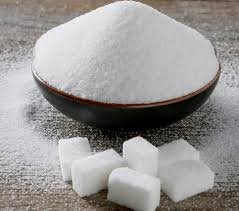
ICUMSA stands for the International Commission for Uniform Methods of Sugar Analysis, and it is the body that set the standard method for measuring how much color is left in a batch of sugar after processing. The lower the ICUMSA number, the whiter and more refined the sugar. A number in the 45 range is about as clear and white as sugar gets, while numbers climbing past 600 or 1000 describe raw or lightly processed sugar that still carries a lot of natural color from the cane. When someone asks us for ICUMSA Sugar for sale, the very first question we ask back is which number band they need, because that single figure tells us almost everything about the intended use, from tabletop sugar to industrial syrup production.
Specifications
- ICUMSA 45 (super white / refined grade), color 45 IU or lower
- ICUMSA 100–150 (plantation white grade), color 100–150 IU
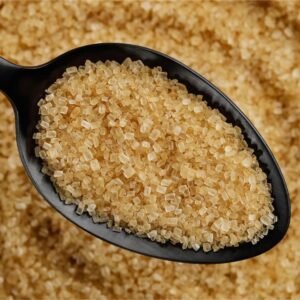
- ICUMSA 600–800 (raw/brown grade), color 600–800 IU
- ICUMSA 1200+ (very raw grade), color above 1200 IU
- Polarization: 99.7–99.9 degrees for refined grades
- Moisture content: 0.04% max on refined grades
- Sulphated ash: 0.03–0.04% max
- Grain size: fine to medium crystal, uniform sizing available on request
- Packaging: 50kg PP bags, 25kg bags, or 1,000kg jumbo bags on pallets
- Origin: Thailand, cane-derived
- Shelf life: 24 months when stored in dry conditions
- Certifications: available on request depending on grade and destination market
A Short History Worth Knowing
The scale itself dates back to work done in the sugar industry in the mid-20th century, when refiners across different countries needed a shared, testable way to describe color so a buyer in one country and a seller in another were talking about the same thing. Before that, “white sugar” was a loose description that varied wildly from one mill to the next. You can read more about how the underlying color measurement works on the Wikipedia page for sugar refining, which covers the chemistry of why raw cane juice carries color in the first place and how refining strips it out step by step. What matters for a buyer today is simpler: the number on the spec sheet is the number you can hold a supplier to, batch after batch.
Why the Number Matters More Than the Word “Sugar”
A trader who orders “white sugar” without specifying a grade is leaving room for a supplier to send something technically white but nowhere near food-grade clarity. That is the whole point of asking for ICUMSA Sugar for sale by number rather than by a vague description. ICUMSA 45 is what most people picture when they think of pure white table sugar, the kind used in bottling plants, confectionery, and retail packaging where visual clarity and taste neutrality both matter. ICUMSA 100 to 150 is often called plantation white or mill white, and it is common in domestic markets and in industries where the sugar gets dissolved or cooked anyway, so a slightly less refined color does not show up in the final product. Anything from 600 upward is raw or semi-refined, usually destined for further refining at the buyer’s own facility, or for markets that prefer a less processed product with a bit of natural color and molasses flavor still present.
Our ICUMSA Sugar for Sale
We work directly with mills and processing facilities to supply ICUMSA Sugar for sale across the full range buyers typically ask for, and we do not treat this as a one-size product. Depending on the order, we can supply ICUMSA 45 refined sugar for buyers who need the whitest, cleanest grade, plantation white in the 100 to 150 range for general commercial use, or raw grades above 600 for refineries and bulk industrial buyers. Every shipment is tested before it leaves for polarization, moisture, and color, and we send the lab results along with the shipping documents so there is no guessing on the receiving end. Minimum order quantities scale with container size, and we pack in 25kg or 50kg bags for smaller buyers or 1,000kg jumbo bags for full container loads, whichever fits the receiving warehouse better.
How Buyers Should Read a Spec Sheet
When you request a quote for ICUMSA Sugar for sale, the spec sheet you get back should list the ICUMSA color value, the polarization degree, moisture percentage, and ash content at minimum. Polarization tells you the sucrose purity, and for refined grades you want to see 99.7 or higher. Moisture matters more than people expect, because sugar that carries too much moisture clumps in transit and can develop off-flavors or even microbial growth over a long shipping route. Ash content is a smaller number but it reflects mineral residue left over from processing, and lower is generally better for food-grade applications. If a supplier cannot produce these numbers on request, that is worth treating as a warning sign rather than a minor gap.
ICUMSA 45 vs 100 vs 600: Picking the Right Grade
Buyers new to sugar sourcing sometimes assume the whitest grade is always the “best” one to order, but that is not how it works in practice. ICUMSA 45 costs more to produce because it takes more refining steps, so it makes sense for products where color and clarity genuinely matter to the end customer, like bottled beverages or premium packaged sugar. ICUMSA 100 to 150 is the workhorse grade for a huge share of commercial food production, striking a balance between cost and appearance that suits baked goods, general food manufacturing, and blended products. The raw grades above 600 are usually the right call for buyers who either have their own refining capacity or who are supplying markets where a less processed, more traditional sugar is preferred. Getting this choice right before placing an order saves money and avoids paying for a level of refinement the end use does not actually need.
Applications Across Industries
Refined ICUMSA 45 sugar shows up in soft drink bottling, confectionery, pharmaceutical-grade syrups, and retail packaging where appearance is part of the product. Plantation white in the 100 to 150 range covers bakery production, general food manufacturing, dairy processing, and household consumption in many markets. The raw and semi-refined grades feed into industrial refining operations, ethanol production, animal feed supplementation, and traditional food products where a natural, less processed sugar is part of the recipe or the local preference. Because we can source multiple grades, buyers running mixed production lines often place a single order that covers more than one ICUMSA number, which simplifies logistics on their end.
Packaging and Shipping for Bulk Orders
Sugar is sensitive to moisture during transit, so packaging is not just about convenience, it is about protecting the product for weeks at sea. Our standard export packaging uses multi-layer PP bags with an inner liner that keeps humidity out, palletized and shrink-wrapped for container loading. For buyers who prefer jumbo bags, we offer 1,000kg options that reduce handling time at the destination port. Every pallet is labeled with the ICUMSA grade, batch number, and production date, so warehouse staff on the receiving end can track exactly what came in and when, which matters a lot if you are running FIFO stock rotation across multiple sugar grades at once.
Storage and Handling Once It Arrives
Once ICUMSA Sugar for sale reaches your warehouse, keeping it in a cool, dry space away from direct sunlight and strong odors will preserve both the color grade and the shelf life we quote. Sugar is porous enough to pick up smells from nearby stored goods, so warehouses that store multiple commodities in the same space should keep sugar pallets away from anything with a strong scent, like spices or cleaning chemicals. Stacking height should follow the bag manufacturer’s guidance to avoid crushing lower bags, and pallets should be rotated so older stock moves out before newer stock, particularly for buyers holding raw grades that can shift color slightly with long-term storage.
Why Buyers Choose to Work With Us
We have spent years building relationships with mills that can consistently hit the ICUMSA numbers we quote, and we test every batch rather than relying on a mill’s own certificate alone. If you are also sourcing other commodities, our catalog includes White Sugar for sale for buyers who want a fixed retail-style grade without specifying an ICUMSA number, Brown Sugar for sale for a less refined, molasses-rich product, and Demerara Sugar for sale for buyers in the specialty and premium retail space. Many of our sugar clients also import our rice range, and if that applies to your business, our Jasmine Rice for sale and Long-Grain Rice for sale pages cover the same kind of full specification detail.
Frequently Asked Questions
What ICUMSA grade do most food manufacturers order?
Most commercial food and beverage manufacturers order somewhere in the ICUMSA 45 to 150 range, depending on whether appearance is a selling point for the end product or not.
Can you supply more than one ICUMSA grade in the same shipment?
Yes, we can combine grades in one container as long as the total order meets our minimum volume per grade, which we will confirm at the quote stage.
Do you provide lab test results with each shipment?
Every shipment ships with polarization, moisture, and color test results included in the documentation package, alongside the standard export paperwork.
What is the difference between raw sugar and ICUMSA 45 sugar?
Raw sugar has gone through minimal processing and carries a high ICUMSA number along with natural molasses color and flavor, while ICUMSA 45 has been refined multiple times to remove almost all color and impurities.
What packaging options are available for smaller orders?
We offer 25kg and 50kg bags for buyers who are not yet ready for full container volumes, in addition to our standard 1,000kg jumbo bags for bulk shipments.
How long does ICUMSA Sugar for sale stay stable in storage?
Stored in a dry, cool environment away from strong odors, our sugar carries a 24-month shelf life from the production date, with refined grades generally holding their color longest.
Why Thailand for Sugar Sourcing
Thailand has been one of the world’s larger cane sugar exporters for decades, and that scale means the mills we work with are set up for consistent, large-volume production rather than small batches that vary from run to run. The growing regions have a cane cycle that supports steady output through most of the year, which keeps our supply of ICUMSA Sugar for sale reliable even during periods when other origins are dealing with weather-related shortfalls. Buyers who have sourced from multiple origins over the years often tell us that consistency, more than price alone, is what keeps them coming back to a supplier, and that consistency starts at the mill level long before a bag ever reaches a port.
Quality Control, Step by Step
Before we agree to source a shipment, the mill sends us a pre-shipment sample that goes through the same testing a buyer would run on arrival: polarization, moisture, ash, and color. We compare that sample against the grade the buyer ordered, and if anything is off, the order does not move forward until it is corrected. Once production for the actual order begins, we pull samples again at loading, and those results travel with the shipment. This is not a formality for us. Sugar that fails a buyer’s incoming inspection costs everyone time and money, and a rejected container at a foreign port is a headache nobody wants, so we would rather catch a problem here than have a client discover it after the ship has sailed.
Common Mistakes Buyers Make When Sourcing Sugar
The most frequent mistake we see is a buyer ordering by a general term like “white sugar” without pinning down the ICUMSA number, then being surprised when the color does not match what they pictured. The second most common issue is underestimating how much moisture control matters for a long ocean voyage, especially for buyers shipping to humid destination ports where poorly packaged sugar can cake or clump before it even clears customs. A third mistake is not asking for lab documentation upfront, which leaves a buyer with no recourse if the shipment does not match expectations. Asking for ICUMSA Sugar for sale with a specific number, requesting moisture-resistant packaging, and insisting on lab results before the goods ship are three simple habits that prevent almost all of the sourcing headaches we hear about from new clients.
How Sugar Cane Becomes the Grade You Order
Raw cane juice starts out cloudy and heavily colored, carrying all sorts of plant compounds that need to be removed before it becomes the clean crystal sugar most buyers picture. Milling extracts the juice, and from there it goes through clarification, evaporation, and crystallization, with each stage removing more impurities and color. Refined grades like ICUMSA 45 go through additional steps, typically involving carbonation or phosphatation along with filtration through activated carbon or bone char in some processing traditions, stripping out the last traces of color and leaving behind sucrose crystals with very little else in them. Raw and semi-refined grades stop earlier in that process, which is exactly why they retain more of the natural molasses coating and color that gives them their characteristic look and flavor.
Order Process From Quote to Delivery
Once you tell us the ICUMSA grade, quantity, and destination port, we typically turn around a formal quote within one to two business days, covering unit price, packaging, and an estimated freight cost. After you confirm the order and we agree on payment terms, production and quality testing begin, and we send progress updates so you are not left wondering where things stand. Loading and shipping documents follow standard export procedure, including the lab certificates mentioned earlier, and we stay reachable throughout transit in case customs or your receiving warehouse needs anything clarified. Repeat buyers of our ICUMSA Sugar for sale usually find that after the first order, the process gets faster because we already have their packaging preferences and documentation requirements on file.
A Note on Pricing
Sugar pricing moves with global commodity markets, so a quote we send today may differ from one sent next month, and that is true across every supplier in this industry, not something unique to us. What we can control is transparency: we will tell you what is driving a price change, whether it is the raw commodity market, freight rates, or packaging costs, rather than leaving you to guess. Buyers ordering larger volumes or committing to repeat shipments over several months often lock in more favorable terms, so it is worth discussing your expected order pattern with us even if your first purchase is a smaller trial order.
Working With a Trading Partner, Not Just a Supplier
A lot of first-time buyers treat a sugar order like a one-off transaction, and then find themselves scrambling again three months later when the next shipment needs sourcing. We would rather set up a relationship that works the same way every time, with a fixed contact, known packaging preferences, and a documentation package that does not need to be rebuilt from scratch each order. For buyers who plan to order ICUMSA Sugar for sale on a recurring basis, tell us your expected schedule early, since we can sometimes pre-arrange mill capacity around a known order calendar, which tends to shorten lead times compared with ad-hoc ordering.
Cane Sugar Versus Beet Sugar
It is worth mentioning that ICUMSA color grading applies to sugar from either cane or beet, since the scale measures color regardless of the plant it came from. Our supply is cane-derived, which some buyers specifically request because cane sugar and beet sugar can behave slightly differently in certain applications, particularly in confectionery work where crystallization behavior matters. If your business has a preference between the two, mention it when requesting a quote, since it affects which mills we source from and can occasionally affect lead time depending on the season.
Documentation We Provide
Beyond the lab test results already mentioned, a typical export package for ICUMSA Sugar for sale includes a certificate of origin, a phytosanitary certificate where the destination country requires one, packing list, commercial invoice, and bill of lading. If your customs process requires additional documentation specific to your country, let us know as early as possible in the order process, since some certificates take longer to arrange than the shipping timeline itself and we would rather build that time in upfront than scramble at the last minute.
Getting a Quote
If you already know the ICUMSA grade your production line or market requires, send us the volume you need and your destination port, and we will put together a quote that includes packaging, freight estimates, and lead time. If you are not sure which grade fits your use case, tell us what the sugar is going into and we will recommend a grade based on what we have seen work for similar buyers. Either way, we keep the process straightforward: a clear spec sheet, a fair price, and ICUMSA Sugar for sale that arrives matching exactly what we quoted.
Reviews
There are no reviews yet.