
Table of Contents
The Caribbean imports most of its rice. Between limited arable land on many islands, a shared reliance on shipped-in staples, and steady demand across a region of more than forty million people, rice is one of the highest-volume food imports across the Caribbean basin. If you’re sourcing for one island or several, finding a bulk rice supplier Caribbean distributors, wholesalers, and institutional buyers can actually depend on comes down to a handful of things: real specs, dependable shipping, and a mill that can hold quality steady across repeat containers.
We’re DThai Company Limited, and we mill rice at our facility in Chiang Rai, Thailand, exporting twelve grades from jasmine to parboiled to glutinous. We ship regularly into ports across the region, including Trinidad, Jamaica, Barbados, and Puerto Rico, and this guide pulls together what we’ve learned working with buyers across those different markets.
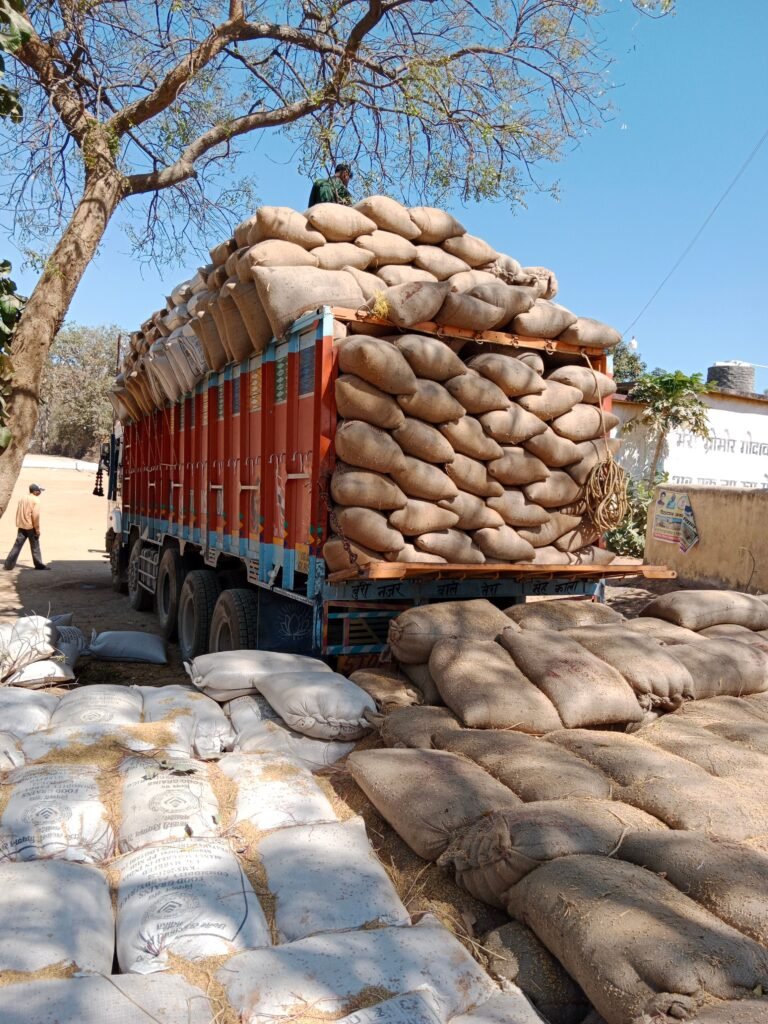
Why the Caribbean Imports So Much Rice
Rice consumption per capita across the Caribbean is high, driven by a mix of culinary tradition, a large population with South Asian and Southeast Asian heritage in countries like Trinidad and Guyana, and rice simply being an affordable, shelf-stable staple across the region generally. Domestic production exists in a few places, most notably Guyana and Suriname, which supply meaningful volume to CARICOM neighbors under preferential trade terms, but it doesn’t come close to covering total regional demand.
That gap gets filled by imports from Thailand, Vietnam, India, and the United States, competing on price, grade, and in the case of jasmine rice, on a quality regional production simply doesn’t offer. For distributors operating across multiple islands, or for wholesalers on a single island moving serious volume, sourcing direct from a mill instead of through a regional reseller is usually the more economical path once you’re ordering by the container.
What makes the Caribbean an interesting market for a mill like ours is exactly this fragmentation: no single island is large enough on its own to justify the kind of dedicated shipping infrastructure a bigger market like the U.S. mainland gets, but the region collectively moves serious volume every year. That’s part of why a supplier with real regional shipping experience, rather than one shipping to the Caribbean occasionally as an afterthought, tends to serve multi-island distributors better over time.
Grades and Specifications for Regional Buyers
| Variety | Broken % | Moisture | Typical Regional Use |
|---|---|---|---|
| Thai Jasmine (Hom Mali) 100% Grade A | 5% max | 14% max | Retail, restaurants |
| Thai White Long-Grain 5% | 5% max | 14% max | Retail, wholesale |
| Thai White Long-Grain 15%/25% | 15-25% max | 14% max | Institutional, blended |
| Parboiled Long-Grain | 5-10% | 13% max | Foodservice, roti shops, curry houses |
| White Glutinous (Sticky) Rice | 10% max | 14% max | Specialty, bakery |
Parboiled and long-grain rice tend to move the highest bulk volumes across most Caribbean markets, while jasmine rice, though a smaller share of total volume, commands a price premium and steady demand wherever there’s a South or Southeast Asian culinary presence, which spans well beyond Trinidad and Guyana at this point.
Packaging for Multi-Island Distribution
Most bulk orders across the region go out in 25kg or 50lb woven polypropylene bags with an inner liner, matching what grocery and wholesale distribution expects island to island. For buyers with repacking capability, jumbo 1,000kg to 1,100kg bulk bags reduce freight cost per pound, which matters more the further your final destination is from the main regional port of entry.
A 20-foot container carries roughly 24 to 25 metric tons of bagged rice. For distributors serving multiple islands from a regional hub, for example receiving into Trinidad or Jamaica and redistributing by smaller vessel to neighboring islands, it’s worth discussing container mix and packaging with your supplier upfront, since splitting a single container’s contents across multiple onward destinations changes how it should be packed and labeled from the start.
Shipping Routes Into the Region
Rice ships from Laem Chabang or Bangkok, and Caribbean-bound containers are typically routed through a transshipment hub, most commonly Colón in Panama, before continuing to regional ports like Port of Spain, Kingston, Bridgetown, or San Juan. Transit time generally runs 30 to 50 days depending on final destination and how many transshipments the routing involves, with islands further from major shipping lanes sometimes needing an additional local transfer after the main container arrives at a regional hub port.
If you’re distributing across multiple islands, ask your supplier whether they have experience routing to your specific combination of ports, since not every mill has shipped to every Caribbean destination, and the practical details, like which regional hub a given shipping line actually uses, can shift over time as carrier schedules change.
Documentation and Regional Trade Considerations
Standard documentation for any Caribbean shipment includes a commercial invoice and packing list, bill of lading, certificate of origin, phytosanitary certificate, and fumigation certificate. Where it gets more specific is duty treatment: CARICOM members apply the Common External Tariff to rice imported from outside the bloc, including Thailand, while rice from CARICOM producers like Guyana can enter under preferential terms. That’s worth understanding as background, and organizations like the CARICOM Secretariat publish general information on regional trade policy if you want to dig into how it applies to your specific market.
Non-CARICOM destinations, like Puerto Rico as a U.S. territory or islands under other trade arrangements, follow their own separate import rules, so don’t assume documentation that works for one Caribbean destination automatically covers another. Confirm requirements for each specific port you’re shipping into.
Vetting a Regional Bulk Supplier
Before committing volume to any bulk rice supplier Caribbean wholesalers haven’t ordered from before, go through this checklist:
- Ask for a certificate of analysis tied to an actual lot for each variety you’re sourcing
- Request samples, and ideally a smaller trial shipment, before committing to a full container or a standing schedule
- Confirm they’ve actually shipped to your specific destination port before, not just “the Caribbean” generally
- Get packaging, labeling, and net weight specs in writing for each market you’re distributing into
- Clarify Incoterms: FOB puts freight and insurance on you, CIF to your destination port means your supplier arranges it
- Ask how they handle claims for damage or shortage, and get that process in writing before your first order
Mill vs. Trading Company for Regional Distributors
This distinction is especially important for buyers distributing across multiple islands, since consistency across a wider geographic footprint depends on a supplier who controls their own production rather than sourcing from whichever mill has stock. A trading company can usually fill a single order, but may struggle to guarantee identical specs across the different varieties and volumes a multi-island distributor typically needs quarter after quarter.
Ask directly whether a prospective supplier mills in-house, what their production capacity is, and how many containers they can reliably produce per month. Those answers tell you whether they can genuinely support a regional distribution business, not just a one-off order.
Thai Rice Compared to Regional Production
Guyana and Suriname supply a meaningful share of the region’s long-grain rice under CARICOM preferential trade terms, and for standard everyday long-grain, that regional supply is genuinely price-competitive thanks to shorter shipping distances and lower duty. Where Thai rice holds a clear advantage is jasmine specifically, since regional production doesn’t offer a genuine Hom Mali equivalent, and in overall grade variety, since a single Thai mill can typically offer parboiled, brown, glutinous, and multiple broken percentages that a regional supplier focused primarily on standard long-grain may not stock.
Most of the multi-island distributors we work with don’t treat this as an either-or choice. They source regional long-grain for their highest-volume, most price-sensitive product line and bring in Thai rice for jasmine and specialty varieties where quality and consistency matter more than shaving another few cents off the landed cost per pound.
Common Mistakes Regional Buyers Make
The most common one is treating “the Caribbean” as a single shipping destination rather than a set of distinct ports with different transit times, duty treatments, and documentation requirements. A supplier quoting confidently on Trinidad may have far less experience actually landing containers in Barbados or the Eastern Caribbean smaller islands, and that gap tends to surface as delays or paperwork problems on the first shipment to a new destination.
A second mistake is underestimating lead time for islands that require a secondary transfer after the main regional port. If your final destination isn’t a primary hub port, build extra buffer into your ordering calendar rather than assuming the same 30-to-45-day window that applies to a direct hub shipment.
A third mistake, common among distributors newer to sourcing direct from Asia, is not asking for references from other Caribbean buyers. A supplier who has genuinely shipped to the region for years should be able to point to real customers, even if they can’t share names for confidentiality reasons, who can speak to consistency and reliability across multiple orders rather than just one successful first shipment.
What Drives Regional Pricing
Bulk rice pricing across the Caribbean moves with the Thai harvest cycle (main crop November through January, secondary crop mid-year), global freight rates, and demand from larger export markets that can tighten supply during peak periods. CARICOM duty treatment also factors into landed cost for member states, favoring Guyanese and Surinamese rice for standard long-grain, while Thai rice remains competitive on jasmine specifically and on broader grade variety.
Broken percentage remains the biggest lever within any given variety; buyers willing to accept a higher broken percentage for institutional or blended use can lower per-container cost meaningfully without much practical difference for their end customer.
Quality Control Across a Wider Shipping Footprint
Consistency matters more, not less, when you’re supplying multiple islands from the same source, since a quality issue on one shipment can affect your reputation across several markets at once rather than just one. Every lot we mill is tested for moisture, broken percentage, foreign matter, and chalkiness before packing, with results tied to a specific lot number so we can answer questions about any given shipment regardless of which island it ended up on.
For distributors managing several regional accounts, we can also coordinate third-party inspection through surveyors experienced with Southeast Asian rice exports to the Caribbean, giving you an independent quality check that isn’t dependent solely on our own internal testing. It’s a worthwhile step once you’re responsible for consistent supply across more than one market at a time.
Payment Terms for Regional Distributors
A first order typically follows standard terms: a deposit around 30% against a confirmed purchase order, with the balance due against shipping documents once the container is loaded and the bill of lading issued. As you establish a track record across repeat orders, and especially once you’re placing orders bound for multiple destinations regularly, some suppliers can offer more flexible terms that better match a regional distribution business’s cash flow than a strict deposit-and-balance structure on every single shipment.
Letters of credit remain a reasonable option for larger orders or newer relationships where both sides want more formal security. Whatever you agree to, get it in writing, including how it applies if you’re splitting a single container’s payment across proceeds from more than one downstream market.
Warehousing and Redistribution From a Regional Hub
Many Caribbean distributors receive a container at a primary hub port, Trinidad or Jamaica most commonly, then redistribute smaller volumes to neighboring islands by local vessel or feeder service. That model works well for controlling overall freight cost, but it does mean planning packaging and labeling with the full redistribution chain in mind, not just the first port of entry.
If part of your container is headed onward to a smaller island after arrival, flag that with your supplier at the ordering stage. Bag quality and liner integrity that hold up fine for a single ocean crossing don’t always survive an additional local transfer and a second round of handling, so it’s worth specifying packaging built for the full journey rather than just the main leg.
Institutional and Government Buyers Across the Region
Government feeding programs, hospitals, and NGOs operate across most Caribbean nations, and many procure rice in bulk through formal bid or contract processes rather than standing commercial orders. These programs often specify broken percentage explicitly to manage cost across large volumes and may require documentation beyond standard customs paperwork, sometimes including additional compliance certificates specific to a given country’s import regulations.
We work with institutional buyers across the region and can provide the documentation these programs typically require. If you’re preparing a bid covering multiple territories, reach out with enough lead time to get accurate country-specific pricing and paperwork together before your submission deadline.
Working With DThai, Your Bulk Rice Supplier Caribbean Distributors Trust
As a bulk rice supplier Caribbean distributors already rely on across several islands, we mill twelve grades of rice at our Chiang Rai facility and ship regularly to Trinidad, Jamaica, Barbados, Puerto Rico, and other regional destinations. We provide written spec sheets, lot-specific certificates of analysis, and samples before you commit, and quote both FOB and CIF depending on your preferred arrangement.
Browse our Jasmine Rice, White Rice, and Thai Hom Mali Rice product pages, or contact our team to discuss your specific islands and volumes. For destination-specific detail, see our guides to a Thai rice supplier for Trinidad and a bulk rice supplier for Puerto Rico, or our broader bulk rice supplier checklist for general vetting guidance.
Country Guides: Puerto Rico, Jamaica, Trinidad and the Bahamas
Every Caribbean market has its own port, duty rules and buying habits. The sections below cover what is specific to each of our main island markets. Everything else in this guide, from grades and packaging to payment terms, applies across the region.
Thai Rice for Puerto Rico
Puerto Rico buyers import through San Juan, and because the island sits inside the U.S. customs territory, FDA rules apply to every rice shipment. These are the points that differ from the rest of the region.
Shipping to San Juan: Routes, Timing, and a Common Misunderstanding
Rice from Thailand typically ships out of Laem Chabang or Bangkok port, and container lines usually route Caribbean-bound cargo through a transshipment hub, commonly Colón in Panama or a U.S. East Coast port, before it reaches San Juan. Total transit time from Thailand to San Juan generally runs 30 to 45 days depending on the routing and how many transshipments are involved, so build that into your ordering calendar rather than assuming it ships like a domestic order.
One thing that trips up first-time buyers: because Puerto Rico is a U.S. territory, people sometimes assume the Jones Act affects an international shipment coming directly from Thailand. It doesn’t. The Jones Act governs cargo moving between two U.S. ports on non-U.S.-flagged vessels; a container coming straight from a foreign port to San Juan is a standard international import and isn’t restricted by it. Where the Jones Act does come into play is if you later need to move that same cargo from San Juan to another U.S. port, which is a separate logistics question entirely.
Customs, FDA, and the Documents You’ll Actually Need
Because Puerto Rico falls under U.S. Customs and Border Protection jurisdiction, importing rice here follows the same federal process as shipping to Miami or Houston, not a separate foreign customs regime. That’s actually a point in your favor if you’ve imported into the U.S. mainland before, since the process, forms, and food safety requirements carry over directly. For background on the general import process and what CBP expects from commercial shipments, their trade resources page is a reasonable starting point before your first order.
For each shipment, expect to need: a commercial invoice and packing list, a bill of lading, a phytosanitary certificate issued in Thailand, a certificate of origin, a fumigation certificate (rice is almost always fumigated before export), and FDA Prior Notice filed ahead of arrival since rice is a food product entering U.S. commerce. A supplier who has shipped to Puerto Rico or the U.S. mainland before should be able to hand you a checklist without much back and forth. If they seem unfamiliar with FDA Prior Notice specifically, that’s worth asking more questions about before you commit to a full container.
Why This Matters More for the Puerto Rico Market
Puerto Rico has a large, discerning consumer base for rice, and jasmine rice specifically shows up constantly in home cooking and in restaurant menus across the island, well beyond just specialty grocers. Customers who grew up eating genuine Hom Mali, or who cook dishes where the aroma is the point, notice a swap immediately, and that shows up as returns, complaints, or customers quietly switching to a competitor’s shelf.
For a grocer or distributor, that makes sourcing genuine jasmine rice less about ethics and more about protecting repeat business. A cheaper blended rice sold under the jasmine label might work once, but it tends to cost you the customer relationship over time, which is a worse trade than paying a bit more per bag for the real thing from the start.
This is also why price shopping for a jasmine rice supplier Puerto Rico buyers deal with should always start with the spec sheet, not the quote. Two quotes that look close on price per pound can represent genuinely different products once you compare grain length, broken percentage, and purity, and the cheaper one is very often the reason it’s cheaper in the first place.
Thai Rice for Jamaica
Rice is a staple in Jamaica, and Kingston is the main point of entry. Duties and GCT shape the landed cost, so they are worth understanding before you compare quotes.
Rice Varieties Jamaica Imports Most
Long-grain white rice covers the bulk of everyday retail and foodservice demand, since it’s the base for rice and peas and most home cooking. Parboiled rice has a loyal following of its own, particularly among households that prefer its firmer texture and slightly different flavor once cooked. Jasmine rice, specifically genuine Thai Hom Mali, shows up more in restaurants, specialty grocers, and among consumers who’ve developed a preference for its aroma.
Brown rice and other whole-grain varieties are a smaller but growing category as health-conscious buyers look for less processed options. A supplier who can cover more than one of these varieties out of the same relationship saves you the hassle of managing multiple vendor accounts and multiple sets of paperwork for a single order.
Shipping to Kingston and What to Expect
Rice exported from Thailand typically ships out of Laem Chabang or Bangkok, usually routed through a transshipment hub before reaching Kingston. Total transit time tends to run somewhere between 40 and 55 days depending on routing and how many transshipments are involved, so it’s worth planning reorders well ahead rather than assuming a shipment will move on a domestic-style timeline.
Jamaica Customs handles the import process on arrival, and rice itself doesn’t currently require a special import permit from the Jamaica Trade Board the way products like refined sugar or dairy do, though it’s always worth confirming current requirements for your specific HS code before shipping, since rules can be updated. You can check current duty and tax guidance directly through the Jamaica Customs Agency, which publishes updated rates and classification information for importers.
Import Duties, GCT, and What It Means for Your Landed Cost
Jamaica has, in recent years, moved to remove General Consumption Tax on imported raw foodstuff, which has included staple grains like rice depending on how the shipment is classified, but treatment can vary based on whether the rice arrives bagged for retail or in bulk for further processing. Don’t take a supplier’s word for your landed cost math; confirm the current HS code classification and applicable duty and GCT treatment with Jamaica Customs or a licensed customs broker before you finalize pricing, since getting this wrong by even a few percentage points changes your margin on the whole order.
It’s also worth building a landed-cost worksheet you reuse for every quote, rather than eyeballing it each time: FOB or CIF price per ton, freight if not already included, duty and GCT based on current classification, port and clearance fees, and inland trucking from Kingston to your warehouse. Two suppliers quoting a similar price per pound at the port can end up several cents apart once landed cost is worked out fully, and that gap is usually bigger than most buyers expect until they’ve actually run the numbers side by side.
Thai Rice for Trinidad and Tobago
Trinidad buyers import through Port of Spain and work within CARICOM trade rules, which matters when you compare Thai rice with rice from Guyana and other regional producers.
Shipping to Port of Spain: Routes and Timing
Rice leaves Thailand out of Laem Chabang or Bangkok, and Caribbean-bound containers are typically routed through a transshipment hub, commonly Colón in Panama, before continuing on to Port of Spain. Total transit time generally runs 35 to 50 days depending on how many transshipments the routing involves and current vessel schedules, which tend to shift more than people expect month to month.
Build that lead time into your ordering calendar rather than assuming a container will move as fast as a regional Caribbean shipment. Ordering your next container while your current stock still has a few weeks of runway left is the difference between a smooth supply chain and an empty shelf while you wait on a vessel that’s still crossing the Pacific.
CARICOM, Customs, and the Documents You’ll Need
Trinidad and Tobago is a CARICOM member, and imports from outside the CARICOM Common External Tariff area, which includes Thailand, are subject to the standard CET duty rate for rice plus VAT, currently applied at the general rate. Rice from fellow CARICOM producers like Guyana can enter under preferential terms, which is worth knowing since it explains part of the price difference you’ll see if you compare a Thai quote against a regional one. It doesn’t mean Thai rice isn’t competitive, particularly for jasmine rice where there’s no real regional substitute, but it’s useful context when you’re building your landed cost.
For the actual import process, Trinidad’s Customs and Excise Division publishes duty rates and import procedures directly, and their importing and duties guide is worth reviewing before your first order, alongside whatever your customs broker tells you. For each shipment, expect to need a commercial invoice and packing list, bill of lading, certificate of origin, phytosanitary certificate, and a fumigation certificate, since export rice from Thailand is almost always fumigated before loading.
Comparing Thai Rice Against Regional and Guyanese Rice
A fair number of Trinidad buyers currently split their volume between Guyanese rice, which enters under CARICOM preferential terms and has lower logistics friction given the shorter shipping distance, and rice sourced from further afield like Thailand or the U.S. Guyanese rice is a reasonable choice for standard long-grain white rice, and the tariff advantage is real. Some buyers also compare against U.S.-origin long-grain, which has its own price point and quality profile, but doesn’t offer a genuine jasmine option at all.
Where Thai rice tends to win out is jasmine specifically, since Hom Mali aroma and texture aren’t something regional long-grain varieties replicate, and for buyers who want a wider range of grades and broken percentages to blend for different price points. A lot of our Trinidad customers run both: Guyanese long-grain for one price tier and genuine Thai jasmine for a premium tier, rather than treating it as an either-or decision. If you’re weighing the two for the first time, it’s worth requesting samples of both rather than deciding on tariff numbers alone.
Thai Rice for The Bahamas
The Bahamas imports nearly all of its rice through Nassau and Freeport, and tourism shapes demand through the year. VAT and import duty apply at entry.
VAT and Import Duty on Wholesale Rice in the Bahamas
Raw rice has been treated as a VAT-free “breadbasket” item in the Bahamas since 2018, covering white rice, brown rice, and other raw milled rice forms, though pre-cooked or seasoned rice products don’t qualify for the zero rating. This matters directly for anyone importing wholesale rice Bahamas retailers will resell, since it keeps the shelf price more predictable than it would be if VAT applied on top of the standard 10% rate charged on most other goods.
As of April 2026, the government expanded VAT removal to a much broader list of unprepared food staples beyond the original breadbasket categories, part of a wider cost-of-living push covering items like fresh meat, fish, and baby food. Raw rice was already zero-rated before that change, so the practical effect for rice specifically is continuity rather than a new benefit, but it’s worth confirming current classification with The Bahamas Customs Department before finalizing landed-cost math, since specific tariff codes and any processing fees still apply on the import side even when VAT doesn’t.
Beyond VAT, importers should budget for a customs processing fee (roughly 1%, with a stated minimum and maximum), any applicable environmental levy, and freight and insurance costs to calculate true landed cost per bag or per ton. These fees apply regardless of the VAT treatment on the underlying commodity.
Shipping to Nassau and Freeport
The Bahamas has two main commercial ports for containerized cargo: Nassau on New Providence, which handles the bulk of retail and grocery-bound volume given the population concentration there, and Freeport on Grand Bahama, which serves the western Bahamas and benefits from Freeport’s status as a free trade zone for certain categories of goods. Which port makes sense depends on where your distribution network and warehousing sit.
Transit time from Thailand to either port typically runs 30 to 45 days depending on routing and transshipment points, similar to shipping timelines for other Caribbean destinations. Buyers new to importing from Thailand should build that lead time into reorder planning rather than treating it like a domestic supply chain with next-week replenishment.
Tourism-Driven Demand Patterns Worth Planning Around
The Bahamas’ economy runs heavily on tourism, and that shows up directly in rice demand patterns for hotels, resorts, and restaurants serving visitors year-round. Winter high season, roughly December through April, tends to push foodservice volume noticeably higher than the summer months, which means distributors supplying hospitality accounts often need a different reorder rhythm than a grocer selling primarily to residents.
Buyers supplying both retail and hospitality customers sometimes find it easier to run separate inventory tracks for each segment rather than one combined forecast, since a slow month for grocery sales can overlap with a peak month for hotel and restaurant demand. Planning wholesale rice Bahamas orders around both curves, rather than just one, avoids getting caught short during a high-season spike or overstocked during a quiet stretch.
Frequently Asked Questions
Which Caribbean ports does DThai ship to?
We regularly ship to Port of Spain (Trinidad), Kingston (Jamaica), Bridgetown (Barbados), and San Juan (Puerto Rico), among other regional destinations. Let us know your specific port when requesting a quote so we can confirm routing and realistic transit time.
Does CARICOM membership affect rice import costs from Thailand?
Yes. CARICOM members apply the Common External Tariff to non-member imports, including Thai rice, while rice from CARICOM producers like Guyana can enter under preferential terms. Thai rice remains competitive on jasmine specifically and on overall grade variety despite the standard duty treatment.
What’s the minimum order for a Caribbean bulk rice shipment?
Full container orders of roughly 24-25 metric tons get the best pricing, though LCL and consolidated shipments are available for buyers on smaller islands or those not yet ready for a full container.
How long does shipping take to different Caribbean islands?
Primary hub ports like Trinidad or Jamaica generally see 30 to 45 days transit from Thailand. Smaller islands requiring a secondary transfer from a regional hub should plan for additional time beyond that window.
Can one supplier handle shipments to multiple Caribbean islands for a regional distributor?
Yes, and it’s one of the more efficient ways to manage sourcing if you’re distributing across several markets, provided the supplier has actual shipping experience to each specific destination rather than general regional claims.
Is Thai rice more expensive than Guyanese or Surinamese rice in the Caribbean?
For standard long-grain, regional rice usually has a price advantage due to shorter shipping distances and CARICOM preferential duty treatment. Thai rice tends to compete on jasmine specifically and on broader grade variety rather than undercutting regional long-grain on price alone.
What’s the difference between shipping to a hub port versus a smaller island directly?
Hub ports like Trinidad and Jamaica generally receive more frequent direct container service and shorter transit times, while smaller islands often require an additional local transfer after the container reaches a regional hub, which adds time and sometimes cost. Confirm with your supplier whether they ship direct to your island or route through a hub first.