When you’re searching for a bulk rice supplier, you’re not shopping for a bag of rice — you’re trying to solve a supply chain problem. Maybe you’re a mill that needs a steady feed of paddy or semi-milled rice, a food manufacturer building rice into a packaged product, a distributor filling a regional warehouse, or a retailer stocking private-label bags. Whatever the reason, the questions are the same: can this supplier actually deliver the tonnage, on schedule, at a consistent specification, month after month?
DThai Company Limited supplies rice in bulk out of Thailand — from single 20-foot containers up to multi-vessel annual contracts running into thousands of metric tons. This page covers what buying in bulk actually involves: packing formats, minimum order tiers, warehousing, quality control at scale, and the pricing structure behind bulk versus small-lot orders.
We supply buyers across every region — the Gulf, Africa, Europe, the Americas and Asia-Pacific — under the same specifications and the same document package regardless of destination. As a bulk rice supplier, consistency across every shipment is the entire point; a buyer running a production line or a retail chain can’t work with a supplier whose quality shifts container to container.
What’s in This Guide
- What “Bulk” Actually Means When You’re Sourcing Rice
- Our Bulk Rice Product Range
- Bulk Packing Formats
- Why Buyers Choose DThai as Their Bulk Rice Supplier
- Bulk Rice Supplier vs. Small-Lot Trading: What Actually Changes
- Insurance and Risk Management for Bulk Shipments
- Quality Control at Bulk Volume
- Common Mistakes Buyers Make When Sourcing in Bulk
- Questions Worth Asking Any Bulk Rice Supplier Before You Sign
- The Specifications Behind Our Bulk Rice
- A Note on Long-Term Bulk Rice Supplier Relationships
- Storage and Warehousing Capacity
- Bulk Order Tiers and Pricing
- Shipping Bulk Rice Worldwide
- How to Get a Bulk Quotation
- Frequently Asked Questions
- What’s the minimum volume to be considered a bulk order?
- Can a bulk rice supplier guarantee the same specification across multiple shipments?
- Do you supply bulk rice for further processing, not just retail resale?
- How do you handle a bulk order that arrives outside the agreed specification?
- Can you deliver bulk vessel shipments, not just containers?
- How do I switch bulk rice suppliers without disrupting my own supply chain?
- What payment terms are typical for a large bulk order?
- Is DThai a manufacturer, a trading company, or a bulk rice supplier in the strictest sense?

What “Bulk” Actually Means When You’re Sourcing Rice
Bulk buying isn’t one thing — it covers a wide range depending on your operation. For a small food business, bulk might mean a single container of 25kg bags. For a mill or large distributor, bulk might mean multiple vessel loads a year, delivered in bulk hold rather than bags at all. A genuine bulk rice supplier needs to be able to serve that whole range without the smaller end of it feeling like an afterthought and the larger end feeling like it’s beyond their real capacity.
We structure our operation around three rough tiers: trial and small-container orders, standing monthly or quarterly bulk orders, and large-volume annual contracts. Each tier gets a different pricing structure and a different level of production scheduling priority, but the specification and quality control process stays identical across all three — we don’t run a lower standard for smaller orders.
Our Bulk Rice Product Range
As a bulk rice supplier we carry the full range of Thai rice varieties, available in every packing format described below:
- Jasmine (Hom Mali) Rice — our top-selling bulk variety
- Long-Grain White Rice — the standard choice for institutional and food-service bulk buying
- Parboiled Rice — a favorite for buyers who need a longer shelf life in bulk storage
- Medium-Grain and Short-Grain Rice
- Glutinous (Sticky) Rice, Brown Rice and Red Rice
- Black Rice, Arborio and Texmati Rice for specialty bulk programs
Bulk Packing Formats
| Format | Typical weight | Best suited for |
|---|---|---|
| Woven PP bags | 25kg / 50kg | Distributors and retailers repacking or shelving directly |
| Jumbo bags (FIBC) | 1,000kg – 1,200kg | Mills, food manufacturers and buyers with bulk unloading equipment |
| Bulk vessel hold | Multi-thousand tons | Large-volume buyers with port silo or bulk terminal receiving capability |
| Custom private-label bags | Buyer-specified | Retail and food-service brands packing under their own label |
A standard 20-foot container holds roughly 25–27 metric tons in bagged format; a 40-foot high-cube runs closer to 27–28 tons. Jumbo bag loading is usually more space-efficient than smaller bags, so if your receiving end can handle 1-ton bags with a forklift or crane, it’s often the more cost-effective bulk format.

Why Buyers Choose DThai as Their Bulk Rice Supplier
Reliability at volume is a different problem than reliability on a single order. Any supplier can deliver one good container. What separates a real bulk rice supplier is whether the fifth container, the twentieth container, and the container that ships during a tight harvest all match the same specification as the first one did.
We manage that through direct relationships with milling partners across multiple growing regions rather than depending on a single source. If one region has a short harvest, we can shift sourcing without leaving a standing order unfilled or quietly substituting a lower grade. Buyers on standing contracts get priority production scheduling, so a regular bulk order isn’t competing for mill time against one-off spot buyers.
We also carry enough finished-goods inventory across our main varieties to cover short-notice orders without asking every buyer to wait for a fresh milling run. That inventory buffer is part of what makes us a practical bulk rice supplier for buyers who can’t always forecast three months out.

Bulk Rice Supplier vs. Small-Lot Trading: What Actually Changes
Buyers moving from small-lot to bulk purchasing sometimes expect the relationship to work the same way, just bigger. In practice, a handful of things change once you’re dealing with a bulk rice supplier at real volume. Production scheduling becomes a real conversation rather than an afterthought — a mill can’t turn around 500 tons the way it can turn around five. Payment terms usually shift too, since a bulk order carries enough value that most exporters, us included, prefer a documented structure like a letter of credit over an informal arrangement once order size crosses a certain threshold.
Communication frequency changes as well. A one-off small order might need two or three emails start to finish. A standing bulk order benefits from a regular check-in — production status, vessel booking confirmation, any harvest-related supply notes — so nothing surprises you close to a shipping date. We build that rhythm into every bulk relationship rather than waiting for a buyer to chase us for updates.
Insurance and Risk Management for Bulk Shipments
The bigger the shipment, the more it matters to have cargo insurance sorted properly. Under CIF terms, we arrange marine insurance as part of the quotation. Under FOB or CFR, that responsibility sits with the buyer, and it’s worth confirming coverage limits match the actual value of a large bulk shipment rather than assuming a standard policy automatically covers it.
We also recommend buyers taking large bulk volumes ask their insurer about coverage for delay-related losses, not just physical loss or damage — a delayed vessel can matter as much to your business as a damaged container, particularly if the bulk shipment was timed against a production schedule or a retail restocking date on your end.
Quality Control at Bulk Volume
Testing one bag is easy. Testing consistently across a multi-ton bulk order is where quality control actually gets tested. Every lot entering our warehouse is sampled for moisture, broken percentage and foreign matter before it’s approved for a specific order. During bagging or bulk loading, we run spot checks at intervals rather than testing once at the start and assuming the rest of the batch matches.
For large bulk orders, we recommend — and fully cooperate with — independent third-party inspection at the port before the container or vessel is sealed. A surveyor like SGS or Bureau Veritas pulling samples across the full loading run gives a buyer confidence that goes beyond taking any single supplier’s word for it, us included.
Common Mistakes Buyers Make When Sourcing in Bulk
- Ordering bulk volume before a trial container has confirmed consistent quality from that specific supplier
- Assuming a lower price per ton on a large order automatically reflects the same grade as a smaller quoted order
- Underestimating warehouse or silo capacity needed to receive a full bulk vessel shipment on short notice
- Not locking in a contract rate before harvest season pricing shifts, then being surprised by a spot-price jump mid-contract
- Skipping a written agreement on what happens if a bulk shipment deviates from the agreed specification
Questions Worth Asking Any Bulk Rice Supplier Before You Sign
We’d rather you ask these questions and choose us with confidence than skip them and find out the hard way after a deposit is already paid. A bulk rice supplier worth working with should answer all of the following without hesitation:
- Who actually mills the rice, and can you name the region or province it comes from?
- What’s the maximum volume you can supply on a standing monthly or quarterly basis, realistically, not aspirationally?
- What happens to pricing if the harvest runs short in your primary sourcing region?
- Can you provide references from existing bulk buyers, and will you cooperate with an independent inspection?
- What’s your typical lead time from confirmed order to vessel departure, and how does that change during peak season?
We answer every one of those questions the same way for a first-time trial buyer as we do for a buyer already three years into a standing contract — a bulk rice supplier that gives a different, softer answer to a brand-new customer than to an established one isn’t being straight with either of them.
The Specifications Behind Our Bulk Rice
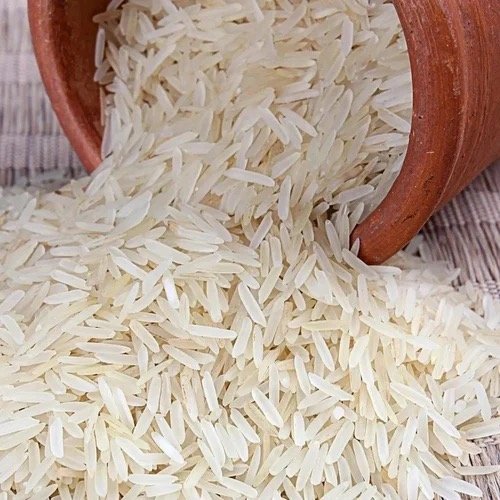
A bulk rice supplier who can’t hand you real numbers isn’t giving you enough to plan around. Here’s the typical range across our main grades — your specific lot’s exact figures come with every quotation:
| Specification | Typical range | Why it matters at bulk volume |
|---|---|---|
| Moisture content | 13.0% – 14.5% | Even small moisture variance compounds across a multi-ton shipment stored for months |
| Broken grains | 5% / 10% / 15% / 25% / 100% | Consistency across the full order matters more than the headline percentage alone |
| Foreign matter / admixture | ≤ 0.5% | Higher tolerance at bulk volume adds real weight in non-rice material |
| Chalky grains | ≤ 6% (Grade A) | Affects milling yield if you’re processing further after receipt |
| Milling degree | Well-milled / extra well-milled | Consistent polish across the full batch, not just the sampled bags |
| Crop year | Current season or one-year-old | Relevant for long-term bulk storage planning |
These figures broadly track international grading language, including the framework published in the Codex Alimentarius standards maintained by FAO and WHO, which is a useful independent reference for buyers new to bulk agricultural sourcing.
A Note on Long-Term Bulk Rice Supplier Relationships
Most of our largest accounts didn’t start as large accounts. A distributor might place one 25-ton trial container, confirm the quality and paperwork hold up, then move to a monthly order, then eventually a standing annual agreement once enough trust is built to plan a year of production around us. We’d rather earn that progression order by order than ask a new buyer to commit to bulk rice supplier status on day one.
That approach costs us a little short-term revenue compared to pushing every new inquiry toward the biggest possible first order. It’s paid off in buyers who stick around for years rather than shopping for a cheaper quote every quarter, which in the end is a better business for a bulk rice supplier to run than one built on constant customer turnover.
Storage and Warehousing Capacity
Buying from a bulk rice supplier is only step one — where the rice goes after it lands matters just as much. Bulk rice needs dry, ventilated, pest-controlled storage, ideally on pallets rather than directly on a concrete floor, with stock rotated on a first-in-first-out basis. Buyers taking multi-container or vessel-scale volumes should confirm their receiving warehouse or silo capacity before committing to a bulk order size, since a shipment that arrives faster than it can be properly stored creates more problems than it solves.
On our end, we hold export-ready stock in climate-appropriate warehousing and fumigate ahead of loading, so bulk shipments arrive at your port in the same condition they left our facility in — not degraded by weeks of transit in a humid container.
Bulk Order Tiers and Pricing
| Tier | Approximate volume | Pricing structure |
|---|---|---|
| Trial order | 1 container (~25 MT) | Spot price, standard payment terms |
| Standing bulk order | 2 – 10 containers / quarter | Contract rate, priority scheduling |
| Annual bulk agreement | 500+ MT / year | Locked-in volume pricing with periodic review |
Bigger, longer commitments bring the per-ton price down, but we don’t require an annual contract just to get fair pricing — a single trial container is quoted honestly, not padded to push you toward a bigger commitment.
Shipping Bulk Rice Worldwide
We load out of Bangkok and Laem Chabang port and quote FOB, CFR or CIF depending on your freight arrangement. Lead time from confirmed order to vessel departure typically runs 15–25 days, longer for very large bulk vessel bookings that need to be scheduled against carrier availability. If you handle regular container traffic, our guide to container shipping documentation and lead times covers the customs side in more depth.
Every bulk shipment ships with a full document package: Certificate of Origin, Phytosanitary Certificate, Fumigation Certificate, Certificate of Analysis, Packing List, Commercial Invoice, and Bill of Lading, with Health and Halal certificates available on request.
How to Get a Bulk Quotation
- Send your target variety, grade, packing format, approximate volume and destination port
- We return a formal quotation with a specification sheet attached
- You confirm the order and we issue a proforma invoice
- Payment terms are agreed — T/T deposit with balance against shipping documents, or L/C for larger orders
- We schedule production, load the shipment, and send tracking and full documents once it departs
Reach our export desk directly through the contact page, or review minimum order quantities and standard terms on our wholesale trading terms page before you request a quote.
Frequently Asked Questions
What’s the minimum volume to be considered a bulk order?
We treat one 20-foot container, roughly 25 metric tons, as our practical starting point for bulk pricing. Smaller trial quantities are available for new buyers who need to confirm quality before committing to a full container.
Can a bulk rice supplier guarantee the same specification across multiple shipments?
We can guarantee it within the tolerances stated on the specification sheet, tested and documented on every shipment through a Certificate of Analysis. No agricultural product is machine-identical batch to batch, but the variance should stay within the agreed range every time, not drift over the course of a contract.
Do you supply bulk rice for further processing, not just retail resale?
Yes — a meaningful share of our bulk buyers are mills and food manufacturers processing the rice further, whether that’s repackaging, blending into a packaged food product, or milling semi-processed rice down to a finished grade. Let us know your intended use and we’ll recommend the right grade and format.
How do you handle a bulk order that arrives outside the agreed specification?
It’s addressed in the sales contract before any deposit is paid, covering price adjustment, credit or replacement depending on the severity and what an independent inspection confirms. We’d rather have that conversation in writing up front than after a large shipment has already cleared your customs.
Can you deliver bulk vessel shipments, not just containers?
For buyers taking multi-thousand-ton volumes, we can arrange bulk vessel loading rather than containerized bagged shipment — talk to our export desk about volume, timing and destination port requirements, since bulk vessel scheduling works differently from standard container bookings.
How do I switch bulk rice suppliers without disrupting my own supply chain?
Overlap the transition rather than switching cold — place your first bulk order with a new supplier while your existing supplier is still delivering, so you have a buffer if the new relationship needs a shipment or two to settle into a rhythm. Most experienced buyers run a trial order alongside their existing supply before shifting volume over completely.
What payment terms are typical for a large bulk order?
For established relationships, a T/T deposit with the balance paid against shipping documents is common. For larger first-time bulk orders, an irrevocable letter of credit gives both sides more security — the buyer knows the goods ship as specified before funds fully release, and the supplier has a bank-backed payment guarantee rather than relying on trust alone.
Is DThai a manufacturer, a trading company, or a bulk rice supplier in the strictest sense?
We operate as an export and supply company working directly with milling partners, rather than owning the mills outright or purely reselling on the open market. That middle position is what lets us function as a bulk rice supplier with real traceability back to the source, without the fixed overhead of running our own milling operation across every variety we sell.
If reliable volume, consistent specification and real documentation matter more to your business than shaving the last dollar off a spot quote, that’s exactly the kind of bulk rice supplier relationship we’re set up to run. Send us your target variety and volume, and we’ll get a real quotation back to you this week.
Related Rice Guides
Sourcing more than one grade or format? These related guides cover the rest of our rice export range in more detail.
- Rice for sale
- Wholesale rice exporter
- Jasmine rice for sale
- Hom Mali rice supplier
- Wholesale jasmine rice
- Premium Thai Hom Mali Rice
Read our full guide on what to look for in a reliable supplier. Thai rice supplier.