Most buyers who contact us looking for a Thai fragrant rice supplier have the same problem. Their customers want rice that smells and cooks like Thai jasmine, but certified Hom Mali costs too much for the price point they sell at. Thai fragrant rice is the answer to that, and it’s one of our best-selling lines. We’re DThai Company Limited, a Thai fragrant rice supplier shipping bulk containers from Thailand to importers, distributors, restaurants and private-label brands around the world. Below you’ll find what the product actually is, the full specification, how it compares with Hom Mali, and how to order it from us.
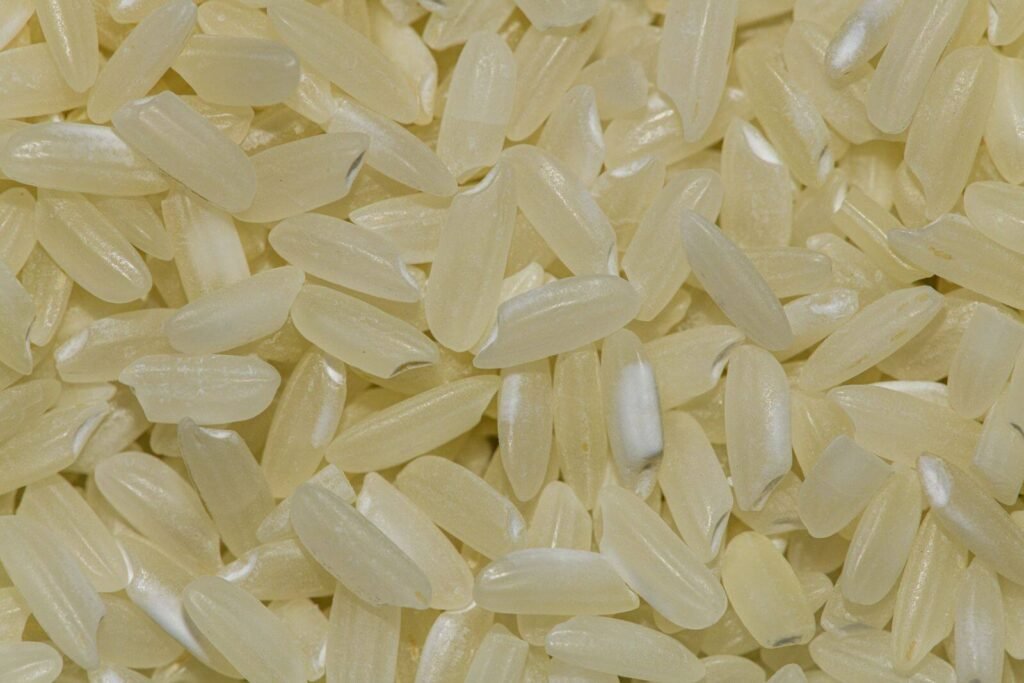
Table of Contents
What “Thai Fragrant Rice” Means in the Trade
In Thailand’s export trade, “fragrant rice” is a category, not a single variety. It covers aromatic rice grown in Thailand with that familiar soft texture and natural scent that isn’t sold under the protected Thai Hom Mali name, and it’s what most buyers mean when they ask a Thai fragrant rice supplier for a quote.
That distinction matters, and any Thai fragrant rice supplier worth dealing with will explain it before you ask. Thai Hom Mali rice has its own national standard. To be exported as Thai Hom Mali, a lot has to be made up of at least 92% of the approved Hom Mali varieties and meet the standard’s other quality limits. Fragrant rice doesn’t carry that requirement, so a Thai fragrant rice supplier can offer it from a wider set of aromatic varieties, single-origin or blended, at a lower and more flexible price.
You’ll see the same rice called Thai aromatic rice, Pathum Thani fragrant rice, Thai scented rice or simply “fragrant rice” on bags around the world. The Thai Rice Exporters Association even lists “Pathumthani fragrant rice” as its own line in the weekly export price quotes it publishes, separate from Hom Mali. That tells you how established the category is, and it’s a useful reference point when you compare quotes from more than one Thai fragrant rice supplier.
Pathumthani 1: The Variety Behind Most Fragrant Rice
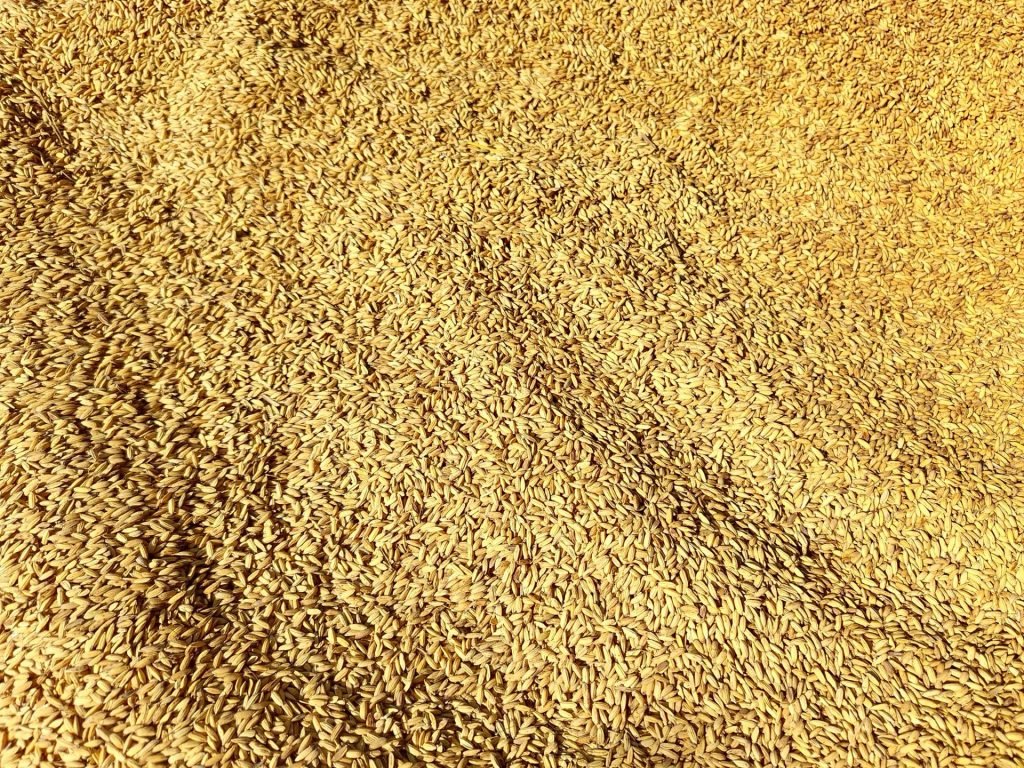
The variety you’ll hear about most from any Thai fragrant rice supplier is Pathumthani 1, an aromatic rice developed by Thailand’s Rice Department. It has a long, slender grain, cooks soft and has a gentle jasmine-like aroma, a bit lighter than Hom Mali. Brands that want fragrant rice in their own printed bags should read our guide to working with a private label rice supplier.
The big difference is how it’s grown. Hom Mali is grown mainly in the northeast and is tied to the main wet-season crop, so most of it comes in once a year. Pathumthani 1 isn’t tied to the season in the same way, so farmers in irrigated areas can grow it more than once a year. More harvests mean steadier supply and steadier prices, which is exactly why distributors like it, and why a Thai fragrant rice supplier can usually keep loading it through the year.
We supply fragrant rice from Pathumthani 1 and other approved Thai aromatic varieties. You can order it single-origin, for example 100% Pathumthani 1, or as a blended aromatic lot if price matters more than a single variety name. Tell us which when you ask for a quote, and as your Thai fragrant rice supplier we’ll put it in the contract.
Our Thai Fragrant Rice Specifications
This is the specification we quote and load against as a Thai fragrant rice supplier. Every lot is checked before packing, and you’ll get the actual figures for your lot.
| Parameter | Standard Grade | Premium Grade |
|---|---|---|
| Variety | Pathumthani 1 and other approved Thai aromatic varieties, single-origin or blended | |
| Broken grains | 10% max | 5% max |
| Moisture | 14% max | |
| Admixture | 1% max | |
| Average grain length | 6.8mm and above | |
| Crop | Current season | |
| Packing | 5kg, 25kg and 50kg bags, or 1,000kg jumbo bags | |
| Loading | FCL, with LCL possible for trial orders | |
| Ports | Bangkok or Laem Chabang | |
The product itself is listed on our Thai fragrant rice for sale page. If your market needs a different broken percentage or a specific bag print, ask. We’d rather adjust the spec before loading than argue about it after.
Standard Grade (10% Broken)
The standard grade is what most restaurants, caterers and wholesale distributors buy. Ten percent broken is hard to notice once the rice is cooked, and it keeps the price down. If your customers are cooking fried rice, rice bowls or everyday meals, this is the grade a sensible Thai fragrant rice supplier will point you to first.
Premium Grade (5% Broken)
The premium grade is for retail bags and buyers who sell on appearance. Fewer broken grains means the rice looks better in a clear bag and on the plate. It costs more per ton, so we usually only recommend it when you’re selling into supermarkets or to customers who will notice.
How It Cooks and Tastes
Rice from a good Thai fragrant rice supplier cooks soft and slightly sticky, with a light natural aroma. The usual ratio is one part rice to one and a half parts water, the same as Hom Mali, so your customers don’t need to change anything.
Compared side by side, Hom Mali has the stronger scent and a slightly silkier texture. Fragrant rice is a little milder. Most diners eating it in a restaurant won’t notice the difference, which is why so many restaurant groups buy from a Thai fragrant rice supplier rather than paying for Hom Mali. Someone cooking both at home on the same evening probably will.
Aroma is strongest when the rice is fresh. Like all aromatic rice, it slowly loses scent over the months after milling. That’s why we ship current-crop rice, and why we tell buyers not to over-stock. A Thai fragrant rice supplier who offers you a big discount on old crop isn’t really doing you a favour.
Fragrant Rice vs Hom Mali vs Jasmine vs White Rice
As a Thai fragrant rice supplier that also ships Hom Mali, jasmine and white rice, we don’t need to push you toward one. Here’s a plain comparison to help you pick. Whichever you need, we can quote it.
| Thai fragrant rice | Thai Hom Mali | Jasmine rice | Long-grain white rice | |
|---|---|---|---|---|
| Aroma | Mild to medium | Strongest | Medium to strong | None |
| Texture | Soft, slightly sticky | Soft, silky | Soft | Firm, separate grains |
| Certified variety name | No | Yes, Thai standard | Depends on lot | No |
| Price | Mid | Highest | Mid to high | Lowest |
| Best for | Restaurants, value retail, distributors | Premium retail, buyers who need the Hom Mali name | Retail and foodservice | Institutions, mass catering, mixed dishes |
If you need the Hom Mali name on your label, have a look at our Thai Hom Mali rice instead, and read our guide on how to tell genuine Hom Mali from blended rice. If aroma doesn’t matter at all, our long-grain white rice is cheaper again. And if you want to compare every grade we export in one place, start with our guide to the types of Thai rice for export.
For background on the wider family of Thai aromatic rice, the jasmine rice entry is a decent starting point.
Who Buys Fragrant Rice From Us
As a Thai fragrant rice supplier, we see the same kinds of buyers again and again:
- Importers and wholesale distributors who supply Asian grocery stores and restaurants, and need a reliable aromatic rice at a price their customers will pay.
- Restaurant groups and caterers who cook rice every day in large volumes and want it to smell and taste right without paying Hom Mali prices.
- Private-label and supermarket brands selling “fragrant rice” or “aromatic rice” in 5kg and 10kg bags.
- New importers testing a market before committing to certified Hom Mali volumes.
- Food manufacturers making ready meals, frozen fried rice or rice kits.
Some buyers order fragrant rice and Hom Mali in the same container, using Hom Mali for their premium shelf and fragrant rice for everything else. That works well, and it’s something we can arrange easily as your Thai fragrant rice supplier.
Labeling: What You Can and Can’t Call It
This catches some new importers out, so it’s worth being clear. Thai fragrant rice can be sold as “fragrant rice”, “aromatic rice” or “Thai fragrant rice”. It should not be labeled “Thai Hom Mali” unless the lot actually meets the Hom Mali standard, and we won’t load it with Hom Mali paperwork.
Be careful with any Thai fragrant rice supplier who offers to put “Hom Mali” on a fragrant rice bag to help you sell it. Apart from the legal risk in your own country, it’s the fastest way to lose customers who know the difference. If you want to understand how the certified side works, our guide to the TAS 4000 Hom Mali rice standard explains it.
Packing, Private Label and Container Loads
As a Thai fragrant rice supplier, we pack in:
- 5kg bags for retail shelves
- 25kg bags for restaurants and smaller distributors
- 50kg bags for wholesale and markets that prefer the bigger sack
- 1,000kg jumbo bags for repackers and manufacturers
A 20-foot container holds roughly 25 tons of rice in 25kg or 50kg bags. Retail packs take more space per ton, so a container of 5kg bags carries less. We can mix bag sizes and mix fragrant rice with other grades like jasmine rice or glutinous rice in one container, which helps smaller importers keep a full range in stock.
For private label, we print your brand on the bags. Expect a little extra time on the first order while artwork is approved and the bags are printed. Repeat orders after that run on our normal schedule. Not every Thai fragrant rice supplier will print small runs of retail bags, so if that matters to you, ask early.
What Moves the Price
We don’t put a price on this page, because rice prices move every week and a number here would be wrong by the time you read it. Send us your details and we’ll quote you the same or next working day. These are the things that decide the number:
- Grade. 5% broken costs more than 10% broken.
- Single variety or blend. Single-origin Pathumthani 1 can be priced differently from a blended aromatic lot.
- Crop timing. Prices often ease when a new harvest comes in and firm up when stocks run low.
- Packing. Retail bags and private-label printing add cost per ton.
- Volume and contract length. Regular container contracts get better pricing than one-off orders.
- Incoterm and freight. FOB and CIF prices can be quite different, and freight changes month to month.
As a rough guide, fragrant rice sits between ordinary white rice and certified Hom Mali. If a Thai fragrant rice supplier quotes you a price close to plain white rice, ask what’s actually in the bag.
Markets We Ship Fragrant Rice To
We work as a Thai fragrant rice supplier for buyers on every continent, and each region tends to want something slightly different.
- The Middle East and the Gulf. Big foodservice and catering demand. Mostly 25kg and 50kg bags, standard grade, steady monthly volumes.
- Africa. Distributors who want aromatic rice at a sharp price. 25kg and 50kg bags, often mixed with long-grain white rice in the same container.
- Europe. Asian grocery wholesalers and restaurant suppliers. Retail 5kg bags are common, and labeling has to match local rules.
- North America. Restaurant distributors and private-label brands. Premium grade is more popular here because rice is often sold in clear bags.
- Asia-Pacific and Oceania. Short transit times, so buyers tend to order smaller lots more often, which keeps the rice fresh.
Wherever you are, the basic offer is the same: real Thai aromatic rice, a clear spec, and paperwork that matches your country’s import rules. If you tell us your market, we’ll suggest the grade and bag size that sells best there, based on what our other buyers in that region order from us as their Thai fragrant rice supplier.
How to Check a Thai Fragrant Rice Supplier
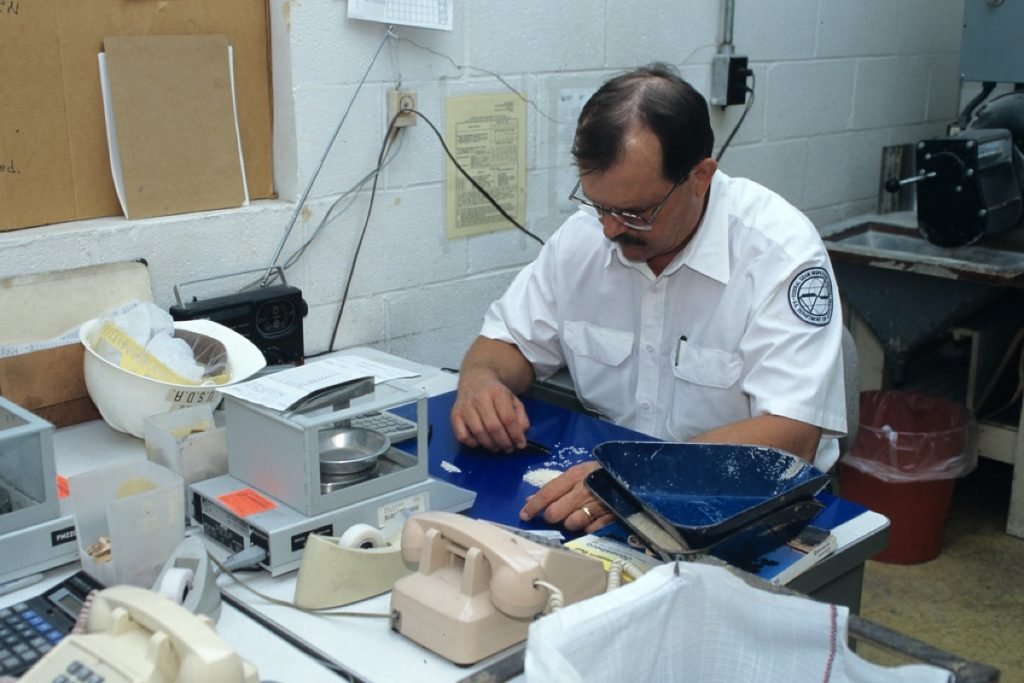
Fragrant rice is a category where it’s easy to cut corners, mostly by blending in cheaper non-aromatic rice. Before you pay a deposit to any Thai fragrant rice supplier, including us, ask these questions:
- Which varieties are in the lot? Single-origin or blended, and in what proportion?
- What are the broken, moisture and admixture figures for this specific lot, in writing?
- Which crop year is it?
- Can I have a sample from the lot you’ll actually ship?
- Will you accept an independent inspection before loading?
- Does the shipper on the Bill of Lading match the company on the contract?
Then cook the sample. Smell it when the lid comes off. Fragrant rice that has been heavily blended with non-aromatic grain smells of very little. Our guide on how to import rice from Thailand covers the rest of the checks, including how to confirm an exporter is licensed.
Storage and Handling Once It Arrives
Good rice can still be ruined in the last stage, in your own warehouse. These are the habits we see in buyers who never have problems:
- Keep bags on pallets, off the floor and away from walls, so air can move around them.
- Store somewhere cool, dry and out of direct sun. Heat speeds up the loss of aroma.
- Keep rice away from strong-smelling goods like spices, detergents or fuel. Aromatic rice picks up smells easily.
- Sell oldest stock first. It sounds obvious, but mixed-up pallets are the most common reason a customer complains that “this batch doesn’t smell like the last one”.
- Don’t over-order. Two or three smaller containers spread through the year beat one huge one that sits for months.
A Thai fragrant rice supplier can only control the rice up to the port. After that it’s in your hands. If you’re not sure how fast you’ll sell through a full container, tell us and we’ll help you plan the order size and spacing.

Documents, Shipping and Payment
Every container of fragrant rice we ship comes with a commercial invoice, packing list, Bill of Lading, Certificate of Origin, phytosanitary certificate and fumigation certificate. A certificate of analysis and third-party inspection are available on request. If your country needs anything else, tell us before loading. The full list is explained in our guide to bulk rice import documentation.
We load from Bangkok or Laem Chabang, normally within 10 to 20 days of your deposit clearing. Transit takes about a week to most Asian ports and roughly three to six weeks to the Middle East, Africa, Europe and the Americas. We quote FOB or CIF, and the ICC Incoterms rules spell out where cost and risk pass to you under each.
First orders are usually paid by T/T: 30% deposit, balance against shipping documents. Repeat buyers on bigger contracts can move to a Letter of Credit. More on routes and timing is on our shipping page.
Why Choose DThai as Your Thai Fragrant Rice Supplier
There are plenty of companies calling themselves a Thai fragrant rice supplier. Here’s what we actually do differently:
- We tell you exactly which varieties are in the bag, and put it in the contract.
- You get lot-specific broken, moisture and admixture figures before you pay.
- We ship current-crop rice and pack close to the loading date, so the aroma is still there when it arrives.
- We’ll mix fragrant rice with jasmine, Hom Mali, glutinous or long-grain rice in one container.
- We print private-label retail bags.
- One team handles the rice, the paperwork and the booking, so you have one person to call.
If you’d like to compare the rest of our range first, the rice for sale page lists every grade, and our wholesale jasmine rice guide is useful if you’re weighing fragrant rice against jasmine. For buyers who need certified Hom Mali, our Hom Mali rice supplier page covers that line in detail.
What We Ask You Before We Quote
A good quote depends on good information. Before we send prices, a careful Thai fragrant rice supplier should ask you a few things, and we do:
- Who will eat or buy the rice: restaurants, retail shoppers, or a factory?
- Standard or premium grade, and is single-origin important to you?
- Bag size and whether you need your own brand printed.
- Your destination port, and whether you want FOB or CIF.
- How often you’ll order, so we can plan supply and give you better pricing on a contract.
The more you tell your Thai fragrant rice supplier, the more accurate the first quote is, and the less back-and-forth you’ll have later.
How to Order
- Tell us the grade (standard or premium), single-origin or blended, quantity, bag size and destination port.
- We send a quote, FOB or CIF.
- We send a sample from the lot. You cook it and check it.
- We agree the contract: spec, packing, labeling, port, Incoterm and payment.
- You pay the deposit and we schedule milling, packing and loading.
- We send the documents, you pay the balance, and your rice is on the water.
Start on our contact page. Tell us who you’re selling to and we’ll tell you honestly which grade makes sense.
Frequently Asked Questions
Is Thai fragrant rice the same as jasmine rice?
They’re closely related. Both are Thai aromatic rice with a soft texture. Thai fragrant rice is the broader trade category and can include Pathumthani 1 and blended aromatic lots, while jasmine rice and Hom Mali usually refer to the traditional, higher-aroma varieties.
Can I order 100% Pathumthani 1?
Yes. Tell us you want single-origin Pathumthani 1 when you ask for a quote, and we’ll put the variety in the contract.
What is the minimum order?
Our standard minimum is one 20-foot container, about 25 tons. For new buyers testing a market, we can often arrange LCL or add fragrant rice to a mixed container.
How long does fragrant rice keep its aroma?
The scent is strongest in the first months after milling and fades slowly after that. Store it cool and dry, and plan orders so you sell through stock within a few months. Any honest Thai fragrant rice supplier will tell you the same.
Do you ship worldwide?
Yes. We ship to Asia, the Middle East, Africa, Europe, the Americas and Oceania, and quote FOB or CIF to your port.
Thai fragrant rice is a simple product to sell when it’s done right: it smells good, cooks easily and sits at a price most customers are happy with. The hard part is finding a Thai fragrant rice supplier who tells you what’s really in the bag and ships it fresh. That’s what we do. Send us your order details and we’ll get a quote back to you.