If you’re looking for a private label rice supplier, you’ve probably decided you’re done selling someone else’s brand. Maybe you’re a distributor whose customers keep asking for “your” rice, a supermarket chain building a store brand, or a food company that wants its own name on the shelf. We’re DThai Company Limited, a private label rice supplier in Thailand. We mill the rice, print your bags, pack them and ship the finished product to you anywhere in the world. This guide covers the rice we can put in your bag, the packaging options, the specs, the steps from artwork to container, and the mistakes we see first-time brand owners make.
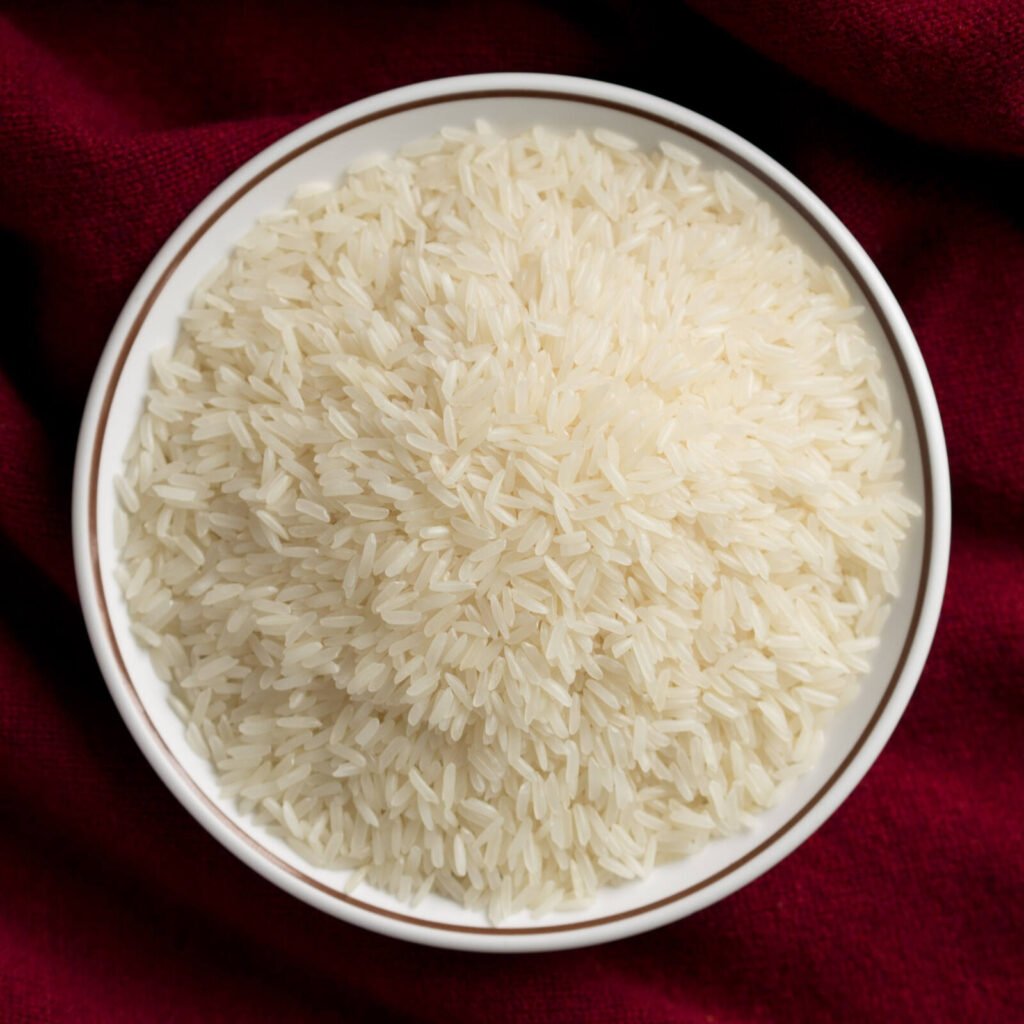
Table of Contents
What a Private Label Rice Supplier Actually Does
Private label means the rice is produced and packed by your private label rice supplier, but the bag carries your brand. Your customers never see our name. You own the brand, the design and the relationship with your buyers. We handle the rice, the packing and the export.
In practice a private label rice supplier does four jobs at once:
- Sources and mills rice to an agreed spec, the same every time.
- Works with you on bag size, material and print.
- Packs the rice into your bags, cartons and pallets at the mill.
- Prepares the export documents and ships the container to your port.
If any one of those is done badly, it’s your brand that suffers. That’s why choosing a private label rice supplier is less about the cheapest price per ton and more about who can keep the rice and the packing consistent for years. There’s a general background on how private label products work if you’re new to the model.
Rice We Can Pack Under Your Brand
Most private label buyers start with one product and add more later. As a private label rice supplier, these are the grades we pack most often:
| Rice | Moisture | Broken | Best for |
|---|---|---|---|
| Thai jasmine (Hom Mali) rice | 14% max | 5% max | Premium retail, Asian grocery |
| Thai fragrant rice | 14% max | 5% or 10% max | Value aromatic rice, restaurants |
| Long-grain white rice | 14% max | 5%, 10% or 25% | Everyday retail, foodservice |
| Parboiled rice | 13% max | 5%, 10% or 25% | Markets that prefer firm, separate grains |
| Glutinous (sticky) rice | 14% max | 5% max | Asian specialty shelves |
| Brown rice | 14% max | 5% max | Health-food and wholegrain lines |
Admixture is 0.2% max on our main milled grades, and all rice is sortex-cleaned and current crop. We also pack red, black and other specialty rice for brands that want a premium range. If you want to see every grade side by side, our guide to the types of Thai rice for export covers them all.
Which Rice to Launch First
If you’re starting a brand from scratch, the first product matters more than the range. Here’s what we usually suggest, based on what has worked for other brand owners who use us as their private label rice supplier:
- Selling into Asian grocery or premium retail? Start with jasmine rice in 5kg bags. It’s the product people already know and look for.
- Selling on price to restaurants and families? Long-grain white rice or fragrant rice in 10kg or 25kg bags.
- Selling in a market that eats parboiled rice? Lead with parboiled, which also keeps longer on the shelf.
- Building a health or wholegrain line? Brown rice, with red or black rice as premium add-ons later.
Once your first product is moving, adding a second grade in the same bag design is easy. You only need new artwork for the product name and details, and your private label rice supplier can pack both in one container.
Packaging Options for Your Brand
The bag is the part your customer actually touches, so it’s worth getting right. As a private label rice supplier, we can pack in:
- 1kg and 2kg retail packs for supermarket shelves, usually printed plastic film or vacuum packs.
- 5kg and 10kg bags, the most common retail sizes for rice in many markets. Printed BOPP-laminated woven bags look sharp and handle well.
- 25kg bags for restaurants, caterers and wholesale, printed woven PP or laminated bags.
- 50kg bags for markets where the big sack is still standard.
Things you can choose:
- Bag material and finish (matte or gloss laminate, clear window, handle, zip or no zip).
- Number of print colors.
- Outer packing, such as bales of small bags or cartons.
- Pallet pattern and wrapping for your warehouse.
Printed bags have their own minimum run, set by the bag printer, so very small first orders sometimes carry a higher bag cost. We’ll tell you the minimum for your design before you approve anything.
Choosing the Right Bag Material
Bag material affects how your rice looks, how long it stays fresh and how well it survives the trip. As a private label rice supplier, these are the options we see used most:
- BOPP-laminated woven PP. Strong, glossy and printable in full color. The usual choice for 5kg to 25kg retail bags.
- Plain woven PP. Cheaper and tough, with simpler printing. Common for 25kg and 50kg wholesale bags.
- Printed plastic film. For 1kg and 2kg retail packs. Can include a clear window so shoppers see the grain.
- Vacuum packs. Brick-shaped, tidy on the shelf, and good at protecting aroma. Popular for premium jasmine rice.
For long sea routes or hot, humid markets, ask for a bag with an inner liner or a vacuum pack. A careful private label rice supplier will match the bag to your route, not just to your budget.
From Artwork to Container: How It Works
This is the order we work in as your private label rice supplier. Most first projects take a few weeks longer than a normal order because of the bag printing. After that, repeat orders run on our standard schedule.
- Choose the rice. We send samples of the grades you’re considering. You cook them and pick one.
- Agree the spec. Variety, broken percentage, moisture, crop year and packing go into the contract.
- Send artwork. You send your design, or we can put you in touch with a designer. We check that it fits the bag size and printing method.
- Approve a proof. The printer sends a digital proof, and a printed sample if you want one. Nothing is printed in volume until you sign off.
- Print and pack. Bags are printed, the rice is milled close to the ship date, and packing happens at the mill.
- Inspect and load. We check bag weights and seals. You can send your own surveyor too.
- Ship. We send the documents, you pay the balance, and your branded rice is on its way.
The biggest delay we see is step 3. Brand owners often change their artwork several times. Lock the design early and everything else moves quickly.
Samples and Trial Orders
Before you print a single bag, cook the rice. We send samples of each grade you’re considering, usually in plain 1kg packs, so you can test them in your own kitchen or with a few trusted customers. Cook each one the way your buyers will: rice cooker, pot or steamer.
Once you’ve chosen, we can send a printed sample bag filled with the actual rice, so you can see how it looks on a shelf, how it feels in the hand and whether the print is right. Some brand owners also start with a smaller trial run in a mixed container before committing to a full container of one design. A sensible private label rice supplier should support that, because a slow, careful launch is better for both sides than a rushed one. If a private label rice supplier won’t send samples before you pay, look elsewhere.
What Has to Be on Your Rice Bag
Your rice bag is a food label, so your country’s food labeling rules apply. A private label rice supplier can help you lay it out, but you’re the brand owner and you’re responsible for what it says. Most countries ask for some version of the following:
- Product name, for example “Thai Jasmine Rice” or “Long Grain White Rice”.
- Net weight.
- Country of origin.
- Name and address of the importer or brand owner.
- Best-before date and lot or batch number.
- Storage and cooking instructions.
- Nutrition information, in markets that require it.
- A barcode, if you sell through retail. Most supermarkets use GS1 barcodes, which you register in your own country.
One point on names: only certified rice should be sold as Thai Hom Mali. If your bag says Hom Mali, the rice inside has to meet the Thai standard, and as a private label rice supplier we’ll only pack certified rice into that bag. Our guide to the TAS 4000 Hom Mali rice standard explains why it matters. If you want aromatic rice at a lower price, call it fragrant rice or aromatic rice instead.
Who Uses Us as Their Private Label Rice Supplier
- Importers and distributors who want their own brand instead of competing on someone else’s.
- Supermarket chains building a store-brand rice range.
- Food brands adding rice to a line of sauces, spices or ready meals.
- Restaurant groups who want their name on the 25kg bags going into their kitchens.
- Online sellers launching a premium rice brand.
Some brands start with their private label rice supplier on a single grade in one bag size, often jasmine rice in 5kg bags. Others launch three or four products at once. Either way works. If you’re new to this, we’d suggest starting narrow and adding grades once your first product is selling.
Common Mistakes First-Time Brand Owners Make
We’ve worked with enough new rice brands to see the same problems come up. Here are the ones that cost the most:
- Choosing rice only on price. Your brand lives or dies on the second and third purchase. Cheap rice that cooks badly ruins that.
- Changing suppliers between orders. Customers notice when the rice in “your” bag suddenly cooks differently. A steady private label rice supplier protects your brand.
- Ordering too many bags. Printing 100,000 bags to get a lower unit cost, then changing the design six months later.
- Missing label requirements. A bag that doesn’t meet your country’s rules can hold a container at customs.
- Overstocking aromatic rice. Jasmine and fragrant rice lose aroma over months. Smaller, regular orders keep your product fresh.
- Not testing the bag. Thin bags split on the shelf. Always ask for a printed sample bag and drop-test it.
A good private label rice supplier will warn you about these before you make them. We’d rather lose a sale than see your brand get off to a bad start.
Quality Control on Branded Rice
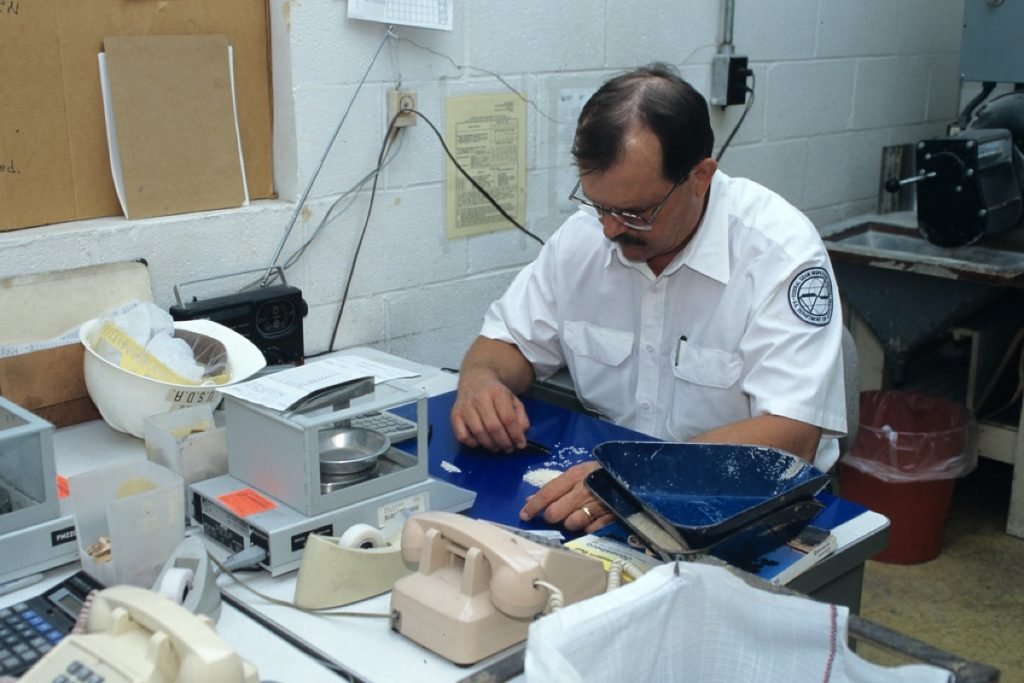
When rice carries your name, every bag reflects on you. As a private label rice supplier, this is what we check before your container is loaded:
- Moisture, broken percentage and admixture against the contract spec.
- Grain length and appearance, so your rice looks the same as last time.
- Cooking test on a sample from each lot.
- Bag weight, seal quality and print quality.
- Correct lot numbers and dates on every bag.
As your private label rice supplier, we keep samples from each shipment, so if a customer ever raises a question we can check the actual lot. You’re also welcome to appoint SGS, Intertek or another surveyor at loading.
Keeping Your Brand Consistent Over Time
The hardest part of a rice brand isn’t the launch. It’s making the twentieth container taste and look like the first. That’s where most brands lose customers, usually after switching to a cheaper private label rice supplier to save a little per ton.
We keep things consistent by writing the spec into the contract, milling from the same rice line each time, and keeping a reference sample from your approved lot. Before each new shipment we compare the new rice against that reference. If the crop changes something, like aroma or grain length, we tell you before we pack, not after.
Your job is simpler: order regularly, give us your forecast if you can, and tell us early if you plan to change the bag design. A private label rice supplier who knows what’s coming can plan milling and bag printing so you never run short.
How Pricing Works for Private Label Rice
We don’t publish prices because rice and freight move every week. Ask and we’ll quote the same or next working day. Your price is made up of:
- The rice itself, which depends on grade, broken percentage and the crop.
- The bags, which depend on size, material, print colors and run length.
- Packing labor and outer packing, higher for small retail packs than for 25kg bags.
- Freight, depending on FOB or CIF and your destination.
Small retail packs always cost more per ton than bulk bags, because there’s more packaging and more handling. That’s normal, and you earn it back on the shelf price. If a private label rice supplier quotes retail packs at the same price as 50kg sacks, ask what’s missing.
Container Loads and Mixed Orders
A 20-foot container holds roughly 25 tons of rice in 25kg or 50kg bags. Retail packs take more space, so a container of 1kg or 5kg bags carries less rice. We can mix bag sizes and rice grades in one container, so you can launch a small range without ordering a full container of each product.
Many brand owners also add sugar or sunflower oil to the same container, since we export those too. If you’re new to importing, our guide on how to import rice from Thailand walks through the whole process.
Markets We Ship Branded Rice To
We work as a private label rice supplier for brands in many regions, and each market has its own habits:
- The Middle East and the Gulf. Strong demand for jasmine and long-grain rice in 5kg and 10kg bags, often with Arabic and English labels.
- Africa. Long-grain, fragrant and parboiled rice in 25kg and 50kg bags, with tough woven bags for inland transport.
- Europe. Smaller retail packs, strict labeling and full documentation for supermarket buyers.
- North America. Premium jasmine in 2kg to 10kg bags, plus 25kg bags for restaurants.
- Asia-Pacific and Oceania. Short transit times, so brands order smaller lots more often.
Tell us where you sell and we’ll suggest bag sizes and labels that suit that market.
Documents, Shipping and Payment
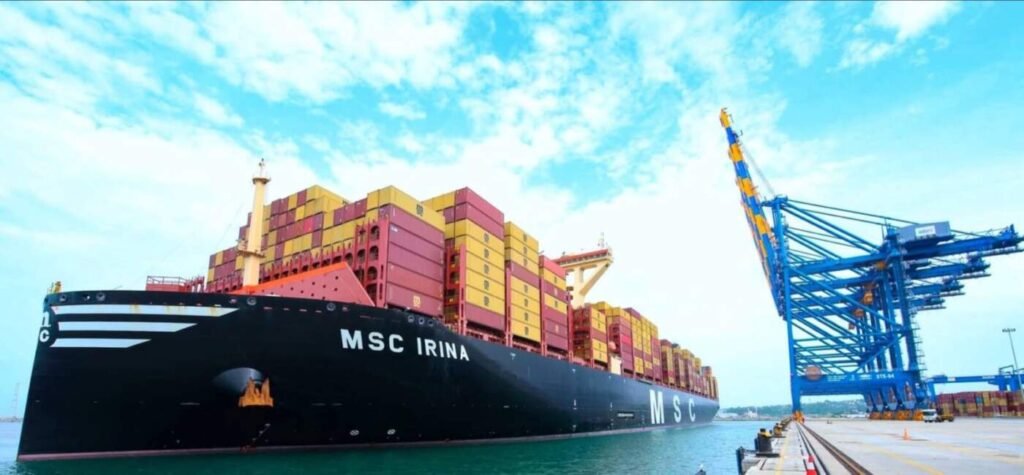
Each container comes with a commercial invoice, packing list, Bill of Lading, Certificate of Origin, phytosanitary certificate and fumigation certificate. A certificate of analysis and other certificates are available on request. The full list is in our guide to bulk rice import documentation.
We load from Bangkok or Laem Chabang, about 10 to 20 days after the deposit clears on repeat orders, a little longer on the first order while bags are printed. Transit is around a week to most of Asia and three to six weeks to the Middle East, Africa, Europe and the Americas. We quote FOB or CIF, and the ICC Incoterms rules set out where cost and risk pass to you.
First orders are usually paid by T/T, with a 30% deposit and the balance against shipping documents. Long-term brand partners can move to a Letter of Credit. See our shipping page for routes and our supply contracts page for longer agreements.
Why Choose DThai as Your Private Label Rice Supplier
- We mill our own rice, so the spec stays the same from order to order.
- Rice, printing, packing and export all handled by one team.
- Honest advice on grades, bag sizes and labels before you spend money on printing.
- Mixed containers, so you can launch several products at once.
- Certified Hom Mali only goes into Hom Mali bags.
- Retained samples from every lot, in case a customer ever asks.
If you want to know more about how we work, our Thai rice supplier and exporter guide explains our milling and export setup, and the rice for sale page lists every grade.
Frequently Asked Questions
What is the minimum order for private label rice?
Usually one 20-foot container. You can split it between several grades and bag sizes. Printed bags also have a minimum print run, which we’ll confirm for your design.
Can you help with bag design?
We can check your artwork for size and print method and suggest what works well on rice bags. For the creative design itself, most brands use their own designer, and we can work directly with them.
How long does the first order take?
Usually a few weeks longer than a normal order, because the bags have to be approved and printed. Repeat orders after that follow our normal loading schedule.
Can I sell aromatic rice as Hom Mali under my brand?
Only if the rice is certified Hom Mali. Otherwise call it fragrant or aromatic rice. Any honest private label rice supplier will tell you the same.
Can I put different rice grades in one container?
Yes. We regularly load mixed containers with two or three grades and several bag sizes, so you can launch a small range at once.
How do I choose a private label rice supplier?
Look for a company that mills its own rice, gives you lot-specific specs, sends real samples, prints and packs in-house or with a trusted printer, and accepts inspection at loading. Then test the cooked rice yourself before you sign.
Do you ship private label rice worldwide?
Yes. We ship branded rice to Asia, the Middle East, Africa, Europe, the Americas and Oceania.
Your own rice brand can be one of the best products in your range, because rice is something people buy every week. The key is a private label rice supplier who gets the rice right, the bags right and the paperwork right, every time. Send us your idea, even if it’s rough, and we’ll come back with samples and a quote. You can reach us on our contact page.