
There’s a reason buyers ask for Hom Mali by name instead of just saying “jasmine rice.” It’s a specific, protected variety with its own standard, its own growing regions, and a noticeably different quality bar than generic fragrant rice sold under a similar-sounding name. If you’re evaluating us as a Thai Hom Mali rice supplier, here’s what separates the real thing from rice that’s riding on the name without meeting the standard.
What Actually Qualifies as Thai Hom Mali Rice
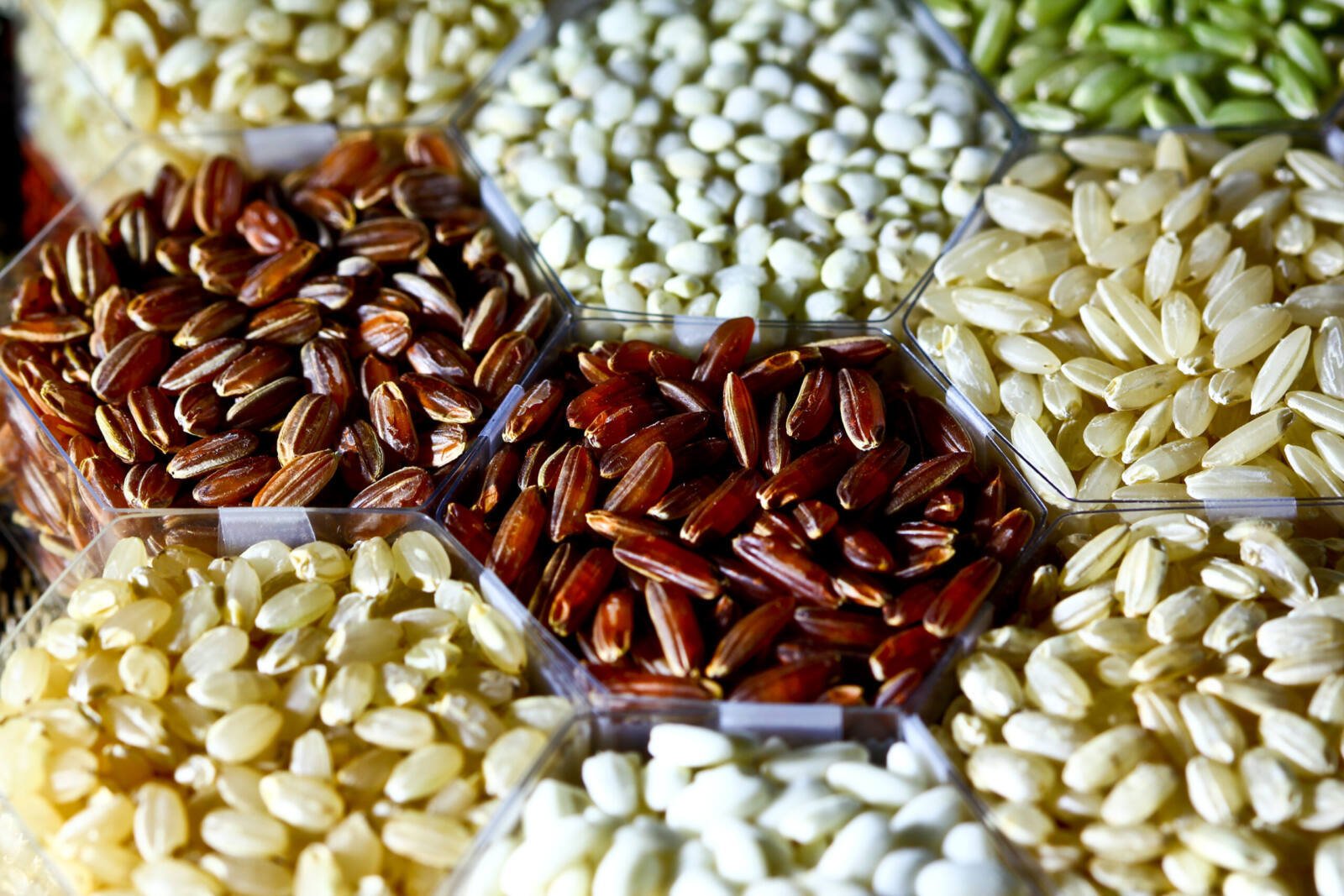
Thai Hom Mali rice is grown specifically from Khao Dawk Mali 105 and RD15 varieties, cultivated in designated regions of Thailand under conditions that produce the distinctive long, slender grain and natural aroma the variety is known for. It’s governed by the Thai Industrial Standard TIS 4004, which sets specific requirements for grain length, aroma compound concentration, moisture, and purity that a batch has to meet before it can legally be marketed and certified as Hom Mali.
As a Thai Hom Mali rice supplier operating under this standard, we source directly from farms in Chiang Rai growing certified Khao Dawk Mali 105, and every batch is tested against TIS 4004 requirements before it’s approved for export. This matters because a lot of rice marketed loosely as “Hom Mali” internationally doesn’t actually meet the standard, and buyers who don’t verify this end up with a product that looks similar but cooks and smells noticeably different from what their customers expect.
TIS 4004 Specifications We Test Against
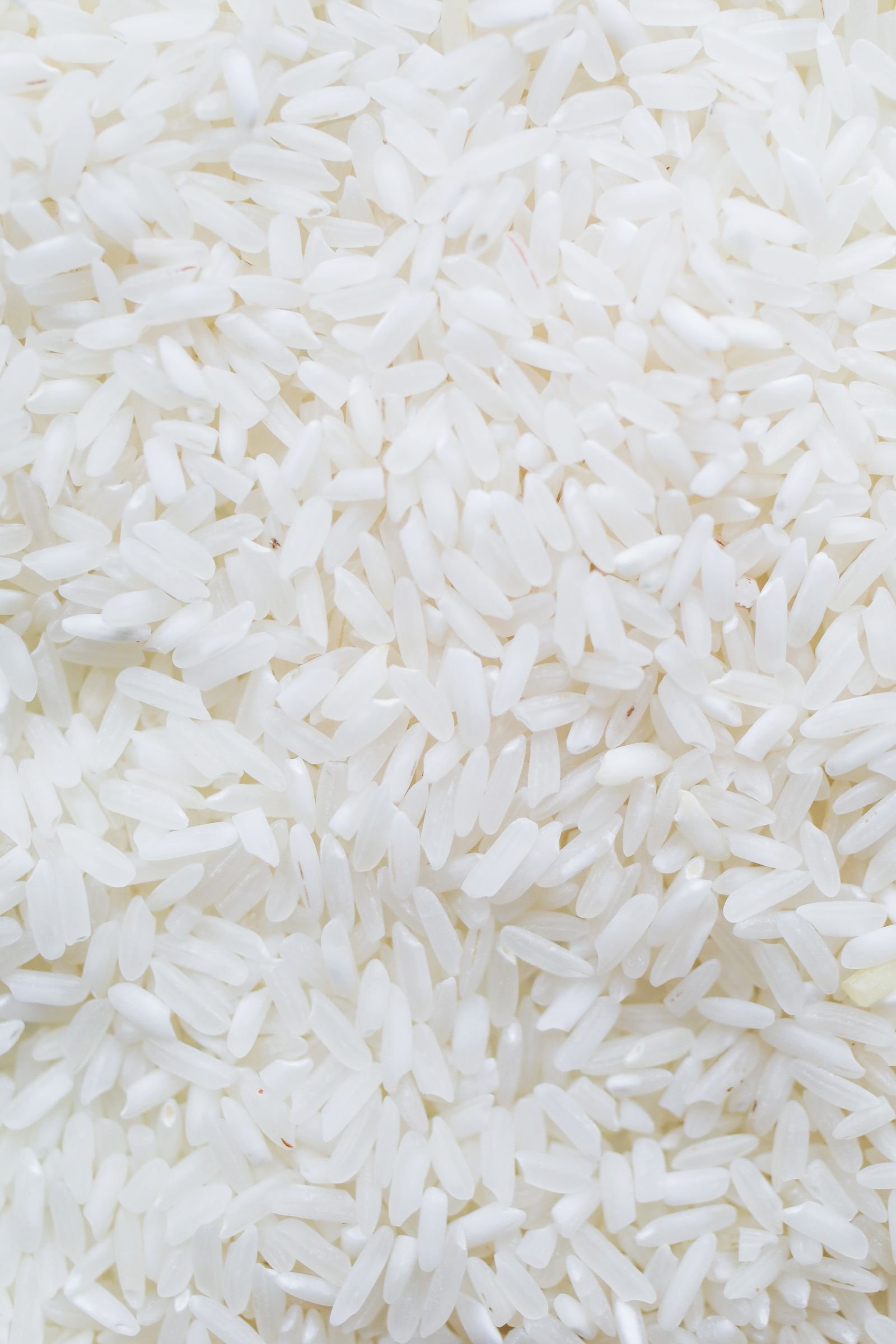
As a Thai Hom Mali rice supplier, our rice meets the following export specifications: minimum average grain length of 7.0mm, moisture content maximum 14%, broken grains maximum 5%, and aroma compound concentration consistent with certified Khao Dawk Mali 105 stock. We also test for admixture with non-Hom Mali rice varieties, since even a small percentage of substitute grain blended in can be detected by an experienced buyer once the rice is cooked, even when the dry grain looks acceptable.
Full traceability documentation is available on request, tracing each batch back to the specific growing region and harvest period, which matters increasingly to buyers whose own customers, particularly in Europe and parts of the Middle East, are asking more detailed questions about origin and authenticity than they did even a few years ago.
Why Certification Matters More With This Variety Than Most
Because Hom Mali carries a premium over generic jasmine or fragrant rice, it’s also one of the varieties most prone to being substituted or blended with cheaper rice by less scrupulous suppliers looking to capture that premium without delivering the actual product. A reliable Thai Hom Mali rice supplier should be able to produce TIS 4004 test results for the specific batch you’re buying, not just a general claim that their rice “meets the standard.”
We provide these test results alongside standard export documentation for every shipment, and we’re glad to arrange third-party verification testing for buyers who want an independent check before finalizing a large order. Buyers who’ve been burned once by a supplier who couldn’t back up their Hom Mali claims tend to ask for this upfront on every subsequent order, and that’s the right instinct.
Packaging and Export Options
As a flexible Thai Hom Mali rice supplier, we pack this rice in 25kg and 50kg export bags as standard, with jumbo bag options for buyers running their own repackaging operations. Private label packaging is available once order volume justifies custom printing, and given how many buyers resell Hom Mali under their own retail brand, we can work with your design team to get labeling requirements right the first time rather than through several rounds of revision after bags are already printed.
New Crop Versus Old Crop for This Variety
Similar to other fragrant rice varieties, new crop Hom Mali carries a more intense aroma but slightly higher moisture content, while old crop has dried further during storage and offers a longer shelf life. Many buyers specifically request new crop stock immediately following the main harvest season from November through January, when it’s freshest and most aromatic, and we recommend ordering during this window if aroma intensity is a priority for your market.
As your Thai Hom Mali rice supplier, we’ll always tell you clearly whether a quote reflects new crop or older stock, since the aroma and price difference between the two can be significant and buyers deserve to know exactly what they’re comparing.

Shipping and Realistic Lead Times
As your Thai Hom Mali rice supplier, production and loading for these orders typically takes 15 to 25 days from order confirmation, depending on whether we’re pulling from existing certified stock or need to schedule fresh milling. We export through Bangkok Port and Laem Chabang Port with regular sailings to West Africa, the Middle East, Europe, and other major destination markets.
We’re upfront about lead times because a Thai Hom Mali rice supplier who promises unrealistic turnaround on a variety that requires careful sourcing and certification testing is setting buyers up for disappointment. If a shipment genuinely needs four weeks because we’re sourcing specific new crop stock, we say so at the start of the conversation.
Pricing and Minimum Orders
Hom Mali rice commands a premium over both standard white rice and generic fragrant rice, reflecting the stricter growing and certification requirements along with genuinely stronger demand from buyers who specifically want the certified variety. Minimum order is typically one 20-foot container, and we work with letters of credit for larger first orders and telegraphic transfer for established repeat buyers.
Because pricing on Hom Mali moves with both harvest timing and certification-driven supply constraints, we quote per shipment rather than maintaining a fixed price list, and we’ll break down exactly what’s driving the number so you can compare our quote against other suppliers on an apples-to-apples basis.
Documentation Provided With Every Shipment
As a fully compliant Thai Hom Mali rice supplier, every shipment includes a commercial invoice, packing list, bill of lading, certificate of origin, phytosanitary certificate, fumigation certificate, and TIS 4004 compliance test results for the specific batch shipped. Buyers requiring additional certification, such as halal certification or specific import permits for their destination market, should flag this early so we can coordinate it alongside standard documentation before loading.
Industry Standards Behind the Certification
The grading and export terminology used for Thai Hom Mali rice, alongside broader Thai rice classifications, follows standards maintained by the Thai Rice Exporters Association, which most established exporters reference when describing grades and specifications in contracts. A Thai Hom Mali rice supplier who can’t explain how their internal grading maps to these recognized standards is worth questioning further before you commit to a large order.
Common Questions About Sourcing Hom Mali Rice
How can I verify the rice is genuinely certified Hom Mali and not a substitute? We provide TIS 4004 test results for every batch, and we welcome independent third-party verification testing for buyers who want extra assurance before a large order.
Is Hom Mali the same thing as jasmine rice? Hom Mali is a specific certified variety within the broader fragrant rice category often marketed generically as jasmine rice internationally. Not all rice sold as jasmine meets the Hom Mali standard.
Can I request a specific crop year or harvest region? Yes, within availability, and we’re happy to discuss traceability details for buyers whose own customers ask about specific growing regions.
What’s the minimum order size? Typically one 20-foot container, though smaller trial quantities can sometimes be arranged for new buyers evaluating the relationship.
Where Hom Mali Rice Is Grown and Why Region Matters
Not every province in Thailand produces rice that qualifies for Hom Mali certification, since the standard depends on specific growing conditions found in certain regions, particularly in the north and northeast. As a Thai Hom Mali rice supplier sourcing from Chiang Rai specifically, we work with farms in areas long recognized for producing grain that consistently meets TIS 4004 requirements for length, aroma, and purity, rather than areas where yields might be higher but quality is less consistent.
This regional focus is part of why we can commit, as your Thai Hom Mali rice supplier, to consistent quality shipment after shipment. A Thai Hom Mali rice supplier sourcing opportunistically from whichever region has the lowest price that season is going to see more quality variation than one with established relationships in proven growing areas.
How We Verify Authenticity Beyond Paper Certificates
A certificate is only as good as the testing behind it, so beyond the TIS 4004 documentation we provide, we also run internal cooking and sensory tests on every batch to confirm the aroma and texture match what buyers expect from genuine Hom Mali rice. Paper certification alone can be gamed by a less scrupulous Thai Hom Mali rice supplier willing to blend in cheaper stock, but a physical cooking test is much harder to fake, which is why we treat it as a mandatory step rather than an optional add-on.
We also encourage buyers, particularly those placing a first large order, to request an independent lab test through a third party of their choosing. A confident Thai Hom Mali rice supplier should never be reluctant to have their product independently verified, since the results only reinforce trust when the product genuinely meets the standard.
Comparing Hom Mali Pricing to Standard Jasmine Rice
Buyers new to sourcing Thai fragrant rice sometimes assume Hom Mali and generic jasmine rice are priced similarly, but certified Hom Mali typically commands a noticeable premium, usually reflecting both stricter growing standards and the additional testing required to maintain certification. When you’re comparing a quote from a Thai Hom Mali rice supplier against a cheaper generic jasmine rice quote, make sure you’re actually comparing equivalent products rather than assuming the lower price represents the same quality tier.
We’re transparent about this price difference upfront rather than letting a buyer discover it only after comparing our quote to a non-certified alternative, because an informed buyer who understands what they’re paying for makes a better long-term customer than one who feels misled by an unclear comparison.
Who Buys Certified Hom Mali Rice and Why
Our Hom Mali buyers tend to fall into two groups: premium retail distributors who specifically market the certification to health and quality-conscious consumers, and foodservice buyers supplying restaurants where customers can immediately tell the difference in aroma and texture compared to generic fragrant rice. Both groups choose to work with a certified Thai Hom Mali rice supplier specifically because the certification carries real weight with their own end customers, not just as a marketing checkbox.
If your business model depends on customers noticing and valuing quality differences, sourcing from a Thai Hom Mali rice supplier who can prove certification rather than merely claim it protects your own brand reputation just as much as it protects ours.
Common Mistakes Buyers Make Sourcing This Variety
The most common mistake is accepting a supplier’s word on certification without asking for batch-specific TIS 4004 test results. A general claim of meeting the standard means little without documentation tied to the actual shipment you’re receiving. The second common mistake is not requesting a sample before a large order, since aroma and cooking quality genuinely can’t be verified from a spec sheet alone.
The third mistake is assuming all Thai Hom Mali rice suppliers price similarly, when in reality quality variation and certification rigor differ significantly between suppliers, which is reflected in price differences that aren’t always obvious without asking detailed questions upfront.
Do you provide documentation showing the specific farm or region a batch came from? Yes, traceability documentation is available on request, tracing each shipment back to its growing region and harvest period.
Can I combine a Hom Mali order with other rice varieties in one container? This is possible depending on packaging and volume, though we generally recommend discussing your specific mix with us directly to confirm feasibility and cost.
Storage and Handling Once Your Shipment Arrives
Hom Mali rice, like other fragrant varieties, is more sensitive to storage conditions than plain white rice, and improper storage after arrival is one of the most common reasons buyers report a decline in aroma that has nothing to do with what left our warehouse. We recommend storing bags off the floor on pallets, away from direct sunlight, with good airflow between stacks, and away from strong-smelling goods that fragrant rice can absorb odors from over time.
As your Thai Hom Mali rice supplier, we include storage recommendations with every shipment, and for buyers in particularly humid climates we can discuss additional liner packaging to help preserve quality through longer storage periods before the rice reaches its final retail or foodservice destination.
Sample Requests: What to Expect From the Process
When you request a sample from us as a prospective Thai Hom Mali rice supplier, we send a representative portion of the actual crop year and grade you’re considering, along with the corresponding TIS 4004 test results for that batch, not a generic reference sample that may not reflect current stock. We recommend cooking the sample under normal conditions rather than judging purely on dry grain appearance, since aroma and texture only fully reveal themselves after cooking.
Sample requests typically ship within a few business days, and we’re happy to answer questions about growing region, harvest timing, or testing methodology while you’re evaluating whether to move forward with a larger order. A transparent Thai Hom Mali rice supplier treats the sample stage as an opportunity to build trust, not just a formality on the way to a sale.
Building Trust With a New Supplier Relationship
We understand that switching to a new Thai Hom Mali rice supplier, especially for an established business with existing customer expectations to protect, carries real risk if the new supplier doesn’t deliver consistent quality. That’s exactly why we encourage a smaller trial order before committing to a full annual volume commitment, so you can verify our consistency across at least one or two shipments before scaling up.
Most of our long-term buyers started this way, testing us with a single container before expanding to a standing annual arrangement once they confirmed our Hom Mali rice matched what we promised on paper, batch after batch, without the quality drift that sometimes creeps in with less careful suppliers over time.
Additional Questions From Buyers
What happens if a batch fails your internal TIS 4004 testing? It doesn’t ship. We hold or reject batches that don’t meet the standard rather than exporting borderline stock and hoping a buyer doesn’t notice the difference.
Do you offer volume discounts for larger annual commitments? Yes, buyers committing to a rolling annual volume typically receive more favorable pricing and priority scheduling compared to one-off opportunistic orders.
Can you accommodate specific packaging requirements for retail shelf display? Yes, within reasonable volume minimums we can work with your design and packaging specifications for retail-ready presentation.
Why We Don’t Compete Purely on Price for This Variety
You’ll sometimes find rice marketed as Hom Mali at a noticeably lower price than what we quote, and it’s worth asking exactly why before assuming it’s simply a better deal. Maintaining genuine TIS 4004 certification requires sourcing from proven regions, running additional testing on every batch, and occasionally rejecting stock that doesn’t meet the standard, all of which costs more than sourcing generic fragrant rice and labeling it Hom Mali. A Thai Hom Mali rice supplier quoting significantly below market rate is either absorbing a loss to win your business or cutting corners somewhere in that process.
We’d rather lose a price-only comparison to a cheaper competitor than compromise on the testing and sourcing standards that back up our certification claims, because the buyers who matter most to our business over time are the ones who value that consistency enough to pay for it.
Final Notes for First-Time Hom Mali Buyers
If this is your first time sourcing Hom Mali rice specifically rather than generic jasmine or fragrant rice, take the time to actually taste and cook a sample before committing to volume, ask detailed questions about certification and testing, and don’t assume every supplier using the Hom Mali name is operating to the same standard. A reputable Thai Hom Mali rice supplier welcomes this scrutiny because it’s exactly what protects both sides of a long-term business relationship built on trust rather than assumption.
Ultimately, the right Thai Hom Mali rice supplier for your business is one who can back every claim with paperwork, welcomes independent testing, and communicates clearly about crop timing, pricing, and lead times from the very first conversation. That combination is what we aim to deliver on every single order, not just the first one.
Work With a Supplier Who Can Prove the Certification, Not Just Claim It
If you’ve been sourcing Hom Mali rice from suppliers who can’t produce test results backing up their claims, it might be time to work with a Thai Hom Mali rice supplier who treats certification as something to prove, not just advertise. Send us your target volume, crop preference, and destination port, and we’ll prepare a detailed quote with full specification data within a couple of business days. Buyers comparing rice varieties may also find our guide on Jasmine Rice vs Long-Grain White Rice useful background before placing a first order.
Worried about blended or mislabeled rice being sold under the Hom Mali name? Our guide on how to tell genuine Hom Mali rice from blended or mislabeled grain walks through the verification checks, documentation, and questions worth asking any supplier before you commit.