Anyone can put “Hom Mali” on a spec sheet. That’s really the problem buyers run into when they start looking for a Hom Mali rice supplier: the name has become a selling word almost as much as a variety name, and there’s no label police checking whether what’s in the bag actually matches what’s printed on it. Some of what’s sold as Hom Mali is genuine. A meaningful chunk of it is blended with cheaper long-grain rice, grown outside the traditional region, or simply an ordinary jasmine-type variety wearing a more valuable name.
We’re DThai Company Limited. We mill genuine Hom Mali rice out of Chiang Rai and ship it worldwide, so we obviously want to be your Hom Mali rice supplier. But this piece isn’t a pitch dressed up as an explainer, it’s the actual thing you need to know to tell a real Hom Mali rice supplier from one who’s counting on you not asking too many questions.
Table of Contents
- Why the Name Alone Doesn't Prove Anything
- What Actually Makes Rice Genuine Hom Mali
- The Specs a Genuine Hom Mali Rice Supplier Should Quote
- How Blending and Mislabeling Actually Happen in the Trade
- Simple Checks You Can Run Yourself Before Any Lab Gets Involved
- What a Genuine Hom Mali Rice Supplier Should Be Able to Prove
- Questions Worth Asking Before You Commit
- Hom Mali Rice Versus Ordinary Jasmine Rice, and Why the Difference Affects Price
- Documentation and Shipping Terms
- Payment Terms That Are Normal
- Crop Year and Why It Matters More for Hom Mali Specifically
- Why Buyers Choose Us as Their Hom Mali Rice Supplier
- What to Do If You Suspect You've Already Been Sold Blended Rice
- A Quick Verification Checklist
- Frequently Asked Questions
Why the Name Alone Doesn’t Prove Anything
Hom Mali translates roughly to “fragrant jasmine,” and that fragrance, along with a specific soft, slightly sticky texture, is what the name is supposed to guarantee. In practice, the term gets applied loosely across the trade to anything vaguely aromatic and long-grain, because it sells better than “jasmine-style rice” or “aromatic long grain.” A supplier printing Hom Mali on an invoice isn’t committing fraud in most jurisdictions unless there’s a specific certification requirement attached to the sale, which means the burden of verification sits with the buyer, not the label.
This isn’t unique to rice, plenty of food categories deal with the same issue, but it matters more here because the price gap between genuine Hom Mali and a generic aromatic substitute is real, often 15 to 20% or more, and that gap is exactly the incentive for a supplier to blend or substitute without saying so.
What Actually Makes Rice Genuine Hom Mali
Genuine Hom Mali rice is grown from specific varieties, most commonly Khao Dawk Mali 105 or RD15, in defined regions of Thailand, with the Thung Kula Rong-Hai plain across parts of northeastern Thailand being the most recognized growing area. The soil there carries higher sodium and silica content, and combined with lower rainfall, the rice plants experience a kind of mild stress that concentrates the aromatic compound behind that distinctive fragrance. Grow the same variety somewhere else with different soil and water conditions, and you get a noticeably milder result, not fake exactly, but not the same product either.
This distinctiveness is well enough established that Thai Hom Mali rice from Thung Kula Rong-Hai holds Protected Geographical Indication status in the EU, the kind of formal recognition normally associated with products like Champagne or Parmigiano-Reggiano. The World Intellectual Property Organization has written about the GI registration in some depth, and it’s worth a read if you want to understand why the region and variety actually matter rather than just taking a supplier’s word for it.

The Specs a Genuine Hom Mali Rice Supplier Should Quote
Whatever the marketing language, ask for numbers. Here’s what we quote on our own Hom Mali line, and what any legitimate supplier should be able to match or explain a difference from:
- Variety: Thai Hom Mali (Khao Dawk Mali 105), long grain
- Moisture: 14% maximum
- Broken grains: 5% maximum for premium grade
- Admixture: 0.2% maximum
- Milling: double-polished, sortex-cleaned
- Grain length: 6.8 to 7.2mm average
- Crop: current season, new harvest
- Packing: 5kg, 25kg, 50kg bags, or 1,000kg jumbo bags, private label available
None of these numbers on their own prove authenticity, a blended batch can still hit a 5% broken spec. What they do is establish whether you’re dealing with a supplier who actually tracks their product closely enough to answer, versus one reciting a generic listing template.
How Blending and Mislabeling Actually Happen in the Trade
It’s rarely a dramatic fraud story. More often it’s a trading company buying up mixed-origin rice, running it through a mill that also processes genuine Hom Mali, and not being especially careful about keeping the batches separate. Sometimes it’s a supplier genuinely growing Hom Mali varieties outside the recognized region and selling it under the same name without disclosing the difference, technically not the protected product, but priced and marketed as if it were.
Blending percentages are the harder problem to catch. A batch that’s 85% genuine Hom Mali and 15% ordinary long-grain still smells and looks close enough to pass casual inspection, especially once it’s cooked and served rather than examined as raw grain. This is exactly why a cook test on a sample, not just a visual check, matters before you commit to a full container.
Simple Checks You Can Run Yourself Before Any Lab Gets Involved
Lab testing isn’t always practical for a smaller trial order, and honestly it shouldn’t be the first step anyway. Before you spend money on DNA testing, there’s a handful of things you can check yourself on a sample bag, and they’ll tell you a fair amount.
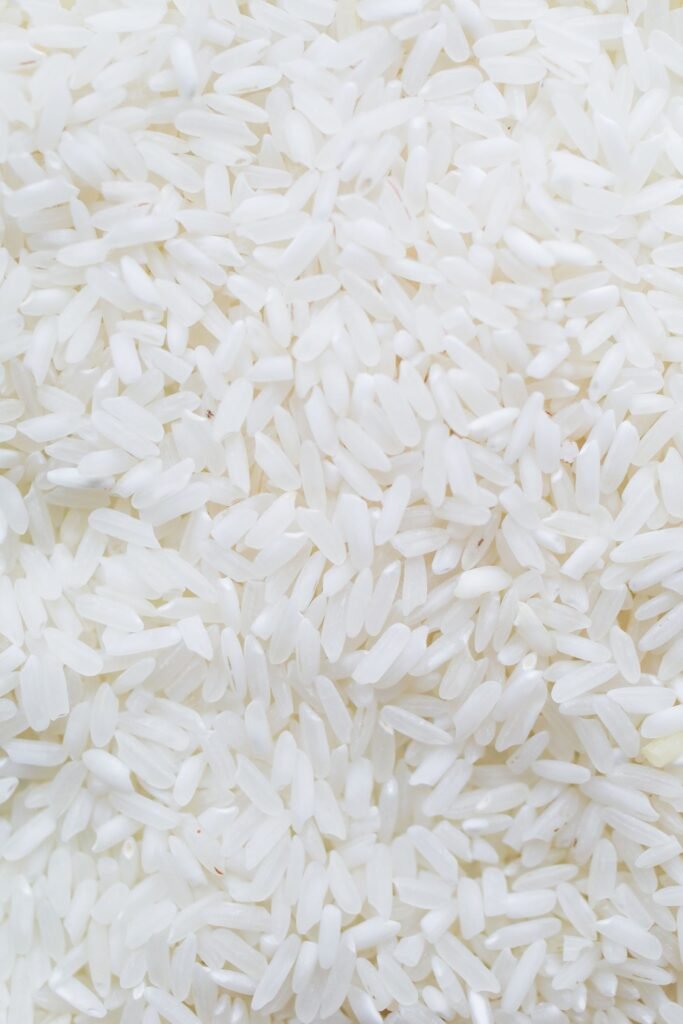
Look at the grain first. Genuine Hom Mali is a long, slender grain, noticeably longer than ordinary jasmine rice, with a slightly opaque white color rather than a glassy or translucent look. A bag with a lot of visibly shorter or chalkier grains mixed in is a bag that’s probably been blended, even if the invoice says otherwise.
Smell it raw. Authentic Hom Mali has a mild but noticeable fragrance even uncooked, something between pandan and popcorn that trained buyers learn to recognize after handling enough of it. A sample with no discernible aroma at all, straight out of the bag, is a weak signal on its own, but combined with anything else on this list it starts to add up.
Then cook a small batch and taste it plain, no seasoning. Genuine Hom Mali should be soft, slightly sticky when cooked, and the fragrance should carry through rather than disappearing. A blend will often cook up firmer and blander than the raw smell suggested, because the non-Hom Mali portion behaves differently under heat. None of this replaces a proper lab test if you need documentation for a large or repeat order, but it’s a reasonable first filter that costs you nothing but a few minutes.
What a Genuine Hom Mali Rice Supplier Should Be Able to Prove
Ask for a certificate of analysis tied to the specific lot you’re buying, not a generic template. Ask what variety was planted, Khao Dawk Mali 105 specifically is the benchmark most buyers recognize. Ask which growing region the paddy came from, and don’t accept a vague answer like “northern Thailand” when a specific province or district is a reasonable thing to expect from someone who actually controls their supply chain.
For buyers who need it in writing for a retail or government contract, third-party DNA or purity testing exists specifically to verify rice variety and detect blending, and a supplier confident in their product generally won’t push back on arranging it. If a Hom Mali rice supplier gets defensive or evasive when you raise DNA testing as a possibility, that reaction alone tells you something.
Questions Worth Asking Before You Commit
A short, direct list, worth running through with any Hom Mali rice supplier you’re evaluating: What specific variety is this, and can you confirm it’s Khao Dawk Mali 105 or RD15? What region was it grown in? Can I get a sample and a lot-specific certificate of analysis before ordering? Would you agree to third-party purity testing if I request it? What’s the crop year? A supplier who answers all five without hesitation is a very different proposition from one who only answers the first two.
Hom Mali Rice Versus Ordinary Jasmine Rice, and Why the Difference Affects Price
Buyers new to sourcing from Thailand sometimes treat “Hom Mali” and “jasmine rice” as interchangeable terms, and in casual conversation they often are used that way. Technically, though, Hom Mali is a specific, protected variety grown under specific conditions, while “jasmine rice” as a category can include a much wider range of aromatic long-grain varieties grown across Thailand, Vietnam, Cambodia, and elsewhere, with varying levels of fragrance and quality.
This matters for a Hom Mali rice supplier conversation because a quote for “jasmine rice” and a quote for “Hom Mali rice” can legitimately come in at different prices for a real reason, not just markup. If a supplier quotes Hom Mali pricing but the sample smells and cooks like a generic jasmine blend, that’s worth questioning directly rather than assuming it’s a translation issue.
We sell both on our site, priced separately, specifically because lumping them together misleads buyers who need the genuine variety for a specific market or contract. If your end customer or import documentation specifically calls for Hom Mali, ordering a general jasmine rice blend, even a good one, can create problems down the line that are more expensive to fix than they would have been to avoid at the sourcing stage.
Documentation and Shipping Terms
Beyond variety verification, a shipment should come with the standard export paperwork, certificate of origin, phytosanitary certificate, and typically a fumigation certificate. Pricing is usually quoted FOB from a Thai port, most often Bangkok or Laem Chabang, or CIF once the supplier has your destination port. The Incoterms rules from the International Chamber of Commerce spell out exactly where responsibility shifts from seller to buyer under each term, which matters more than people expect until they’ve been surprised by an unplanned freight bill.

Payment Terms That Are Normal
T/T with roughly a 30% deposit and the balance against shipping documents is standard for a new buyer working with a Hom Mali rice supplier for the first time. Letters of credit tend to appear once there’s a repeat order history. A supplier demanding full payment upfront, especially one who’s also been vague about variety and growing region, is a combination worth walking away from rather than negotiating around.
Crop Year and Why It Matters More for Hom Mali Specifically
Aromatic rice loses its fragrance faster than plain long-grain white rice, which means crop year matters more here than on most other rice lines in a catalog. A supplier sitting on Hom Mali stock from more than a year ago isn’t necessarily lying about the variety, but the aroma that justifies the price premium may have faded well before the container reaches your dock. Ask directly, and if possible, request a sample stored and shipped the same way the bulk order would travel, so you’re testing something close to the real experience rather than a fresh handful pulled straight from a controlled sample bag.
Why Buyers Choose Us as Their Hom Mali Rice Supplier
We mill Hom Mali rice out of Chiang Rai from the varieties and growing conditions that produce the genuine product, not a jasmine-style substitute wearing the name. Our Hom Mali Jasmine Rice page has the full specification sheet, and we send a pre-shipment sample and certificate of analysis before any buyer commits to a full container. If TIS 4004 certification matters for your import documentation, we’ve written specifically about that in our guide to TIS 4004 certified Hom Mali rice export, and if you want the fuller specification breakdown by grade, our piece on premium Thai Hom Mali rice grades and specs covers that in more depth than we can here.
For buyers newer to sourcing from Thailand generally, our Thai Hom Mali rice supplier buyer’s checklist and our breakdown of shipping documents and lead times with a Hom Mali rice exporter cover the logistics side in full. Minimum order is one 20ft container FOB Thailand, though we’ll work with smaller trial quantities for new accounts who want to verify quality first. Send your destination country and volume through our contact page and we’ll turn a quote around within a business day.
What to Do If You Suspect You’ve Already Been Sold Blended Rice
If a shipment has already landed and something feels off, texture that doesn’t match the sample, fragrance that’s noticeably weaker, or grain length that varies more than expected, don’t just write it off as bad luck. Pull a sample from several different bags in the shipment, not just one, since blending isn’t always evenly distributed through a container. A cook test across a few samples will tell you fairly quickly whether the whole shipment is affected or just part of it.
From there, go back to your supplier with specifics rather than a vague complaint. Reference the certificate of analysis they provided, note where the delivered product diverges from it, and ask directly whether the batch was blended or substituted. A supplier acting in good faith will usually work with you on a resolution, whether that’s a partial credit, a replacement shipment, or an adjusted price for future orders. One who stonewalls or gets evasive at this stage is confirming exactly the kind of supplier they are, and that’s useful information even if it doesn’t fix the shipment you already have.
For future orders, this is also the point where third-party testing earns its cost. A pre-shipment inspection arranged through an independent surveyor, checked against the agreed specification before the container leaves Thailand, catches problems while there’s still time to reject or renegotiate rather than after the rice is sitting in your warehouse.
A Quick Verification Checklist
Before committing a deposit to any Hom Mali rice supplier, run through this. Confirm the specific variety, Khao Dawk Mali 105 or RD15, in writing. Ask what region the paddy was grown in. Request a lot-specific certificate of analysis rather than a generic template. Ask whether third-party purity or DNA testing is something they’d support if you requested it. Confirm crop year. Get moisture, broken percentage, and admixture numbers in writing for the actual batch you’re buying, not a catalog average. None of this takes long to ask, and a supplier who answers cleanly is telling you something more useful than any price quote on its own.
Frequently Asked Questions
How can I tell if a Hom Mali rice supplier is selling the real variety?
Ask specifically for the variety name, Khao Dawk Mali 105 or RD15, and the growing region. A supplier who can answer precisely, and who supports third-party testing if you request it, is far more likely to be selling the genuine product than one offering only a generic “premium jasmine” description.
Is blended Hom Mali rice unsafe to eat?
No, blending isn’t a food safety issue, it’s a quality and pricing issue. A blend of genuine Hom Mali and ordinary long-grain rice is perfectly safe, it just won’t deliver the aroma and texture you’re paying a premium for, and selling it without disclosure is a fairness problem rather than a health one.
Does a higher price guarantee genuine Hom Mali rice?
Not by itself, but a price that’s noticeably below the market average for genuine Hom Mali is a reasonable signal that something’s been substituted or blended. Price alone isn’t proof either way, which is why asking for variety, region, and documentation directly matters more than the number on the quote.
What documents should a legitimate Hom Mali rice supplier provide?
At minimum, a lot-specific certificate of analysis, certificate of origin, phytosanitary certificate, and fumigation certificate. For buyers who need stronger verification, third-party DNA or purity testing can be arranged with most established suppliers on request.
Can I tell genuine Hom Mali rice apart from a blend just by looking at the bag?
Not reliably from packaging alone, since printed labels and photos don’t cost a supplier anything to get wrong. You can learn a lot from the grain itself though, checking length, color, and raw aroma against a known genuine sample, and a proper cook test will usually confirm what a label can’t.
Why does the growing region matter so much for Hom Mali specifically compared to other rice types?
Because the fragrance compound that defines Hom Mali develops more strongly under the particular soil and rainfall conditions found in areas like Thung Kula Rong-Hai. The same seed variety grown somewhere with richer soil and more consistent irrigation tends to produce a blander, less aromatic grain, which is part of why the region carries protected status rather than just the variety name on its own.
Finding a Hom Mali rice supplier isn’t hard. Finding one who’s actually selling the genuine, GI-recognized product, grown in the right region from the right variety, and willing to prove it rather than just claim it, takes a bit more work. Ask the direct questions, get the numbers in writing, and treat a supplier’s willingness to support third-party testing as a real signal rather than a formality.
That same willingness is also just a useful shortcut when you don’t have time to run every check yourself. A Hom Mali rice supplier who answers variety and region questions without hesitation, who doesn’t flinch at the idea of a lab test, and who can produce a lot-specific certificate rather than a generic one, has usually already done the work of controlling their supply chain properly. The ones who dodge those same questions are telling you something too, even if they never say it outright. Do the checking up front, and the rice that lands on your dock will actually be worth the name printed on the bag.