If you need a powdered sugar bulk supplier, chances are you’ve already run into the usual problem: sugar that looks fine in the sample bag and arrives at your bakery as a set of hard lumps. Powdered sugar is fussy. It’s fine, it pulls water out of the air, and it punishes bad packing. We’re DThai Company Limited, a powdered sugar bulk supplier shipping icing sugar from Thailand to bakeries, confectioners, beverage plants and distributors all over the world. Below is what we sell, the full specification, how we pack it so it survives the trip, and how to order.
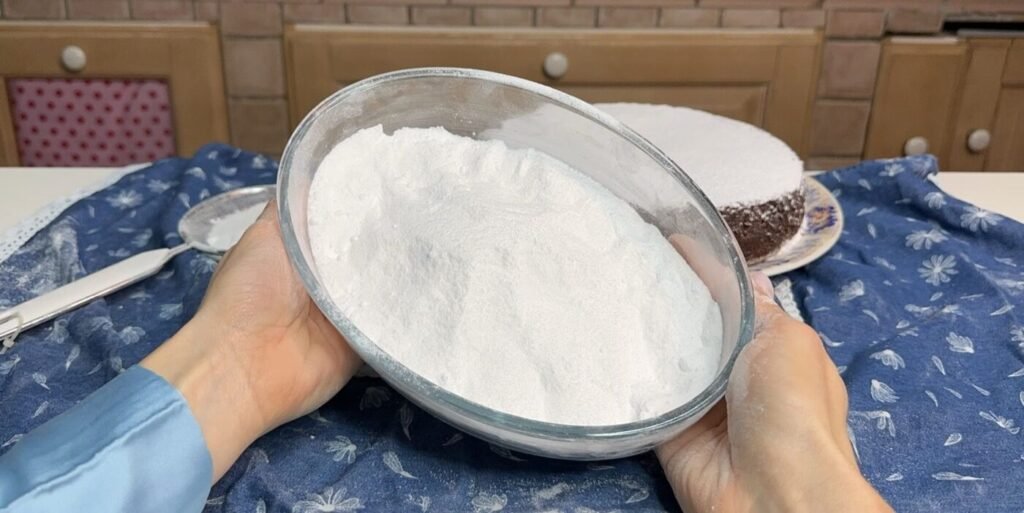
Table of Contents
What Powdered Sugar Actually Is
Powdered sugar is refined white sugar milled into a very fine powder. You’ll see it sold as icing sugar, confectioners’ sugar or 10X sugar depending on the country. Because sugar that fine soaks up moisture and clumps, a small amount of starch is mixed in to keep it flowing.
That’s really all a powdered sugar bulk supplier is selling: refined sugar plus fine milling plus an anti-caking agent. But each of those three things changes how it behaves in your mixer, so it’s worth knowing what to ask your powdered sugar bulk supplier about each one.
The fineness grades you sometimes see, like 6X and 10X, describe how fine the powder is. The higher the number, the finer the sugar. Most icing, frosting and dusting work uses the finest grade.
Our Powdered Sugar Specifications
This is the spec we quote and load against as a powdered sugar bulk supplier. You’ll get the figures for your own lot before it ships.
| Parameter | Specification |
|---|---|
| Product | Powdered (icing) sugar, finely milled refined cane sugar |
| Anti-caking agent | Cornstarch, typically 2 to 3% |
| Fineness | 95%+ passing a fine mesh sieve |
| Moisture | 0.5% max |
| Color | Bright white |
| Packing | 500g, 1kg and 5kg retail bags, 25kg bulk bags, 1,000kg jumbo bags |
| Shelf life | 18 months in sealed, dry storage |
| Origin | Thailand, cane sugar |
| Loading ports | Bangkok or Laem Chabang |
Some factories want a starch-free product, or a different anti-caking agent, for labeling reasons. If that’s you, tell us before we quote. A powdered sugar bulk supplier can’t swap the starch after the sugar is milled, so it has to be agreed up front.
The product listing is on our powdered sugar for sale page.
Grades We Can Supply
Most buyers only need one thing: fine, white, free-flowing icing sugar. But a few specialist users want something slightly different, and a flexible powdered sugar bulk supplier should be able to handle that. These are the variations we’re asked for most:
- Standard icing sugar with 2 to 3% cornstarch. The everyday product for bakeries and retail.
- Extra-fine grade for smooth fondant, royal icing and decorating work, where even slight grit shows.
- Starch-free powdered sugar for drink mixes and some confectionery, packed with extra care because it cakes faster.
- Retail-ready packs in 500g, 1kg and 5kg bags, plain or printed with your brand.
Tell us which one you need when you ask for a quote. As your powdered sugar bulk supplier, we’ll confirm the sieve result and moisture for that exact grade before you pay anything.
Why the Fineness Matters So Much
People new to buying icing sugar sometimes think any finely ground sugar will do. It won’t. Sugar that isn’t milled fine enough leaves a gritty feel in icing, buttercream and glazes. Customers notice it immediately, even if they can’t say what’s wrong, and they blame your brand, not your powdered sugar bulk supplier.
Fine powder dissolves almost on contact with liquid. That’s why it makes smooth glazes, whips into frosting without grit and dusts evenly over a cake. It’s also why drink makers use it in powdered beverage mixes, where coarse sugar would sit at the bottom of the glass.
Ask any powdered sugar bulk supplier what percentage passes through the sieve, and get it in writing. That one number tells you more about the product than any description.
The Starch Question
The anti-caking agent your powdered sugar bulk supplier adds is there for a reason. Without it, fine sugar packs into a solid cake within weeks in a humid warehouse. Cornstarch at around 2 to 3% is the standard choice, and it’s what we use.
Two things to think about:
- Labeling. If you repack and sell under your own name, the starch has to appear on your ingredient list. Check your country’s rules.
- Use. In most baking the starch makes no difference. In some confectionery or drink applications, buyers prefer no starch at all and accept the shorter storage life that comes with it.
If you’re not sure which you need, order samples of both and test them in your actual product. That’s the honest answer any good powdered sugar bulk supplier should give you.
Using Powdered Sugar in Production: Notes From Our Buyers
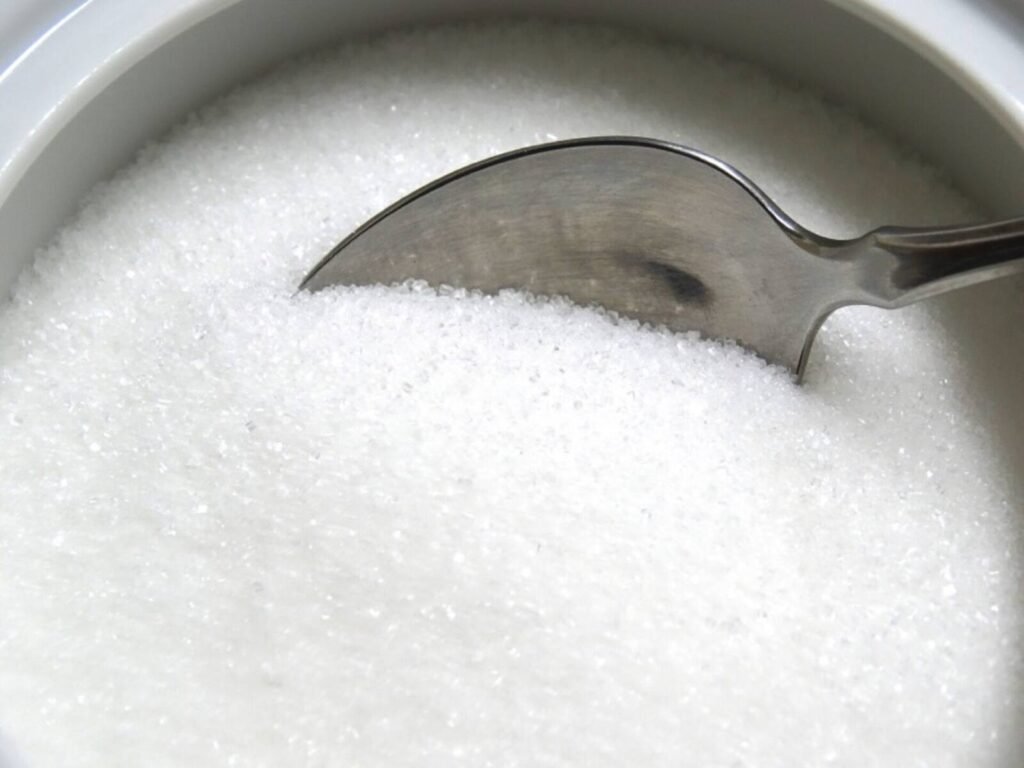
We’re a powdered sugar bulk supplier, not a bakery. Still, after shipping a lot of this product we hear the same tips from customers again and again, and they’re worth passing on.
- Sift before you mix if the bag has been open a while. It takes seconds and removes any small lumps that formed in storage.
- Add it slowly to liquids. Powdered sugar dissolves fast, but dumping a whole bag into a mixer throws a cloud of sugar dust everywhere and wastes product.
- Watch dust in the factory. Fine sugar dust spreads easily. Good extraction and housekeeping in the mixing area matter, for cleanliness and safety.
- Keep the same starch level between batches. Switching to a sugar with more or less starch can change how a glaze sets or how a frosting holds its shape.
- Don’t swap it 1:1 for granulated sugar by volume. It’s much lighter per cup, so measure by weight.
If you’re moving your production over from another powdered sugar bulk supplier, run one batch side by side with your current sugar before you commit to a full container. Small differences in fineness or starch show up in the finished product, and it’s better to find them in a test than in a customer complaint.
Who Buys Powdered Sugar in Bulk From Us
- Industrial bakeries making iced buns, doughnuts, cakes and biscuits. Mostly 25kg bags.
- Confectionery makers producing fondant, marshmallow, chewing gum coating and pressed mints.
- Beverage and dessert mix producers who blend powdered sugar into instant drinks, puddings and frosting mixes.
- Dairy and ice cream plants using it in toppings and fillings.
- Retail packers and brands selling 500g and 1kg icing sugar bags under their own label.
- Importers and distributors supplying all of the above in their own market.
As a powdered sugar bulk supplier, we notice that bakeries care most about smoothness, confectioners about consistency between lots, and distributors about how well the bags survive handling. Tell us which group you’re in and we’ll quote with that in mind.
What We Test Before Every Shipment
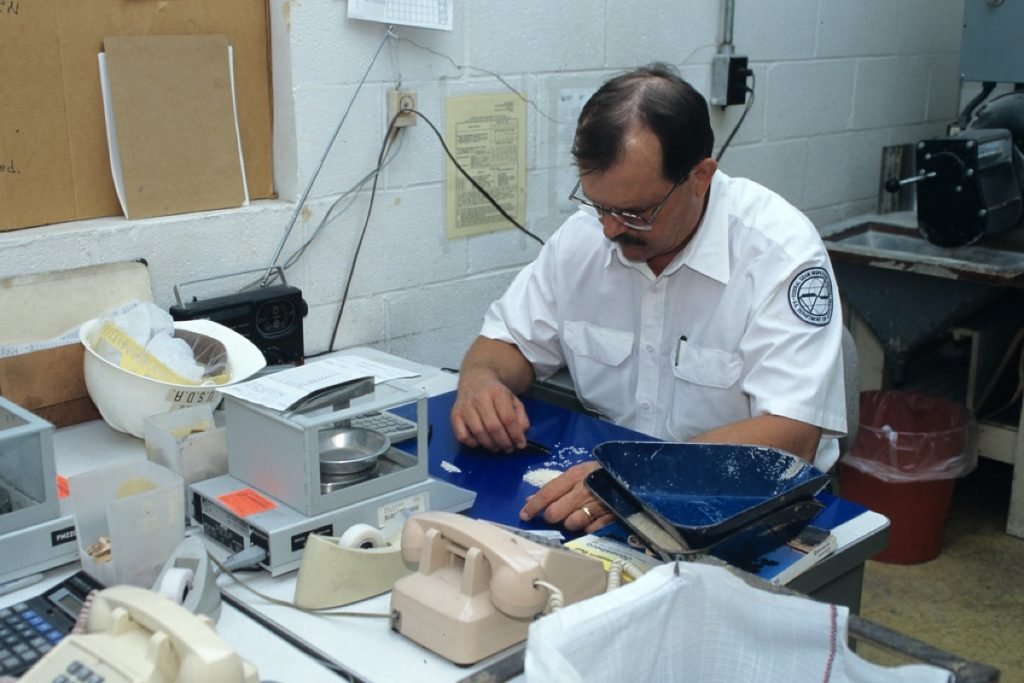
Every lot we load gets checked before it’s packed. As a powdered sugar bulk supplier, these are the numbers we look at and put on the certificate of analysis:
- Fineness. How much passes through the sieve. This is the main quality number for icing sugar.
- Moisture. It has to be very low, or the sugar will cake in the bag.
- Starch level. Checked against what’s in your contract.
- Color and appearance. Bright white, no specks, no off smell.
- Bag weight. Spot checks on filled bags so you get the net weight you paid for.
You’re welcome to send your own surveyor to check the same things at loading. A powdered sugar bulk supplier that has nothing to hide won’t mind.
Packing: Where Powdered Sugar Is Won or Lost
This is the part most buyers underestimate when they pick a powdered sugar bulk supplier. Powdered sugar is more sensitive to moisture than granulated sugar, simply because there’s so much more surface area. A bag that would be fine for white sugar can let enough damp in over a five-week voyage to turn icing sugar into bricks.
Here’s how we pack as a powdered sugar bulk supplier:
- 25kg bags are multi-wall paper or PP with a sealed PE inner liner.
- 1,000kg jumbo bags have a full inner liner and a discharge spout for factories with tipping systems.
- Retail packs of 500g, 1kg and 5kg are sealed and packed in outer cartons or bales, with your brand printed if you want.
- Containers are checked clean and dry before loading, and we can add container liners and desiccant bags for humid routes.
A 20-foot container usually takes around 20 to 25 tons of powdered sugar, depending on bag type and whether it’s palletized. Powder takes up more room than granulated sugar, so expect a little less weight per container than you’d get with white sugar.
Storing Powdered Sugar After It Arrives
Even the best packed sugar can be spoiled in the last week. Most of the problems we’ve heard about from buyers who used another powdered sugar bulk supplier happened in their own warehouse, not at sea.
- Keep bags on pallets, away from walls and off concrete floors.
- Store in a dry room. If you can, keep humidity low and temperature steady.
- Don’t stack too high. Heavy stacking compacts the bottom bags.
- Keep it away from strong smells like spices or cleaning products.
- Reseal opened bags properly, or use them up the same day.
- Sell or use oldest stock first.
If a bag does firm up a little, a quick sieve before use usually fixes it, and it doesn’t mean your powdered sugar bulk supplier sent bad sugar. But it’s much easier to avoid.
Powdered Sugar vs Granulated White Sugar vs Caster Sugar
| Powdered sugar | Caster (superfine) sugar | Granulated white sugar | |
|---|---|---|---|
| Texture | Fine powder | Very small crystals | Regular crystals |
| Anti-caking agent | Yes, usually starch | No | No |
| Dissolves | Almost instantly | Quickly | Slowly in cold liquid |
| Best for | Icing, frosting, glazes, dusting, drink mixes | Meringues, sponges, cocktails | General baking, drinks, manufacturing |
| Storage risk | Highest | Medium | Lowest |
As a powdered sugar bulk supplier we sell refined white sugar as well, and many of our buyers order both in one container. If you’re comparing the full range, our Thai sugar supplier guide covers every grade we ship, and our guide to ICUMSA sugar grades explains the color scale used for the base sugar.
Private Label Icing Sugar
A lot of our powdered sugar goes out in retail bags with someone else’s name on them. Supermarket chains, baking brands and distributors use us as their powdered sugar bulk supplier and private-label packer at the same time, which saves them repacking in their own country.
Here’s how it works. You send us your artwork and bag size. We confirm the bag material, print the bags, and pack the sugar into them at the same time as we would pack bulk bags. The bags then go into outer cartons or bales and onto pallets, ready for your warehouse.
The first private-label order takes longer because the artwork has to be approved and the bags printed. After that, repeat orders run on our normal schedule. Make sure your design includes everything your country requires on a food label, such as ingredients (including the starch), net weight, best-before date, your company address and a barcode. A good powdered sugar bulk supplier will check the bag layout with you, but the legal content is your responsibility in your own market.
Markets We Ship Powdered Sugar To
We work as a powdered sugar bulk supplier for buyers in many regions. Each tends to want something a little different:
- The Middle East and the Gulf. Big bakery and sweets industries, mostly 25kg bags, steady monthly orders.
- Africa. Distributors and bakeries who need strong bags that survive rough handling inland.
- Asia-Pacific. Short transit times, so buyers often order smaller, more frequent lots.
- Europe and the Americas. Food manufacturers who want full documentation and tight specs for their quality systems.
- Oceania and the Pacific islands. Smaller markets that usually combine sugar with rice or oil in one container.
Wherever you are, we’ll suggest the bag type and liner that suits your route and climate.
Spot Orders and Monthly Supply
Some buyers come to us for one container to cover a gap. Others want the same quantity every month. Both are fine. Most of our regular customers started with a single trial container, saw how we handled the packing and paperwork, and then moved to a monthly contract.
Monthly supply gives you steadier pricing and means we can plan milling around your shipments, so the sugar is packed fresh each time. If you’re switching from another powdered sugar bulk supplier, a spot order first and a contract after is usually the sensible way to do it.
How to Check a Powdered Sugar Bulk Supplier
Before you send a deposit to any powdered sugar bulk supplier, including us, ask these questions. A real seller answers them in a day.
- What percentage passes through the sieve, and which mesh size?
- Which anti-caking agent is used, and at what percentage?
- What is the moisture figure for the lot you’re quoting?
- What bags and liners do you use for export?
- Can I have a sample from the lot you’ll actually ship?
- Will you accept an independent inspection before loading?
- Is the company on the contract the same as the shipper on the Bill of Lading and the owner of the bank account?
Then test the sample in your own product. Make a batch of icing. If it’s gritty or lumpy straight out of a sample bag, it won’t get better after six weeks in a container.
What Moves the Price
We don’t print a price here because sugar prices move every week. Ask and we’ll quote you the same or next working day. These are the things that decide it:
- World sugar prices. Powdered sugar follows the price of refined white sugar, plus milling and packing.
- Packing. Retail packs cost more per ton than 25kg bags. Jumbo bags are usually cheapest.
- Special requests. Starch-free, special mesh sizes or private-label printing add cost.
- Volume. Full containers and monthly contracts get better pricing than one-off lots.
- Incoterm and freight. FOB and CIF prices can be very different.
A powdered sugar bulk supplier quoting far below the price of refined white sugar plus milling is cutting something. Usually it’s the sugar quality, the starch level or the bags.

Documents, Shipping and Payment
Every shipment comes with a commercial invoice, packing list, Bill of Lading, Certificate of Origin and certificate of analysis. Health, halal or other certificates are available on request depending on your country. The full list is in our guide to bulk sugar import documentation.
We load from Bangkok or Laem Chabang, usually 10 to 20 days after your deposit clears. Transit takes about a week to most of Asia and roughly three to six weeks to the Middle East, Africa, Europe and the Americas. We quote FOB or CIF, and the ICC Incoterms rules spell out where cost and risk pass to you under each.
First orders are normally paid by T/T, 30% deposit and the balance against shipping documents. Repeat buyers can move to a Letter of Credit on larger contracts. More on routes and timing is on our shipping page.
Why Choose DThai as Your Powdered Sugar Bulk Supplier
- Lot-specific moisture and fineness figures, in writing, before you pay.
- Lined export bags as standard, and container liners for humid routes.
- Samples from the lot we’ll ship, so you can test in your own product.
- Starch level agreed in the contract, not changed between shipments.
- Mixed containers with brown sugar, demerara, coconut sugar or rice, so smaller buyers can still fill a container.
- Private-label retail packs if you’re building your own brand.
The whole range is listed on our sugar for sale page, and our supply contracts page explains how monthly agreements work.
How to Order
- Send us your quantity, bag size, starch preference and destination port.
- We send a quote, FOB or CIF.
- We send a sample from the lot. You test it.
- We sign a contract with the spec, packing, port, shipment date and payment terms.
- You pay the deposit and we mill, pack and load.
- We send the documents, you pay the balance, and the sugar ships.
Start on our contact page. Tell us what you’re making and we’ll tell you honestly which pack and spec we’d use.
Frequently Asked Questions
What is the minimum order?
One 20-foot container is our standard minimum. For new buyers, we can often add powdered sugar to a mixed container with other sugars.
Can I get powdered sugar without starch?
Yes, on request. It has to be agreed before milling, and it needs more careful storage because it cakes more easily.
How long does powdered sugar keep?
About 18 months in sealed bags in a dry store. Once a bag is open, use it quickly or reseal it well.
Do you pack under my brand?
Yes. We pack 500g, 1kg and 5kg bags with your artwork. The first run takes a little longer while the bags are printed.
What is the difference between icing sugar and powdered sugar?
None in practice. Icing sugar, powdered sugar and confectioners’ sugar are different names for the same product in different countries.
How do I choose a powdered sugar bulk supplier?
Ask for lot-specific fineness and moisture figures, a real sample, details of the bags and liners, and an independent inspection at loading. Then test the sample in your own product before you order a container.
Do you ship worldwide?
Yes. We ship to Asia, the Middle East, Africa, Europe, the Americas and Oceania, and quote FOB or CIF to your port.
Powdered sugar is a simple product to use and a tricky one to ship. Pick a powdered sugar bulk supplier who gets the milling, the starch and the bags right, and you’ll open every bag to the same fine, free-flowing sugar. That’s what we aim for on every container. Send us your order details and we’ll get a quote back to you.