If you’re new to buying sugar internationally, the ICUMSA number on a spec sheet can look like a purity rating. It isn’t, exactly, and understanding what ICUMSA sugar grades actually measure will save you from ordering the wrong grade for your application. We’re DThai Company Limited, and we export ICUMSA-graded sugar to buyers across the Gulf, Africa, Europe, the Americas, and Asia-Pacific, so this guide covers what the scale means, which grade fits which use case, and what to check on a Certificate of Analysis before you commit to an order.
What the ICUMSA Scale Actually Measures
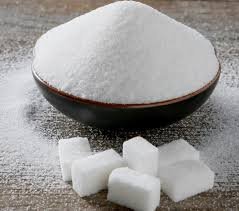
ICUMSA, the International Commission for Uniform Methods of Sugar Analysis, is a color scale, not a purity scale. It measures how much light passes through a sugar solution, expressed in ICUMSA units, IU for short, and the lower the number, the whiter and more refined the sugar looks. A sugar with an ICUMSA rating of 45 is highly refined and nearly colorless, while a rating in the hundreds to low thousands describes raw or less-refined sugar carrying a visible amber or brown tint. Purity and color are strongly correlated in practice, which is why the scale works as a reliable shorthand across the trade, but the number itself is measuring color, not the underlying sucrose content directly.
Buyers new to ICUMSA sugar grades sometimes assume a lower number always means a better product. That’s true for applications where visual clarity matters, but plenty of buyers specifically want a higher ICUMSA number, brown sugar and muscovado sugar are valued precisely because they retain more of the molasses content that refining strips out.
Common ICUMSA Sugar Grades and Their Uses
| ICUMSA Grade | Color | Typical Use |
|---|---|---|
| ICUMSA 45 | Nearly colorless, highly refined | Retail white sugar, soft drinks, food manufacturing |
| ICUMSA 100 | Very light | Food and beverage processing where slight color is acceptable |
| ICUMSA 150 | Light amber | Industrial and general food-grade use |
| ICUMSA 600-800 | Amber to light brown | Brown sugar for retail and baking |
| ICUMSA 800-1200 | Dark brown | Muscovado and raw sugar for specialty and industrial buyers |
ICUMSA 45 sugar is the standard for retail-ready white sugar, soft drinks, and any application where color and clarity matter to the end customer. Higher ICUMSA numbers, meaning less refined and more color, show up in brown sugar and muscovado sugar, both valued precisely because they keep more of the molasses content that refining removes. The “less refined” trait is the selling point on those grades, not a defect, and it’s worth explaining that distinction to any buyer new to the category.
Beyond Color: The Other Specifications That Matter
Color is only one figure on a proper sugar spec sheet. Polarization, the measured sucrose content, should sit at 99.7 to 99.9 degrees for refined white sugar and lower for raw grades. Moisture should stay under 0.1% for refined sugar to prevent caking during shipping and storage. Ash content, granule size, and sulphur dioxide residue also appear on a complete Certificate of Analysis, and a supplier who can only quote you the ICUMSA color figure without these supporting numbers is giving you an incomplete picture of what you’re actually buying.
| Specification | ICUMSA 45 (Refined) | Raw / Muscovado |
|---|---|---|
| Polarization | 99.7-99.9° | 96-99° |
| Moisture | 0.05% max | Up to 2% |
| Ash content | 0.03% max | Up to 3% |
| Granule size | Fine, uniform | Coarser, less uniform |
Choosing the Right Grade for Your Business
Retail and food manufacturing buyers who need a neutral, shelf-stable product almost always order ICUMSA 45 or a similarly low-color refined grade. Beverage manufacturers in particular are strict about color consistency, since even a slight tint can affect a clear drink’s appearance. Bakeries and specialty food brands building a product around a richer flavor profile often specifically request a higher ICUMSA grade, since the retained molasses contributes both color and taste that a fully refined sugar doesn’t carry. Industrial buyers using sugar as a fermentation feedstock or in a manufacturing process where color is irrelevant sometimes choose a mid-range grade purely on price, since the visual clarity that drives ICUMSA 45’s premium doesn’t matter for their application.
Packaging Formats
- 1kg and 2kg retail bags for supermarket and grocery shelving
- 25kg and 50kg PP or PP-laminated bags for wholesale distribution and food manufacturing buyers
- 1,000kg jumbo bags for industrial buyers and large-scale food processors
- Custom private label printing available directly on the bag for retail programs
How ICUMSA Sugar Is Priced
ICUMSA sugar grades are priced in USD per metric ton, quoted FOB from a Thai port or CIF to your named destination. Refined grades like ICUMSA 45 typically command a premium over raw and brown grades, reflecting the additional processing required to strip color and impurities from the raw cane. Global sugar prices move with weather conditions in major producing regions, currency movement, and shifts in ethanol demand, since a meaningful share of sugarcane globally is diverted to ethanol production depending on relative pricing. According to USDA’s World Agricultural Supply and Demand Estimates, global sugar production and stock levels shift meaningfully year to year, which is one reason we refresh our quotes weekly rather than holding a static price list.
Minimum Order and Lead Times
Our practical minimum for container pricing on any ICUMSA grade is one 20-foot container, roughly 25 metric tons depending on packaging format. Once a deposit clears, we typically load and ship within 10 to 20 days, depending on how much of the order needs fresh processing versus how much is already bagged and ready. Every shipment includes a Certificate of Origin, Certificate of Analysis, Packing List, Commercial Invoice, and Bill of Lading, with Halal and Health Certificates available on request. If you have already settled on the top grade, our guide to working with an ICUMSA 45 sugar supplier walks through specs, testing and how to avoid fake offers.
ICUMSA Sugar Quality Control and Traceability
Every batch we export is traceable back to the specific production run it came from, with polarization, moisture, and color readings kept on file for each shipment. If a buyer raises a quality question after a container arrives, we look up the recorded readings for that exact lot instead of answering from a general spec sheet. When comparing suppliers for ICUMSA sugar grades, ask directly whether they keep this kind of record and whether they’ll share it if a question comes up, since a supplier who can only offer a general spec sheet regardless of production lot is a weaker bet on a large order.
Common Mistakes Buyers Make With ICUMSA Sugar
- Assuming a lower ICUMSA number is always better, rather than matching the grade to the actual application
- Ordering on ICUMSA color alone without checking polarization, moisture, and ash content
- Not confirming granule size, which matters for dissolving speed in beverage and food manufacturing
- Comparing quotes that are not for the same ICUMSA grade and bag format
- Skipping a sample and lab test before committing to a full container on a new grade
ICUMSA Sugar Storage and Shelf Life
Refined sugar with low moisture content stores well for years in a cool, dry warehouse, provided bags are kept off the floor and away from humidity sources that can trigger caking. Raw and brown sugar grades carry more residual moisture and molasses, which makes them more prone to clumping over time, so buyers ordering these grades should plan for faster turnover or drier storage conditions than they would for a fully refined grade. Rotate older stock to the front of your picking line regardless of grade, and avoid storing sugar near anything with a strong odor, since it absorbs smells more readily than most buyers expect.
Why Thailand for Sugar Exports
Thailand is one of the world’s largest sugar exporters, with a milling industry built around processing sugarcane harvested across the country’s central and northeastern growing regions. That scale means most Thai mills can produce across the full range of ICUMSA sugar grades from the same cane supply, refined white for food and beverage buyers, and raw or brown grades for buyers who specifically want the retained molasses character. Buyers sourcing from an established Thai exporter benefit from mill infrastructure and export documentation practices that have been standardized over decades of international trade, which tends to mean fewer surprises at customs than with a newer or less experienced origin.
Comparing Quotes Across Suppliers
When comparing quotes for ICUMSA sugar grades across more than one exporter, confirm each one is quoting the exact same color band, since “ICUMSA 45” from one supplier and “ICUMSA 45” from another can still carry slightly different polarization or moisture figures depending on the mill’s process controls. Ask whether the price includes a Certificate of Analysis for the specific production lot shipping, standard export documentation, and fumigation where applicable, since some quotes bundle these costs in and others treat them as extras, which makes a direct price comparison harder than it should be. A quote that looks noticeably cheaper than the rest almost always reflects a difference somewhere in these supporting specs, not just a better deal on the same product.
Combining Sugar With Other Products on One Container
Buyers who also import rice or sunflower oil often blend those orders onto the same container as sugar to spread freight cost across more product, since the shipping lane and much of the documentation stay consistent regardless of how many product lines share the container. If you’re planning to combine ICUMSA sugar grades with another commodity for the first time, mention that upfront when requesting a quote, since it affects container packing and the documentation that gets issued for the shipment.
How to Order
- Send your target ICUMSA grade, packaging format, volume, and destination port
- Receive a formal quotation with a spec sheet covering color, polarization, and moisture
- Confirm the order and receive a proforma invoice
- Settle payment terms, usually a T/T deposit with the balance paid on shipping documents
- We schedule production and loading, then send tracking and the full document set once the vessel sails
Our contact page reaches the export desk directly if you want a formal quote across multiple ICUMSA sugar grades for comparison.
How Refining Actually Changes the Color
Raw sugarcane juice is boiled and crystallized into raw sugar carrying most of its natural molasses coating, which is where the darker color and stronger flavor of unrefined ICUMSA sugar grades comes from. Refining washes and re-crystallizes that raw sugar, stripping away the molasses layer in stages until the crystal reaches the target color band. Each additional refining pass moves the ICUMSA number lower, but also adds processing cost, which is the real driver behind why ICUMSA 45 sits at a premium over a mid-range or raw grade. Buyers sometimes assume the price difference is purely markup, when in practice it reflects real additional processing steps.
A Buyer’s Checklist Before Ordering
- Confirm which ICUMSA color band your application actually needs, rather than defaulting to the lowest number available
- Request polarization, moisture, and ash content alongside the ICUMSA figure on the Certificate of Analysis
- Check granule size if the sugar will be used in a beverage or fast-dissolving application
- Confirm packaging format and labeling requirements for your destination market
- Have a sample tested at an independent lab before ordering a full container of a new grade
Working through this checklist before placing a first order on any of the ICUMSA sugar grades above catches most of the mismatches we see between what a buyer ordered and what their application actually needed.
Thai vs Brazilian ICUMSA 45
A lot of the offers you’ll receive say “Brazilian ICUMSA 45”. Brazil is the biggest sugar exporter in the world and makes excellent refined sugar, so there’s nothing wrong with Brazilian sugar itself. The problem is that the name gets used by sellers who have no link to Brazil at all.
Our sugar is Thai, and our paperwork says so. Whatever origin you buy, the Certificate of Origin, the loading port on the Bill of Lading and the mill on the certificate of analysis should all tell the same story. If an ICUMSA 45 sugar supplier offers Brazilian sugar but can’t tell you which port in Brazil it loads from, ask why. For buyers in Asia, Africa, the Middle East and Oceania, Thai sugar usually also means a shorter sea journey and lower freight than shipping from South America.
ICUMSA 45 vs ICUMSA 150 vs Raw Sugar
| ICUMSA 45 | ICUMSA 100 to 150 | ICUMSA 600 to 1,200 | |
|---|---|---|---|
| Common name | Refined white sugar | Plantation or mill white | Raw or brown sugar |
| Color | Bright white | Off-white | Light to dark brown |
| Typical use | Drinks, confectionery, retail | Domestic markets, cooking, industrial use | Further refining, specialty products |
| Price | Highest | Lower | Lowest per ton |
If your product cooks or dissolves the sugar anyway and color doesn’t show, ICUMSA 150 can save money. If you’re selling white sugar to consumers or putting it into a clear drink, stay with ICUMSA 45. We supply both, plus brown sugar, demerara and powdered sugar, so we’ll tell you honestly which one fits.
7 Warning Signs of a Fake ICUMSA 45 Offer
We have to talk about this, because it’s the first thing most buyers ask us. The ICUMSA 45 trade is full of fake offers. Some come from brokers who don’t actually have sugar, and some are outright scams designed to collect “fees”. After years of hearing buyers’ stories, these are the signs we’d look for in any ICUMSA 45 sugar supplier, ourselves included.
1. Huge Volumes at a Price Below the Market
Offers of 50,000 tons a month for twelve months, at a price well below what the market is paying, are the classic opener. A real ICUMSA 45 sugar supplier prices close to the market. Nobody sells a year of sugar at a big discount to a stranger.
2. Fees Before Anything Moves
If you’re asked to pay for an “export licence”, “registration”, “insurance bond” or “document release” before you’ve seen a sample or signed a proper contract, stop. A real ICUMSA 45 sugar supplier takes a deposit against a contract and a proforma invoice, and the goods get produced and loaded against that.
3. A Chain of Acronyms Instead of a Contract
Long procedures built around documents like ICPO, LOI, FCO, POP and BCL, with “proof of funds” demanded before the seller shows proof of product, are a strong sign of a broker chain or a scam. Real trade can use some of these terms, but it always comes back to a clear sales contract, a sample and an inspection.
4. No Samples and No Inspection
A real ICUMSA 45 sugar supplier sends samples and accepts an independent surveyor at loading. Someone who says the sugar is “already sold, no samples” or refuses inspection doesn’t have sugar to show you.
5. Names That Don’t Match
The company on the contract, the bank account you’re paying and the shipper on the Bill of Lading should be the same company, or the link between them should be clearly explained. Payment to a personal account or to a company in a third country with no explanation is a red flag.
6. Old or Unverifiable Reports
An inspection report from years ago, or one you can’t verify with the inspection company, proves nothing. Ask for a current certificate of analysis for your lot and check any surveyor report with the surveyor directly.
7. Pressure and Deadlines
“Sign today or the allocation goes to another buyer” is a sales trick, not a trade practice. A real ICUMSA 45 sugar supplier will give you time to check samples and get advice.
None of this is meant to scare you off buying. It’s meant to help you spot the difference quickly, so you spend your time with sellers who actually have sugar.
Testing ICUMSA 45 in Your Own Lab
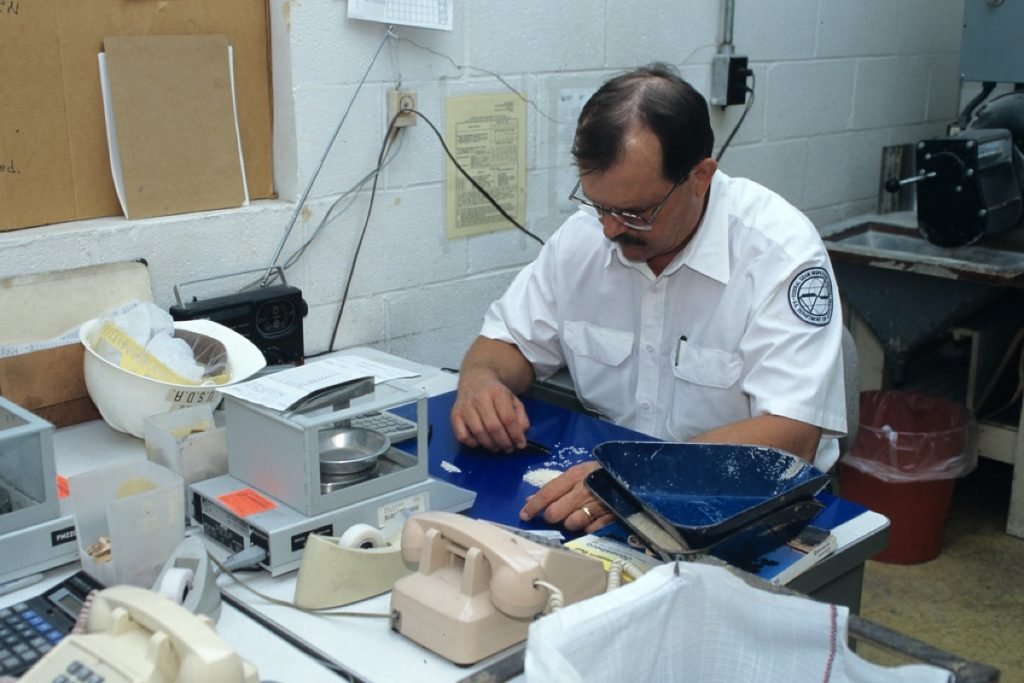
You don’t have to take any ICUMSA 45 sugar supplier’s word for the numbers. Most food and drink plants already have the equipment to check the main ones, and an independent lab can do the rest in a few days.
- Color. Measured on a sugar solution with a spectrophotometer at 420 nm using the ICUMSA method. This is the number that tells you whether it’s really ICUMSA 45.
- Polarization. Measured with a polarimeter. It tells you how much of the sugar is sucrose.
- Moisture. Measured by drying a weighed sample. Refined sugar should be very dry.
- Ash. Shows the level of mineral impurities left after refining.
- Look and taste. Free-flowing white crystals, no smell, no specks, and a clean sweet taste in water.
Test the sample we send against the certificate of analysis. If the numbers match, you know what you’re buying. If an ICUMSA 45 sugar supplier won’t send a sample for you to test, that tells you something too.
Spot Orders and Monthly Contracts
Buyers come to us in two ways. Some want a single container to test us or cover a gap in supply. Others want a fixed volume every month for six or twelve months.
Spot orders are fine, and most of our long-term customers started with one. You get a quote based on the current market, one shipment, and a chance to see how we handle the paperwork and loading. Monthly contracts give you more stable supply and better pricing, and they let us plan production around your shipments. If you’re switching from another ICUMSA 45 sugar supplier, a spot order first and a contract after is usually the sensible order of things.
Frequently Asked Questions
What does the ICUMSA number actually mean?
It measures the color of a sugar solution in ICUMSA units. Lower numbers mean whiter, more refined sugar, while higher numbers describe raw or less-refined sugar with more visible color.
Which ICUMSA grade should I order?
It depends on your application. Retail and beverage buyers generally want ICUMSA 45, while bakeries and specialty food brands may specifically want a higher-color grade for its flavor and appearance.
What’s the minimum order quantity?
One 20-foot container, roughly 25 metric tons, is our practical minimum for standard container pricing across all ICUMSA sugar grades.
Can I get a sample before ordering a full container?
Yes. We send a pre-shipment sample along with a Certificate of Analysis so you can verify color, polarization, and moisture before committing to a full order.
Do you ship worldwide?
Yes. We ship ICUMSA sugar grades to buyers across the Gulf, Africa, Europe, the Americas, and Asia-Pacific, with pricing quoted FOB or CIF depending on your destination.
Can I get private label packaging?
Yes, we print buyer artwork directly on the bag for retail programs, which holds up better through long shipping cycles than an applied sticker. Lead time on a first private label run is longer since artwork needs approval before printing.
Is brown sugar just unrefined white sugar?
Essentially yes. Brown sugar sits higher on the ICUMSA scale because refining hasn’t stripped out the molasses content, which is what gives it both its color and its distinct flavor compared to fully refined white sugar.
Can I get independent lab verification of the ICUMSA rating?
Yes. For larger orders, we routinely accommodate third-party inspection through SGS or an equivalent surveyor to verify color, polarization, and moisture before the container is sealed.
Do you ask for proof of funds or upfront fees?
No. We work on a normal contract with a deposit against a proforma invoice. We don’t charge for documents or ask for proof of funds before you’ve seen the sugar.
Do you accept SGS or other inspection?
Yes. You can appoint SGS, Intertek, Bureau Veritas or another recognized surveyor to inspect at loading, at your cost.
If you’re ready to move past general research and want a real quotation across ICUMSA sugar grades, send us your target grade, volume, and destination and we’ll get numbers back to you within a business day.