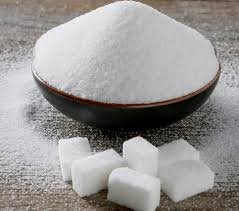
Demerara sugar has a specific identity, large golden crystals, a light molasses coating, a crunch that plain brown sugar doesn’t have. It also has a naming problem: because the name refers to a historical growing region rather than a protected designation, plenty of what’s sold as “demerara sugar” is really just raw or turbinado sugar with a more marketable label stuck on it. If you’re looking for a demerara sugar supplier, that distinction is worth understanding before you order. For a full breakdown of the color scale itself, see our guide on ICUMSA sugar grades explained. If you want the full document checklist before you order, see our guide on bulk sugar import documentation.
We’re DThai Company Limited. We process and export demerara sugar out of Thailand alongside six other grades, so we’d obviously like your business. But this is a rundown of what genuine demerara sugar actually is, how to tell it apart from a substitute, and what to check before you commit a deposit to any supplier, us included.
Table of Contents
What Demerara Sugar Actually Is
The name comes from the Demerara region of Guyana, where large-crystal raw cane sugar was historically produced and shipped to Europe. Today the term is used more loosely across the trade to describe any large-crystal, light amber, minimally processed raw sugar with a natural molasses coating, regardless of where it was actually grown. That’s not automatically dishonest, the production method matters more than the specific origin for most buyers, but it does mean the name alone doesn’t guarantee much.
Genuine demerara sugar is made by extracting juice from sugarcane, boiling it down, and crystallizing it without the deep refining that produces white sugar. The molasses isn’t washed away, it stays coating the crystal, which is where the color, the flavor, and the characteristic crunch all come from.
Why the Name Alone Doesn’t Guarantee Anything
Because “demerara” isn’t a protected or regulated term the way some agricultural products are, a supplier can put it on a bag without much scrutiny. In practice, some of what’s sold as demerara sugar is actually turbinado sugar, a similar but distinct raw sugar with smaller, less golden crystals, or even white sugar with caramel coloring added to fake the look without the underlying process. None of these are unsafe, but they’re not the product a buyer is usually paying a premium for.
This matters most for buyers in specialty food and beverage, where demerara’s specific crunch and flavor profile is the reason it’s being ordered in the first place. A coffee shop finishing pastries with what they believe is demerara, or a cocktail bar building a specific drink around its flavor, is going to notice if what arrives doesn’t match.
How to Verify Genuine Demerara Sugar
Ask for the crystal size and color specification in writing, not just the word “demerara” on an invoice. Genuine demerara typically runs large and irregular in crystal size with a light golden to amber color, distinctly different from the finer, more uniform crystals of standard brown sugar. Ask whether the molasses coating is naturally retained from processing or added back afterward, since some cheaper substitutes involve stripping and reapplying molasses to plain sugar rather than genuinely minimal-refining the product.
A supplier who can answer these questions specifically, and who can send a sample before you commit to a full container, is a much safer bet than one who just confirms “yes, we have demerara” without elaborating.
The Specs a Genuine Demerara Sugar Supplier Should Quote
Whatever the sales pitch says, ask for numbers. Here’s what we quote on our own demerara line:
- Crystal type: large, irregular, golden to light amber, naturally retained molasses coating
- ICUMSA color: 800-1000, distinctly higher than refined white sugar’s 45
- Polarization: 96-98°, lower than fully refined sugar since less processing has occurred
- Moisture: up to 1.5%, higher than refined sugar due to retained molasses
- Packing: 1kg and 2kg retail bags, 25kg and 50kg wholesale bags, 1,000kg jumbo bags
- Crop and processing: minimally refined, single crystallization, no bleaching or added coloring
If a quote comes back missing most of these, or just repeats the word “premium” without a number attached, that’s usually a sign you’re dealing with a reseller who hasn’t looked closely at what they’re actually selling.
Demerara Versus Turbinado Versus Brown Sugar
These three get confused constantly, and the differences matter for buyers with a specific application in mind. Demerara has the largest, most irregular crystals and the most pronounced crunch, making it popular for topping baked goods and finishing drinks where texture matters visually and on the palate. Turbinado is similar in production method but generally has smaller, more uniform crystals and a slightly different flavor profile, it’s the sugar most commonly recognized under raw-sugar retail brands. Standard brown sugar, whether light or dark, is usually refined white sugar with molasses added back in a controlled ratio, giving it a finer, softer texture entirely unlike either raw sugar.
None of the three is objectively better, they serve different purposes, but a buyer who specifically wants demerara’s crunch and appearance won’t get the same result from turbinado or brown sugar substituted in its place.
Common Uses for Genuine Demerara Sugar
Specialty coffee and tea are two of the biggest markets, where demerara’s flavor complexity and slower dissolve rate change how a drink tastes compared to plain white sugar. Craft cocktail bars use it in simple syrups and rim garnishes specifically for the crunch and color. Bakeries use it as a topping on muffins, scones, and crumbles where visible texture matters as much as sweetness. Some manufacturers also use it in specialty granola, trail mix, and confectionery where a coarser, more rustic sugar crystal is part of the product’s identity.
If your application depends on any of these specific properties, crunch, color, dissolve rate, it’s worth being explicit with your supplier about what you actually need rather than just ordering “demerara” and hoping the batch matches your expectations.
Documentation Every Shipment Should Include
Every shipment should come with a Certificate of Origin, Certificate of Analysis specific to the batch, Packing List, Commercial Invoice, and Bill of Lading. Third-party inspection through a company like SGS is worth arranging for a first order, particularly given how much variability exists across suppliers claiming to sell demerara sugar.
Ask specifically that the certificate of analysis include crystal size and color data, not just polarization and moisture, since those two numbers alone won’t tell you whether what you’re getting matches genuine demerara’s profile.
Shipping Terms and Realistic Timelines
Pricing is usually quoted FOB from a Thai port, most often Bangkok or Laem Chabang, or CIF once your destination port is known. The Incoterms rules published by the International Chamber of Commerce define exactly where responsibility for freight and insurance shifts from seller to buyer, worth reading before you commit to a container-sized order.
Loading typically happens within 10 to 20 days of a cleared deposit. Transit after that depends on destination: regional Asian ports in about a week, the Gulf, Africa, Europe, and the Americas typically three to six weeks depending on routing.
Payment Terms and Minimum Order
T/T with roughly a 30% deposit and the balance against shipping documents is standard for a new buyer. Our practical minimum for container pricing is one 20-foot container, roughly 25 metric tons, though we’ll work with smaller trial quantities for specialty food and beverage buyers who want to test a batch before committing to full volume.
Red Flags When Sourcing Demerara Sugar
A price that’s suspiciously close to plain brown sugar is the biggest one, since genuine demerara typically carries a modest premium over standard brown sugar due to its production method. A supplier who can’t describe crystal size or won’t send a sample before a full container order should also give you pause. And any supplier who gets vague when asked directly whether the molasses coating is naturally retained versus reapplied is telling you something worth paying attention to.
Why Buyers Choose Us as Their Demerara Sugar Supplier
We process demerara sugar alongside six other grades out of Thailand, and we can speak specifically to crystal size, color, and processing method because we control the batch rather than reselling someone else’s. Our Demerara Sugar product page has the full specification sheet, and our Muscovado Sugar and Brown Sugar cover related grades for buyers comparing options across the raw and less-refined sugar category.
If you want the broader picture on sourcing from a Thai sugar supplier generally, including ICUMSA grades and documentation across our full sugar catalog, our guide to being a Thai sugar supplier covers that in more depth. We ship worldwide, working regularly with specialty food and beverage buyers across Europe, North America, and the Gulf in addition to bulk industrial buyers.
What Moves Demerara Sugar Pricing
Crystal size and consistency are the biggest factors. A demerara sugar supplier producing large, uniform golden crystals through careful single crystallization charges more than one selling an inconsistent batch with a mix of crystal sizes, since the visual appeal that drives demand for demerara depends on that consistency. Packing format matters too, jumbo bags run cheaper per tonne than small retail-ready bags, and private label printing on retail packaging adds cost and lead time since artwork needs approval before a print run starts.
Global raw sugar pricing also moves with the same broader forces that affect white sugar, weather conditions in major cane-growing regions, currency movement, and freight costs, so a demerara sugar supplier’s quote today isn’t a fixed number so much as a snapshot of a market that shifts over weeks.
Common Mistakes Buyers Make Sourcing Demerara Sugar
Ordering based on the name alone without asking for a crystal size and color spec is the most common one, since “demerara” on an invoice tells you almost nothing on its own. Skipping the sample stage is another, particularly risky here because the visual and textural qualities that define genuine demerara sugar are far easier to judge in hand than on a data sheet.
Assuming every demerara sugar supplier uses the same production method is a mistake too. Some genuinely minimally refine cane juice into large crystals, retaining the natural molasses coating. Others take a shortcut, stripping color from raw sugar and coating it back with molasses to fake the appearance without the underlying process. Both can technically be labeled demerara, but they’re not the same product, and only asking specific questions about processing method will tell you which one you’re being offered.
Combining Demerara With Other Sugar Grades on One Order
If you’re a specialty food or beverage brand carrying more than one sugar type, it’s worth asking your demerara sugar supplier whether they can consolidate other grades onto the same shipment. We regularly load mixed containers combining demerara with muscovado or ICUMSA white sugar for buyers who stock a range of products and don’t want to manage separate minimum orders and separate supplier relationships for each one.
A Quick Verification Checklist
Before committing a deposit to any demerara sugar supplier, run through this. Confirm crystal size and color specification in writing, not just the word demerara on an invoice. Ask whether the molasses coating is naturally retained or reapplied. Request a pre-shipment sample and batch-specific certificate of analysis. Confirm ICUMSA color and polarization numbers. Ask about minimum order and whether smaller trial quantities are available. Be wary of pricing that’s suspiciously close to plain brown sugar.
Storage and Handling
Demerara sugar’s retained moisture and molasses coating make it more prone to clumping than fully refined white sugar, so storage matters more than buyers sometimes expect. Keep it sealed and stored somewhere cool and dry, away from humidity swings that cause the crystals to stick together over time. If clumping does happen during storage or transit, it doesn’t mean the batch is spoiled, a light break-up by hand or a quick pass through a sieve usually restores it to usable form, but it’s worth mentioning to your demerara sugar supplier if it’s happening consistently across shipments, since that can point to a moisture spec that’s running higher than quoted.
Most buyers find that ordering closer to when they’ll actually use the product, rather than holding a large inventory for months, keeps quality more consistent, particularly for buyers in humid climates where warehouse conditions are harder to control tightly.
Working With Specialty Buyers Versus Bulk Industrial Buyers
A specialty coffee roaster ordering a trial quantity of demerara sugar and a food manufacturer ordering it by the container for a retail product line need different things from the same supplier. The specialty buyer usually cares most about consistent crystal size and flavor across small, more frequent orders, since the sugar is a visible, tasted ingredient in a finished product people notice. The industrial buyer is typically more focused on consistent moisture and color specs across large volume, since the sugar functions as one input among many in a larger manufacturing process.
A demerara sugar supplier who treats both buyer types the same, sample before commitment, numbers in writing, honest answers about processing method, regardless of order size is generally a safer long-term partner than one who only takes the vetting process seriously once the order gets large enough to matter to them.
Import Considerations Worth Raising Early
Depending on your destination country, sugar imports can carry specific tariff classifications, quota restrictions, or licensing requirements separate from the general food import process. A demerara sugar supplier who’s shipped to your region before should be able to tell you upfront whether any of these apply, rather than leaving you to discover a licensing requirement after the container has already loaded. Thailand’s position within ASEAN also gives buyers in a number of destination markets access to preferential tariff treatment, worth confirming with your customs broker before finalizing an order since it can affect landed cost meaningfully on a larger shipment.
Frequently Asked Questions
Is demerara sugar the same as turbinado sugar?
They’re similar raw sugars made with comparable processing methods, but demerara typically has larger, more irregular crystals and a more pronounced flavor. Turbinado tends to have smaller, more uniform crystals.
Why is demerara sugar more expensive than white sugar?
It requires less processing overall, but the minimal refining, retained molasses coating, and larger crystal formation make it a specialty product with a smaller production volume than mass-market white sugar, which keeps pricing higher.
Can I get a sample before ordering a full container?
Yes, and any legitimate demerara sugar supplier should offer this without hesitation. It’s the easiest way to verify crystal size, color, and flavor match what you’re expecting before committing to bulk volume.
What’s a reasonable minimum order?
A full 20ft container, roughly 25 metric tons, is standard for the best FOB pricing, though many suppliers will work with smaller trial quantities for specialty buyers.
Does demerara sugar have a different shelf life than white sugar?
Yes, its retained moisture and molasses content give it a shorter practical shelf life, typically 12 to 18 months versus two to three years for fully refined white sugar, and it’s more prone to caking if stored somewhere humid.
Is demerara sugar always from Guyana?
No. The name originates from the Demerara region of Guyana, but it’s now used across the trade to describe the production method and crystal type rather than a specific geographic origin.
How do I know if my demerara sugar supplier is genuine versus reselling a substitute?
Ask for a written crystal size and color spec, ask specifically whether the molasses coating is naturally retained or reapplied, and request a pre-shipment sample. A supplier who answers all three specifically, rather than just confirming the name, is a much safer bet.
Can demerara sugar be used interchangeably with brown sugar in recipes?
Not always. Its larger crystal size means it doesn’t dissolve the same way brown sugar does, which matters for baking recipes that rely on the sugar dissolving into a batter versus retaining texture as a topping or garnish.
Finding something labeled demerara sugar isn’t hard. Finding a supplier who can actually explain the crystal size, the color, and whether that molasses coating is genuinely part of the process rather than added back afterward takes a bit more asking. Get specific, ask for a sample, and the sourcing decision stops being a guess and turns into something you can actually verify before the container ships.