Search for a Basmati rice exporter Thailand buyers can actually trust, and you’ll run into a strange contradiction pretty fast: Basmati doesn’t grow in Thailand at all. It’s native to the foothills of the Himalayas, and any exporter telling you otherwise is either confused or hoping you won’t check. What Thailand does offer is something buyers genuinely need, a mature export infrastructure, disciplined grading, and, in our case, a team already handling your jasmine, white, and specialty rice orders who can fold Basmati into the same shipment instead of forcing you to juggle a separate supplier. Here’s what we actually do, how it works, and what to ask before you commit to any Basmati rice exporter Thailand has to offer.
Why We’re Upfront That Basmati Isn’t Grown Here
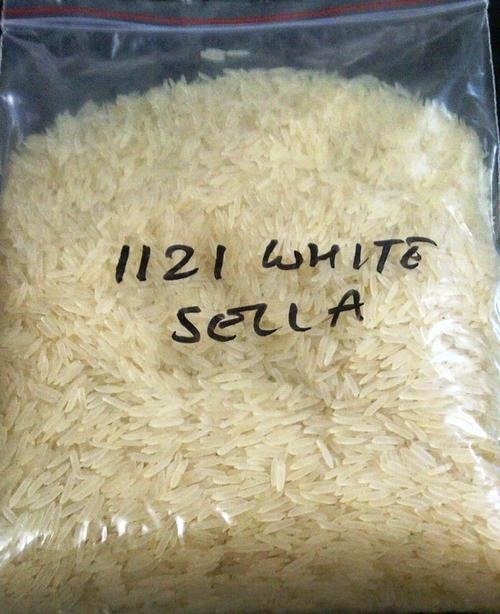
We’d rather lose a sale to honesty than win one on a technicality a buyer discovers later. Basmati is a geographically protected variety tied to specific regions of the Indian subcontinent, and Thailand’s climate and soil simply don’t produce it. What a legitimate Basmati rice exporter Thailand can offer instead is disciplined sourcing: buying aged, verified-origin Basmati paddy and milled rice through long-standing trade partners, then running it through our own quality control in our Chiang Rai and Bangkok facilities before it’s bagged for export.
That distinction matters because some traders do try to pass off blended or mislabeled rice as genuine Basmati, banking on the fact that most importers can’t tell the difference from a photo. We test every incoming lot for grain length, aging, and admixture before we’ll agree to export it under our name, and we tell buyers exactly where the rice originated rather than implying it was grown locally.
What You’re Actually Getting: Specifications
A serious Basmati rice exporter Thailand buyers can rely on should hand you a real spec sheet, not marketing language. Here’s what we run on our Basmati line:
- Variety: Basmati, aged, extra-long grain
- Moisture: 13% max
- Broken grains: 5% max
- Admixture: 0.5% max
- Grain length: 7.8mm and above, extra-long, elongates further on cooking
- Aging: minimum 12 months
- Milling: double-polished, sortex-cleaned
- Packing: 5kg, 25kg, 50kg poly-lined bags, or 1,000kg jumbo bags
- Loading: FCL or LCL, palletized on request
Aging is the detail newer buyers underestimate most. Fresh-crop Basmati doesn’t behave the same way in a pot as rice that’s been aged 12 months or more, and any Basmati rice exporter Thailand quotes you should tell you the aging period upfront rather than leaving it off the spec sheet entirely.
Why Aging Changes How the Rice Cooks
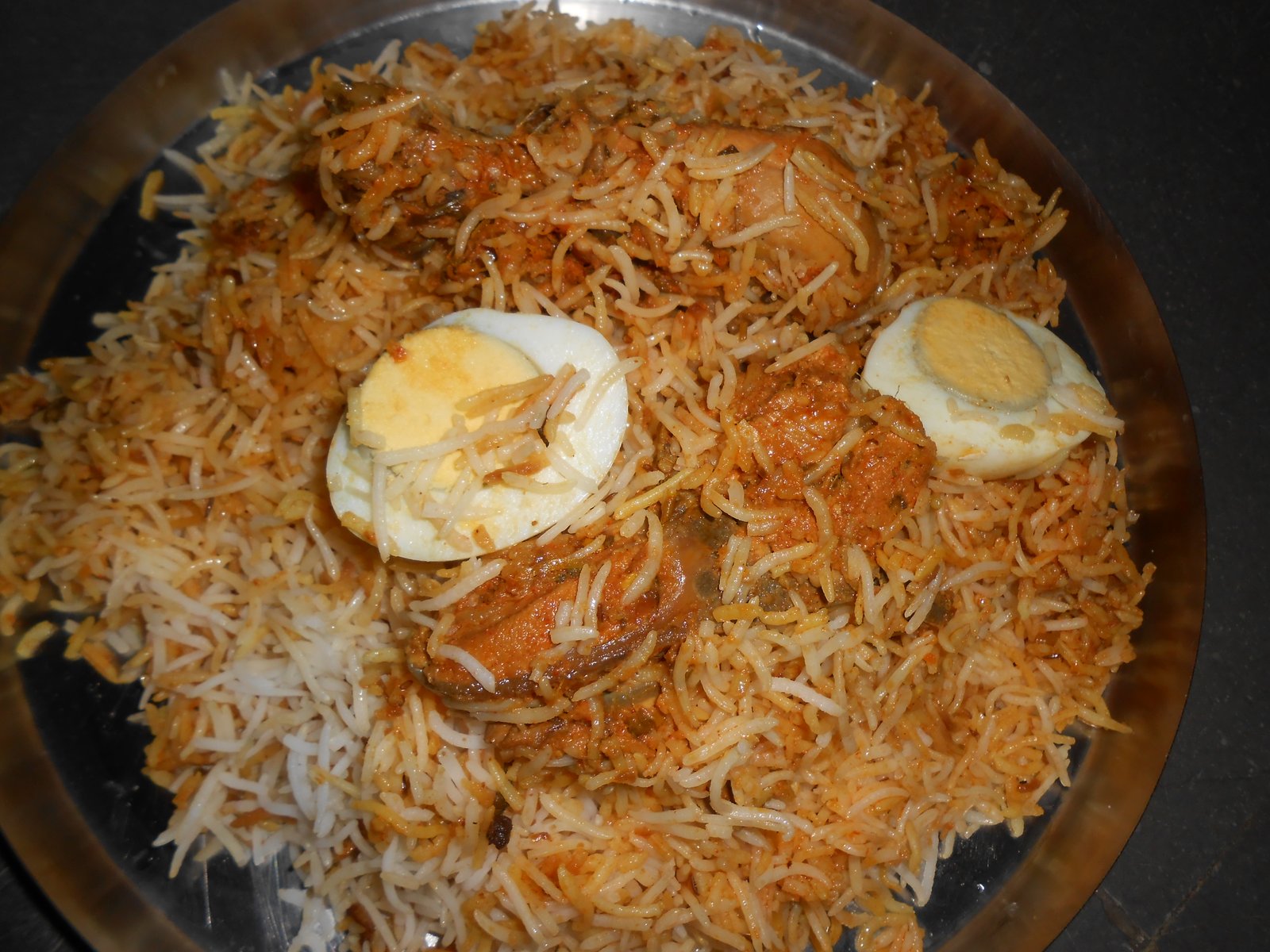
Aged Basmati absorbs more water than fresh-crop rice, and it cooks up drier, with grains that stay separate rather than clumping together, which is exactly what restaurant kitchens want for pilafs and biryanis. A quick rinse followed by a 20 to 30 minute soak before cooking improves how much the grain elongates in the pot. Because this is a traded, aged product rather than something freshly milled each season, cooking behavior stays consistent across crop years, which matters a great deal to foodservice buyers running a standardized menu across multiple locations.
If your customers or kitchen staff are used to fresh jasmine rice and this is their first time handling aged Basmati, it’s worth passing along the soaking recommendation directly, since skipping it is the most common reason a kitchen ends up unhappy with rice that was actually graded correctly.
Where the Grain Actually Comes From
We source verified-origin Basmati paddy and milled rice through long-standing trade partners on the subcontinent, then bring it into our own facilities for grading, cleaning, and export packing. This two-step arrangement is fairly standard for a Basmati rice exporter Thailand operates through, since almost no exporter here is milling raw paddy themselves. What separates a good exporter from a risky one is what happens after the rice arrives: real moisture testing, real broken-grain checks, real admixture verification, rather than simply repackaging whatever showed up and shipping it forward under a new label.
You can read more about the variety’s protected geographical status and its native growing regions on the Wikipedia entry on Basmati, which covers the history and the legal protections tied to the name in more depth than fits into a buyer’s guide.
Grading Standards We Actually Apply
We grade on broken-grain percentage, admixture, which includes both foreign matter and other rice types mixed in, moisture content, and grain length uniformity. Every lot gets checked before bagging, and buyers can request a certificate of analysis with each shipment rather than taking our word for it. If your business needs a specific broken-grain tolerance for a retail private-label spec tighter than our standard export grade, tell us before booking and we’ll source to that tighter spec rather than defaulting to what’s easiest for us.
Packaging and Container Loading
Standard packing runs 5kg, 25kg, and 50kg poly-lined bags, which help protect against moisture during transit, plus 1,000kg jumbo bags for buyers with their own repackaging lines at destination. Palletizing is available on request, which matters if your receiving port or warehouse relies on forklift unloading rather than hand-stacking. A 20-foot container typically holds around 24 to 26 metric tons of Basmati in 50kg bags, slightly less than our standard white rice due to the poly-lined bag weight and typical palletization, and we’ll confirm exact loading figures based on your specific packaging choice.
Quality Control Before Anything Gets Bagged
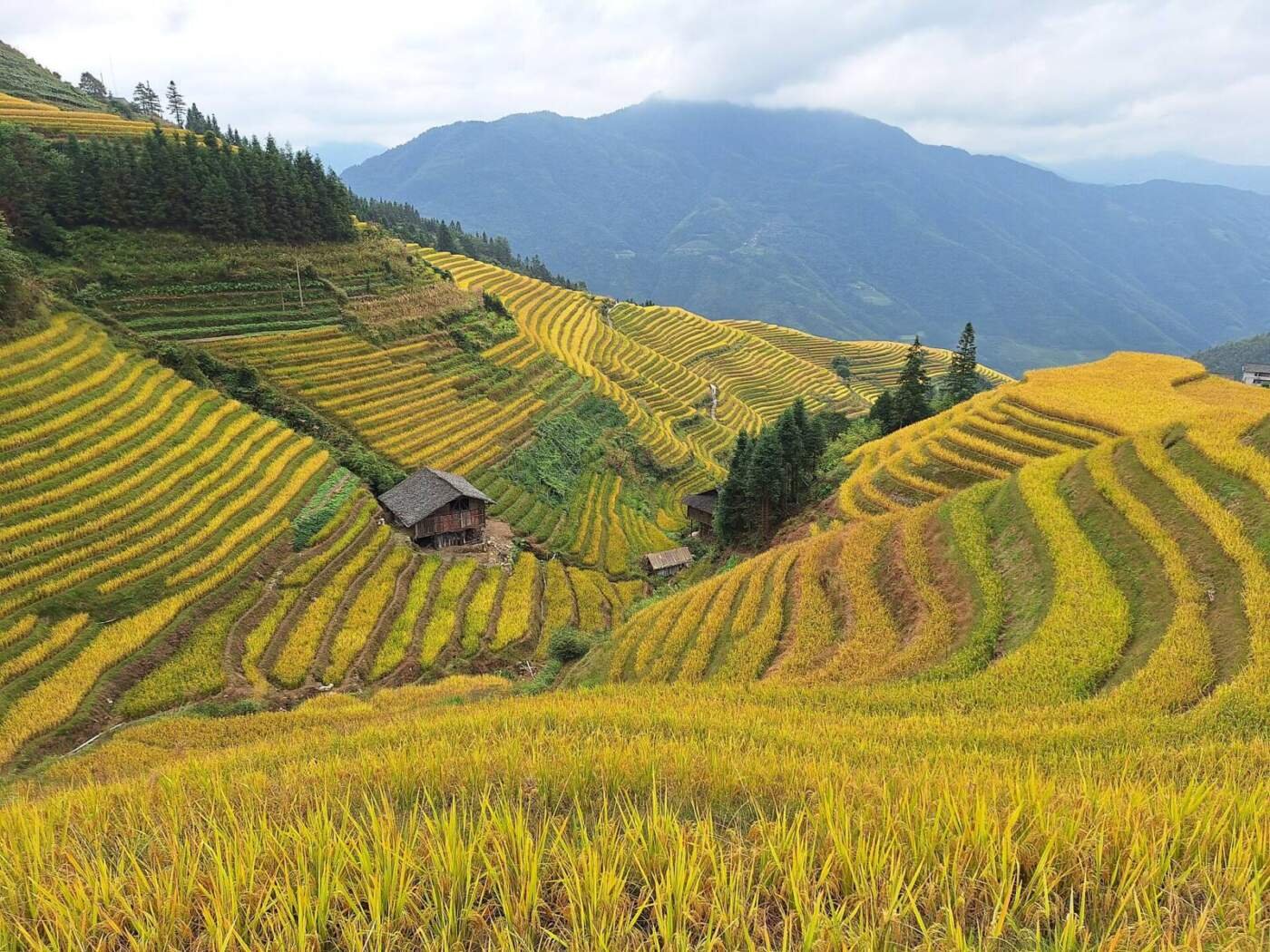
Every incoming lot is tested against our spec sheet before we agree to source it, and a batch running outside our moisture or admixture limits doesn’t move forward. Once we’ve confirmed a lot meets spec, it goes through cleaning, sortex sorting, and double-polishing in our own facilities, and we sample again before bagging for export. Documentation, including the certificate of analysis, travels with every shipment so your team has a clear reference point on arrival rather than a generic assurance.
Any Basmati rice exporter Thailand quotes you a price without offering a sample or a certificate of analysis is asking you to trust a claim you have no way to verify. We’d rather you test us before committing to volume.
Shipping, Ports, and Lead Times
Most of our export volume moves through Bangkok Port and Laem Chabang Port, both with regular sailing schedules to the Middle East, Europe, North America, and parts of Africa and Asia. From confirmed order and deposit, we typically need 15 to 25 days to prepare and load a container, depending on packaging choice and whether we’re pulling from current stock or sourcing a fresh lot from our trade partners. We’ll tell you honestly if a specific aging period or packaging request is going to push that timeline longer, rather than promising a date we can’t hit.
Pricing, MOQ, and Payment Terms
Standard container loads (FCL) are typical for Basmati orders, though LCL and smaller trial orders can be arranged for buyers who want to test the relationship before committing to a full container. Pricing reflects global Basmati markets, aging period, and grain length specification, so as with any commodity, we quote per shipment rather than publishing a number that goes stale within weeks. Payment is typically by letter of credit for larger first-time orders or telegraphic transfer with a deposit and balance before shipment for buyers we’ve worked with over multiple orders.
Who Buys Basmati From Us
Our Basmati buyers are typically importers and distributors in the Middle East, Europe, and North America who already source Thai jasmine or white rice from us and want to consolidate a Basmati order into the same shipment or supplier relationship rather than managing separate contracts. Foodservice distributors and private-label repackers also buy from us specifically because they need consistent extra-long grain length lot after lot, backed by documentation that satisfies customs and retailer audits without extra back-and-forth.

Common Mistakes Buyers Make
The most common mistake is assuming “Basmati” on a label guarantees authenticity without checking grain length, aging, or admixture against an actual spec sheet. Basmati is a loosely enforced term in a lot of markets, and blended rice sold as Basmati is common enough that a sample test is worth the small delay it costs. The second mistake is skipping the aging conversation entirely, then being surprised when fresh-crop rice cooks differently than the aged Basmati a customer expected from a previous supplier. The third is choosing a Basmati rice exporter Thailand based purely on price without asking whether that price reflects a shorter aging period or higher broken-grain tolerance than what you actually need.
Storage and Shelf Life Recommendations
Properly milled Basmati at 13% moisture or below stores well for 18 to 24 months in cool, dry conditions, actually holding up slightly better than standard white rice due to the aging process it’s already been through before export. We recommend keeping bags off the warehouse floor on pallets, maintaining airflow between stacks, and avoiding direct sunlight or damp walls nearby. If you’re importing into a humid coastal market, ask about the poly-lined bag option specifically, since the extra moisture barrier is inexpensive insurance against a pallet degrading in storage before it sells through.
Order Process From Quote to Delivery
Once you confirm grain length, aging period, quantity, and destination port, we typically return a formal quote within one to two business days covering unit price, packaging, and an estimated freight figure. After you confirm the order and payment terms, we begin sourcing and testing against your specification, and we send progress updates rather than leaving you to wonder where things stand. Once production and quality checks are complete, we prepare the full export document set, including certificate of origin, phytosanitary certificate, packing list, commercial invoice, and bill of lading, and we send copies for your review before the vessel departs so anything that needs correcting happens before the ship sails.
Documentation We Provide
A standard export package includes commercial invoice, packing list, bill of lading, certificate of origin, and phytosanitary certificate. We also provide a certificate of analysis covering moisture, broken grain percentage, admixture, and grain length, and we can arrange third-party pre-shipment inspection if your buyer or your customs office requires an independent check. For buyers needing halal or other market-specific certifications, flag that at the quote stage since some certifications take extra lead time to arrange properly.
Regional Buying Patterns We See
Buyers in the Middle East tend to be the most demanding on grain length and cooking behavior, since Basmati is often served as the centerpiece of the dish rather than a side, and a shorter or less elongated grain gets noticed immediately by end customers. European buyers, particularly in the UK and parts of the EU, ask the most detailed questions about traceability and documentation, since retail private-label programs there often require full supply chain transparency before a product goes on shelf. North American buyers split fairly evenly between foodservice distributors chasing consistency across multiple restaurant locations and retail importers building out an ethnic or specialty grocery line.
A Basmati rice exporter Thailand serves across all three regions needs to be able to shift the conversation depending on who’s asking, whether that means leading with grain length data, full documentation packages, or straightforward pricing and consistency. We’ve built our process around that flexibility because Basmati buyers rarely fit one template, and treating every inquiry the same way tends to lose business to a competitor willing to adapt the conversation.
A Note on How Basmati Pricing Actually Moves
Basmati pricing tracks subcontinental harvest results, currency swings, and global demand out of major growing regions, on top of the freight costs to move it into and back out of Thailand. That’s an extra link in the supply chain compared to rice grown and milled entirely within Thailand, and it’s worth understanding as a buyer, since it means Basmati pricing can shift for reasons that have nothing to do with anything happening in Thailand itself.
We break down our pricing by component, sourcing cost, aging premium, grading and packing, inland transport, and freight, when a buyer asks, rather than handing over a single number with no explanation behind it. Comparing quotes this way, component by component, makes it much easier to tell whether a lower quote reflects genuine efficiency or a shorter aging period and looser grading tolerance hidden in the fine print.
Working With a Trading Partner, Not Just an Exporter
Buyers who treat a first Basmati order as a one-off transaction often end up rebuilding the sourcing relationship from scratch every time they need more, re-explaining specifications, re-negotiating terms, and re-establishing trust with a new contact. We’d rather build a relationship that runs the same way every time: a fixed point of contact, known packaging and aging preferences on file, and documentation that doesn’t need to be recreated from zero on each order. If you expect to order on a recurring basis, whether that’s quarterly or as part of a rolling annual contract, let us know early so we can plan sourcing capacity around a known schedule rather than treating each order as a surprise.
Freight, Customs, and What to Expect at Your Port
Ocean freight transit time varies significantly depending on your destination, from under two weeks for regional routes to considerably longer for a full transpacific or transatlantic haul, and we give buyers our honest transit estimate upfront rather than a number that looks better on a first call than it does in practice. Customs treatment of Basmati varies by market too, since some countries apply different scrutiny to rice labeled by variety name versus generic long-grain rice, given ongoing efforts globally to protect geographically specific product names. We flag anything unusual about your destination market’s documentation requirements as early as possible, since sorting that out before the container ships is always easier than untangling it after the vessel has already sailed.
Common Questions About Blended or Mislabeled Basmati
It’s worth addressing directly: yes, blended rice sold under the Basmati name is a real problem in parts of the global market, usually mixing a smaller percentage of genuine Basmati with a cheaper long-grain variety and relying on buyers not checking grain length or cooking behavior closely.
This is exactly why we test admixture on every incoming lot rather than accepting a supplier’s claim at face value, and it’s why we’d encourage any buyer, working with us or anyone else, to request a certificate of analysis and, ideally, an independent lab test on a sample before committing to a full container. The cost of that verification is small next to the cost of a rejected shipment or an unhappy retail customer who can tell the difference the moment they cook it.
Frequently Asked Questions
Is this rice actually grown in Thailand? No, and any exporter claiming otherwise isn’t being straight with you. Basmati is a subcontinental variety. We source verified-origin paddy and rice through trade partners, then handle grading, cleaning, and export packing in Thailand.
Can you supply a specific aging period? Yes. Tell us your target, 12, 18, or 24 months, when you request a quote and we’ll confirm what’s available in current lots.
What packaging and private-label options are available? Plain export bags, your printed retail packaging, or bulk jumbo bags for repacking at destination, depending on your order size and target market.
What is your minimum order quantity? Standard container loads are typical, but LCL and smaller trial orders can be arranged for buyers who want to test the relationship first.
Can I combine a Basmati order with jasmine or white rice in the same container? Yes, and many of our buyers do exactly this to consolidate freight costs and manage one supplier relationship instead of several.
How do you verify the rice is genuinely Basmati and not a blend? We test grain length, aging, and admixture on every incoming lot before agreeing to export it, and we can provide a certificate of analysis with your shipment.
What to Ask Before You Choose a Supplier
Before committing a deposit to any Basmati rice exporter Thailand offers, ask a short list of direct questions: What’s the actual origin of this rice, and can you document it? What aging period does this specific lot carry? What’s your broken-grain and admixture tolerance, in numbers, not general assurances? Can I get a sample before committing to a full container? We’d answer all four without hesitation, and any exporter who hesitates on the first question in particular is worth a second look before you send money.
What Happens If a Shipment Doesn’t Match the Sample
It’s a fair question to ask any Basmati rice exporter Thailand before you place a first order, and we’d rather answer it directly than dodge it. If a shipment ever came in outside the agreed spec, our first step is comparing it against the retained sample and the pre-shipment lab results, since that tells us quickly whether the issue happened on our end or somewhere in transit.
We’d work through it with documentation and photos rather than going quiet, because the handful of shipments that go wrong across this industry are what actually define a supplier’s reputation, not the majority that arrive exactly as promised.
Ready to Choose a Basmati Rice Exporter Thailand Team You Can Trust
If you’re comparing suppliers and want a Basmati rice exporter Thailand team that tells you exactly where the rice comes from, backs it with a real certificate of analysis, and can fold your order into a shipment alongside jasmine or white rice, reach out with your target grain length, aging preference, and destination port. For buyers weighing Basmati against our other varieties, our guide on types of Thai rice for export breaks down the full lineup, and our Thai rice supplier and exporter guide covers how to verify a company genuinely handles both sourcing and shipping rather than just one.
Related Guides
If you’re sourcing more than one product from us, these buyer’s guides cover the rest of our specialty range: Black Rice Supplier, Coconut Sugar Supplier, Muscovado Sugar Wholesale, Deodorized Sunflower Oil Supplier.