Most buyers who come looking for a coconut sugar supplier aren’t shopping on price the way a bulk white sugar buyer would. They’re building a natural, lower-glycemic ingredient story into a product, and they need a supplier who can back that story with real documentation rather than a nice label. We’re DThai Company Limited, and coconut sugar is one of the more specialized lines in our sugar range, sourced from producers still using traditional tapping and boiling methods. Here’s what this product actually is, the specs behind it, and what to look for in any coconut sugar supplier before you commit to a shipment.
What Coconut Sugar Actually Is
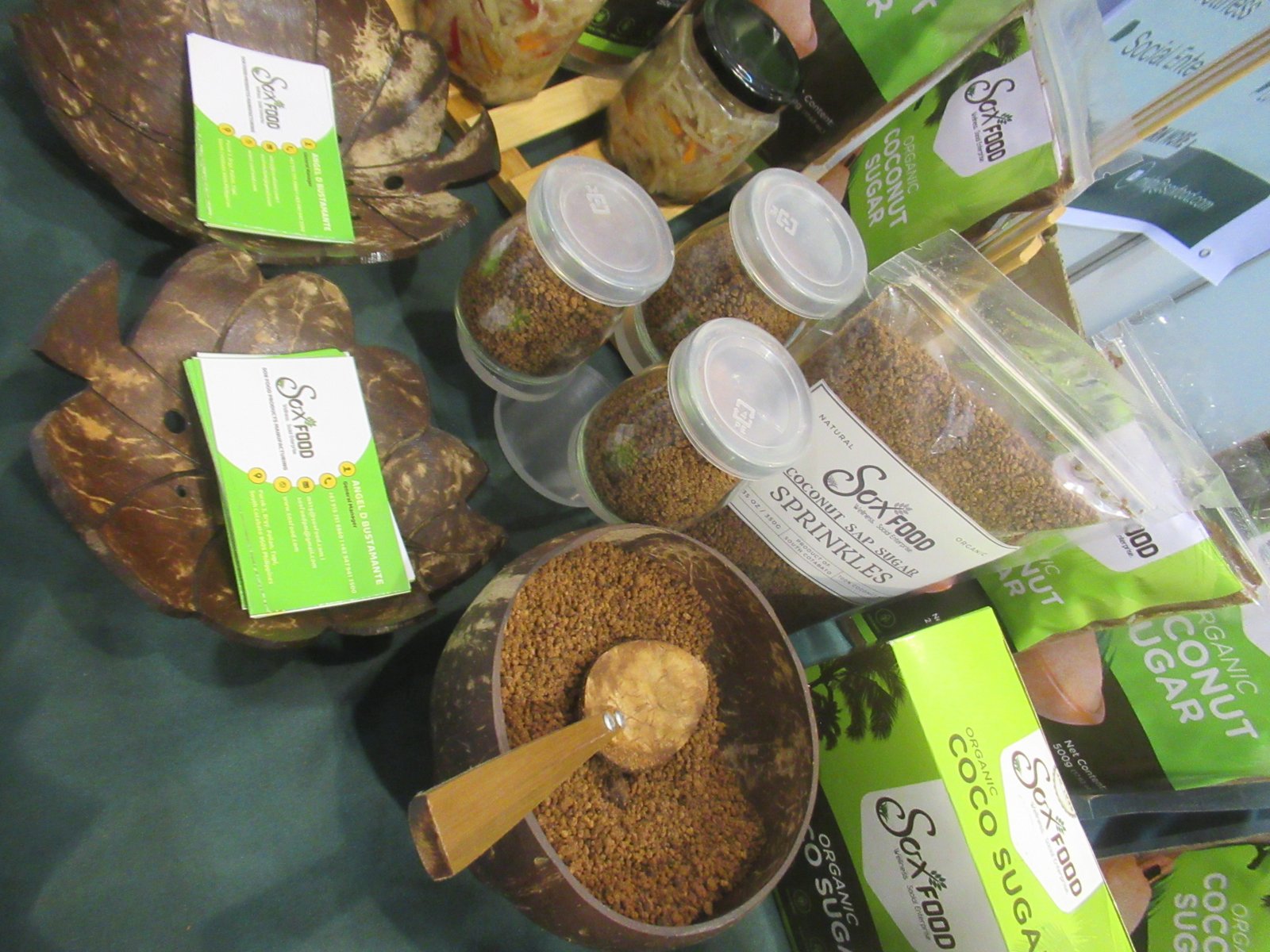
Coconut sugar surprises a lot of first-time buyers because it doesn’t come from the coconut fruit at all. It’s made from the sap of coconut palm flower buds, collected, then boiled down until it crystallizes into granules that look a lot like light brown sugar but come from a completely different source plant than cane. It carries a mild caramel flavor with a subtle earthiness distinct from cane-derived brown sugar, and it has a lower glycemic index than refined white sugar, which is the single biggest reason health-focused brands seek out a coconut sugar supplier specifically instead of defaulting to a standard cane product.
Any coconut sugar supplier worth working with should be able to explain this distinction clearly, since a surprising number of buyers we talk to assumed it was somehow processed from whole coconuts before we walked them through how it’s actually made.
Specifications
- Type: crystallized coconut palm sap
- Color: light to medium brown
- Moisture: 2-3%
- Glycemic index: approximately 35, lower than refined white sugar
- Texture: granular, slightly coarser than white sugar
- Packaging: 250g, 500g, 1kg retail pouches, 25kg bulk bags, or 1,000kg jumbo bags
- Shelf life: 18 months in sealed, dry storage
- Origin: sourced from coconut-growing regions in Southeast Asia
The glycemic index figure is the number most buyers ask about first, and it’s worth noting that any coconut sugar supplier quoting a specific figure should be citing published research on the product category rather than a lot-specific lab test, since GI testing isn’t something typically run per shipment the way moisture or granulation checks are.
A History Longer Than the “Natural Sweetener” Trend
Coconut sap sugar has been produced and used in Southeast Asian cooking for generations, long before it became a recognized category in Western health food stores. Traditional producers have tapped coconut palm flowers for their sap for centuries, using it fresh as a drink and boiled down into sugar for cooking, well before anyone was talking about glycemic index or natural sweeteners as a marketing category. If you want more background on how palm sap is harvested and processed across the broader category coconut sugar belongs to, the Wikipedia entry on coconut sugar covers it well.
Why Buyers Choose Coconut Sugar Over Cane Sugar
The lower glycemic index is the headline reason, since coconut sugar releases into the bloodstream more slowly than refined white sugar, which appeals to brands marketing toward blood sugar-conscious consumers. It also retains small amounts of minerals lost during cane sugar refining, though we’re always careful to tell buyers it shouldn’t be marketed as a health food in large quantities. It’s still sugar. What a coconut sugar supplier is really selling here is a positioning story, “natural,” “unrefined,” “minimally processed”, that cane sugar simply can’t claim regardless of how it’s refined or packaged.

How It’s Actually Made
Producers make a small cut into a coconut palm flower bud, letting sap drip out and collect in a container over several hours. That raw sap is boiled down in open pans until the water evaporates and the remaining liquid crystallizes into granules as it cools.
Unlike cane sugar, there’s no separate refining stage stripping out color or minerals, which is exactly why coconut sugar keeps more of its natural character and lower glycemic index compared to fully refined white sugar. The whole process stays closer to its traditional roots than most large-scale cane sugar operations, and a coconut sugar supplier working with producers who’ve cut corners on this traditional method usually ends up with a less consistent, less distinctive product.
Uses and Applications
Coconut sugar shows up most often in health-oriented baked goods, granola bars, natural sweetener blends, and packaged foods marketed around lower glycemic impact or reduced processing. It substitutes reasonably well for brown sugar in most baking applications at a similar ratio, bringing a comparable caramel note along with its own subtle earthiness. Beverage brands use it in some natural soda and kombucha products where a less processed sweetener supports the overall product story, and natural and health food retailers stock it because demand for lower-glycemic sweeteners has grown steadily with no sign of slowing.
Quality Control Before Every Shipment
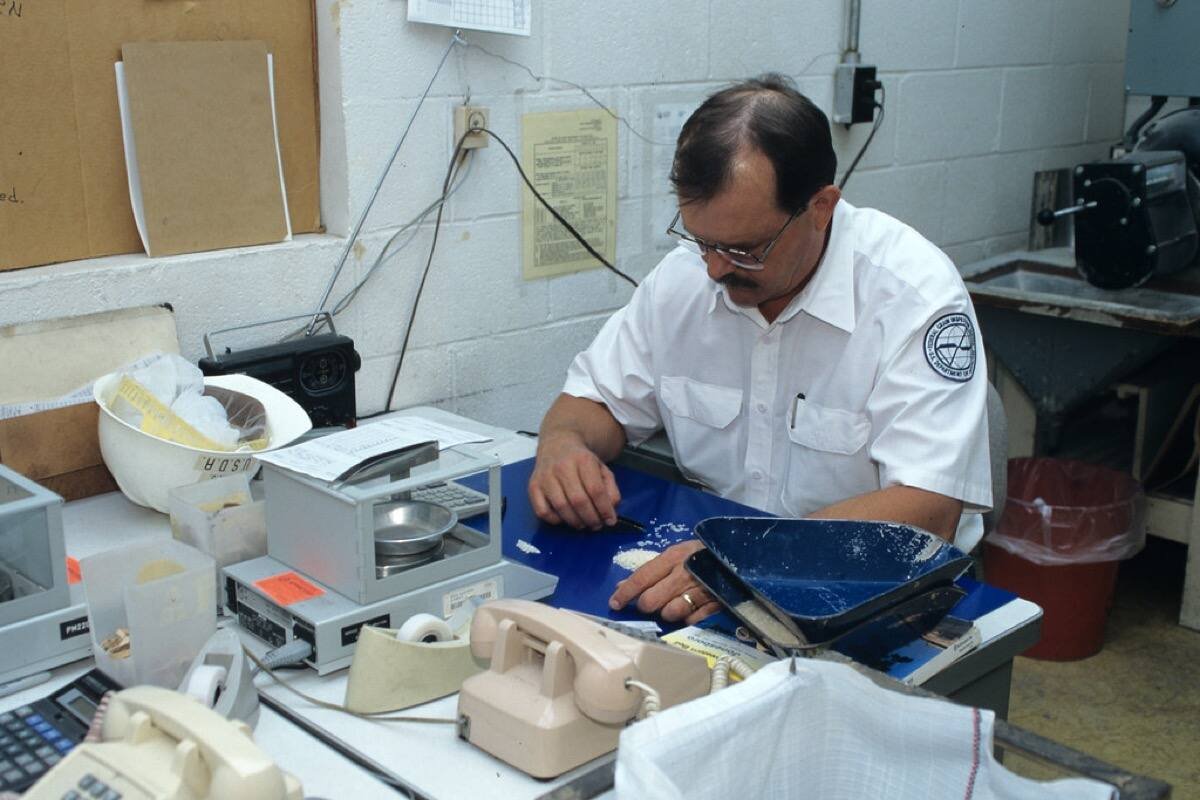
We test moisture content and granulation consistency on every batch, since coconut sugar produced through traditional boiling can vary more naturally than industrially processed cane sugar. A batch running outside our moisture spec doesn’t ship, since excess moisture leads to clumping or spoilage risk over a long ocean voyage. Documentation travels with every shipment so your quality and, where relevant, your labeling and marketing team have what they need on arrival rather than a generic assurance from a coconut sugar supplier who never actually tested the batch themselves.
Storage and Shelf Life
Coconut sugar behaves similarly to brown sugar in storage, since both carry natural moisture that keeps granules from turning rock hard. Keeping it sealed in a cool, dry environment prevents excess moisture absorption that causes clumping, while also avoiding the total moisture loss that would harden it into a solid block. Under proper storage, our coconut sugar holds its quality for 18 months from production, giving retailers and manufacturers a reasonable shelf window to move product without pressure to sell through immediately.
Certification and Sourcing Documentation
Buyers in the natural and organic food space frequently ask about certifications, and a good coconut sugar supplier should be able to discuss organic or fair trade sourcing options depending on your order volume and destination market requirements. Because this product often ends up in front of health-conscious consumers reading ingredient labels closely, accurate sourcing documentation matters more here than with some of our other commodity sugar lines, and we’re set up to provide that level of detail for buyers who need it for their own labeling or brand story.
Comparing Coconut Sugar to Cane-Based Alternatives
If your business is deciding between coconut sugar and a cane-based alternative, it comes down to what your product positioning actually needs. Coconut sugar supports a natural, lower-glycemic ingredient story that cane sugar can’t match regardless of refinement level. Our brown sugar line offers a similar flavor profile at a lower price point for buyers who don’t need the specific coconut-derived positioning. A number of our buyers carry both, using coconut sugar for a premium or natural product line and cane sugar for standard offerings, sourcing both from the same coconut sugar supplier to simplify their own supply chain.
Common Mistakes Buyers Make
The most common mistake is assuming all coconut sugar on the market is produced identically, when processing methods and quality vary significantly between producers, directly affecting flavor consistency and shelf stability. A second frequent issue is underestimating documentation needs for a product frequently sold with natural or minimally processed claims, where buyers later discover they lack the sourcing paperwork their own retail partners require before listing the product. A third mistake is treating coconut sugar’s moisture sensitivity the same as more stable refined sugars when planning packaging, which can lead to clumping issues that were entirely avoidable with the right bag liner or storage conditions.
Pricing and What Drives It
Coconut sugar typically costs meaningfully more than cane sugar, reflecting both the more labor-intensive traditional production process and strong global demand from the natural and health food sector. Any coconut sugar supplier should be upfront about what’s driving a change in quoted price, whether that’s raw sap availability, production costs, or freight rates, rather than leaving buyers to guess. Buyers ordering larger volumes or committing to repeat shipments over several months often secure more favorable terms, so it’s worth discussing your expected order pattern even on a smaller first order.

Order Process From Quote to Delivery
Once you confirm target volume, packaging preference, and destination port, we typically return a formal quote within one to two business days covering unit price, packaging, and an estimated freight figure. After you confirm the order and payment terms, sourcing and testing begin, and we send progress updates so you’re not left wondering where things stand. Standard export documentation, along with any sourcing or traditional-method documentation your brand needs for labeling, ships with the container, and we stay reachable through transit in case your customs broker or receiving team needs anything clarified.
Freight, Customs, and Realistic Lead Times
Ocean freight typically takes two to six weeks depending on destination, and we build that into every quote so buyers can plan realistic delivery windows. Customs and labeling requirements vary meaningfully by market for this specific product, since destination countries differ on how they treat natural sweetener claims and organic or fair trade certification documentation, so we confirm your market’s specific requirements early rather than assuming one set of paperwork covers every destination.
Private Label and Retail Packaging
Because coconut sugar frequently ends up as a branded retail product on a health food or natural grocery shelf, many buyers ask about private label packaging rather than plain export bags. We can coordinate custom packaging runs for sufficient order volumes, working with buyers on bag design, labeling, and format to match an existing product line. If you’re building a natural sweetener brand around this product, mention that at the quote stage so we can walk through options that fit your order size.
Why Southeast Asia for Coconut Sugar Sourcing
Coconut palms grow throughout Southeast Asia, and traditional tapping and processing knowledge in these regions goes back generations, which matters enormously for a product like this where the traditional method is inseparable from the value proposition. Producers here have refined tapping and boiling techniques over a long time without shifting toward industrial shortcuts that would undercut what makes coconut sugar distinct from cane sugar in the first place. Buyers who’ve sourced this category from multiple regions consistently tell us that finding a coconut sugar supplier who genuinely maintains traditional methods, rather than one cutting corners to boost yield, is what separates a reliable supply from an inconsistent one.
We work directly with producers rather than through multiple layers of trading intermediaries, which means when we tell a buyer how a specific batch was tapped and boiled, that information came from a source we’ve actually visited, not a claim copied from someone else’s brochure. This matters more with coconut sugar than with a lot of other commodities we handle, because the entire premium positioning rests on the traditional production story being true.
Quality Control, Step by Step
Before committing to a shipment, we test a sample against our moisture and granulation specifications, since traditional boiling methods introduce more natural batch-to-batch variation than industrial cane sugar refining does. If a sample runs outside spec, the batch doesn’t move forward until the issue is corrected at the source, not after it’s already been packed for export. Once actual production for a confirmed order is complete, we sample again before packaging, and those results travel with the shipment. This step-by-step approach matters because coconut sugar’s higher price point compared to cane sugar means buyers rightly expect consistent quality every time, and any coconut sugar supplier skipping a testing stage to save time is passing that risk directly onto you.
Working With a Trading Partner, Not Just a Supplier
Buyers who treat a first coconut sugar order as a one-off transaction often find themselves rebuilding the sourcing relationship from scratch a few months later, re-explaining specifications and re-establishing trust with a new contact each time. We’d rather build a relationship that runs the same way every order: a fixed contact, known packaging preferences on file, and documentation that doesn’t need to be recreated from zero each time. If you expect to order coconut sugar on a recurring basis to support an ongoing product line, let us know early so we can plan sourcing capacity around a known schedule rather than treating each order as a fresh negotiation.
Documentation We Provide
Beyond the quality test results already mentioned, a standard export package includes a certificate of origin, a phytosanitary certificate where your destination market requires one, a packing list, a commercial invoice, and a bill of lading. Because this product often supports natural, organic, or minimally processed labeling claims, we can also provide additional sourcing documentation on request, and we recommend flagging that need as early as possible since it can take longer to arrange than standard shipping paperwork. A coconut sugar supplier who treats this documentation as an afterthought is setting your labeling and compliance team up for a scramble later.
Requesting a Sample Before a Full Order
For buyers who haven’t sourced from us before, we can usually arrange a small sample of coconut sugar ahead of a full commercial order, which matters particularly here given how much flavor and color can vary between producers using different traditional methods. Testing a sample against your existing product formulation before committing to a full container gives you a real basis for comparison rather than relying on a spec sheet alone. Sample requests add a small amount of lead time ahead of a full order, so plan for that if testing matters to your buying process, and any coconut sugar supplier discouraging you from testing first is a supplier worth questioning.
Regional Buying Patterns Worth Knowing
Health food and natural grocery buyers in North America and Europe tend to ask the most detailed sourcing and certification questions before committing to a first order, since retail partners in those markets increasingly demand documented supply chain transparency for anything marketed as natural or minimally processed. Buyers in the Middle East and parts of Asia more often prioritize consistent flavor and price stability over documentation depth, treating coconut sugar as a specialty ingredient rather than a certified organic product line. A coconut sugar supplier serving multiple regions needs to be ready to lead with whichever of these matters most to the buyer asking, rather than pushing the same pitch regardless of audience.
Frequently Asked Questions
Is coconut sugar made from coconuts? No, it’s made from the sap of coconut palm flower buds, not the coconut fruit itself, despite what the name suggests.
Is it actually healthier than white sugar? It has a lower glycemic index and retains trace minerals lost in refining, but it’s still sugar and should be used the same way as any other sweetener in terms of overall intake.
What does it taste like compared to brown sugar? A similar caramel note to brown sugar, with a subtle earthiness distinct from cane-derived sugar.
Can it be used as a 1:1 substitute for brown sugar in baking? Yes, it substitutes well in most baking applications at a similar ratio.
What packaging options does a coconut sugar supplier typically offer? We offer 250g, 500g, and 1kg retail pouches for direct consumer sale, plus 25kg and 1,000kg bulk options for manufacturers.
How long does it last in storage? Sealed and stored in a cool, dry environment, our coconut sugar holds its quality for 18 months from the production date.
What to Ask Before Choosing a Supplier
Before committing to a coconut sugar supplier, ask for a current certificate of analysis, ask specifically about moisture and granulation consistency across batches, and ask whether they can provide sourcing documentation for organic, fair trade, or traditional-method claims if your labeling depends on them. Request a sample and test it in your actual formulation rather than relying on a spec sheet description. A supplier confident in their product will encourage this step rather than discourage it.
A Note on Consistency Across Repeat Orders
One thing worth asking any coconut sugar supplier directly is how they handle consistency across multiple shipments over a year. Traditional production naturally varies more from batch to batch than industrial cane refining, and a supplier who blends multiple producer lots to smooth out that variation is doing you a favor, provided they’re transparent about it.
We blend within a tight specification range specifically so a bag your customer buys in March tastes and performs the same as one bought in October, rather than leaving that consistency to chance across a full year of harvests and producers. If consistency across repeat orders matters to your product line, ask this question directly rather than assuming every supplier handles it the same way.
Ready to Choose a Coconut Sugar Supplier That Matches Its Label
If you’re comparing options and want a coconut sugar supplier who tests every batch, documents sourcing honestly, and delivers product that matches exactly what was quoted, reach out with your target volume, packaging preference, and destination port, and we’ll put together a quote within a couple of business days. If your business also sources other specialty sweeteners, our guide on Thai sugar supplier options covers our full sugar range side by side, and our ICUMSA sugar grades buyer’s guide is worth a read if you’re also sourcing refined white sugar alongside this line.
Related Guides
If you’re sourcing more than one product from us, these buyer’s guides cover the rest of our specialty range: Black Rice Supplier, Basmati Rice Exporter Thailand, Muscovado Sugar Wholesale, Deodorized Sunflower Oil Supplier.