
If you’ve been searching for a black rice supplier and mostly finding trading companies that forward your inquiry to a mill they’ve never actually visited, you’re not imagining the problem. Black rice, also called Forbidden Rice, is a small, seasonal, easy-to-fake product, and a lot of the “suppliers” online are really just brokers hoping the sample photo matches whatever shows up in the container.
We’re DThai Company Limited, based in Chiang Rai, and we grow and mill our own black rice on the same land as our jasmine and white rice. This guide covers what genuine black rice actually is, the specs that matter, how we pack and ship it, and the questions worth asking any black rice supplier before you send a deposit.
Why Sourcing From a Real Black Rice Supplier Matters More Than Usual
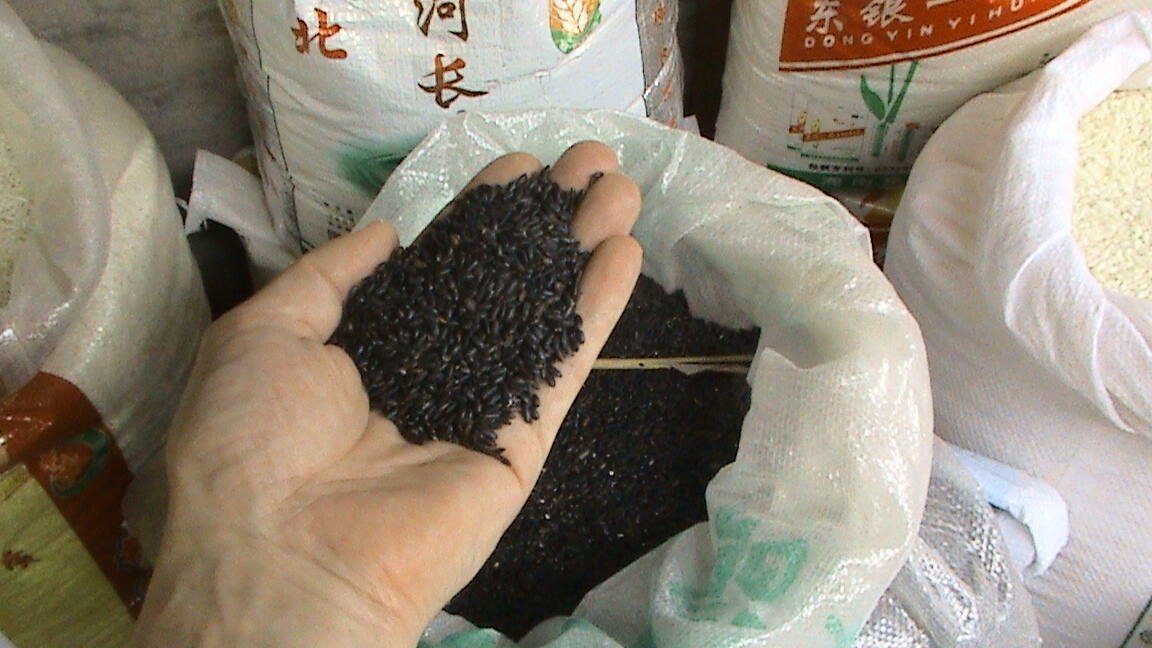
With long-grain white rice, if a supplier substitutes one mill’s stock for another, the buyer might not even notice, since a lot of the grading is about broken percentage and moisture rather than a dramatic visual difference. Black rice doesn’t work that way. The entire value of the product is the deep purple-black bran layer, and that’s exactly the part that gets faked.
Cheaper suppliers occasionally dye white or brown rice to imitate the color, and it can look convincing in a bag under bad lighting. It falls apart the moment you cook it, because genuine black rice turns the cooking water a deep purple from the anthocyanin pigment in the bran, and dyed rice usually doesn’t behave the same way.
That’s part of why we tell every new buyer to test a sample before committing to volume. A trustworthy black rice supplier should welcome that request, not discourage it. We’d rather send a free sample and lose a week than ship a container and lose a customer over something we could have caught earlier.
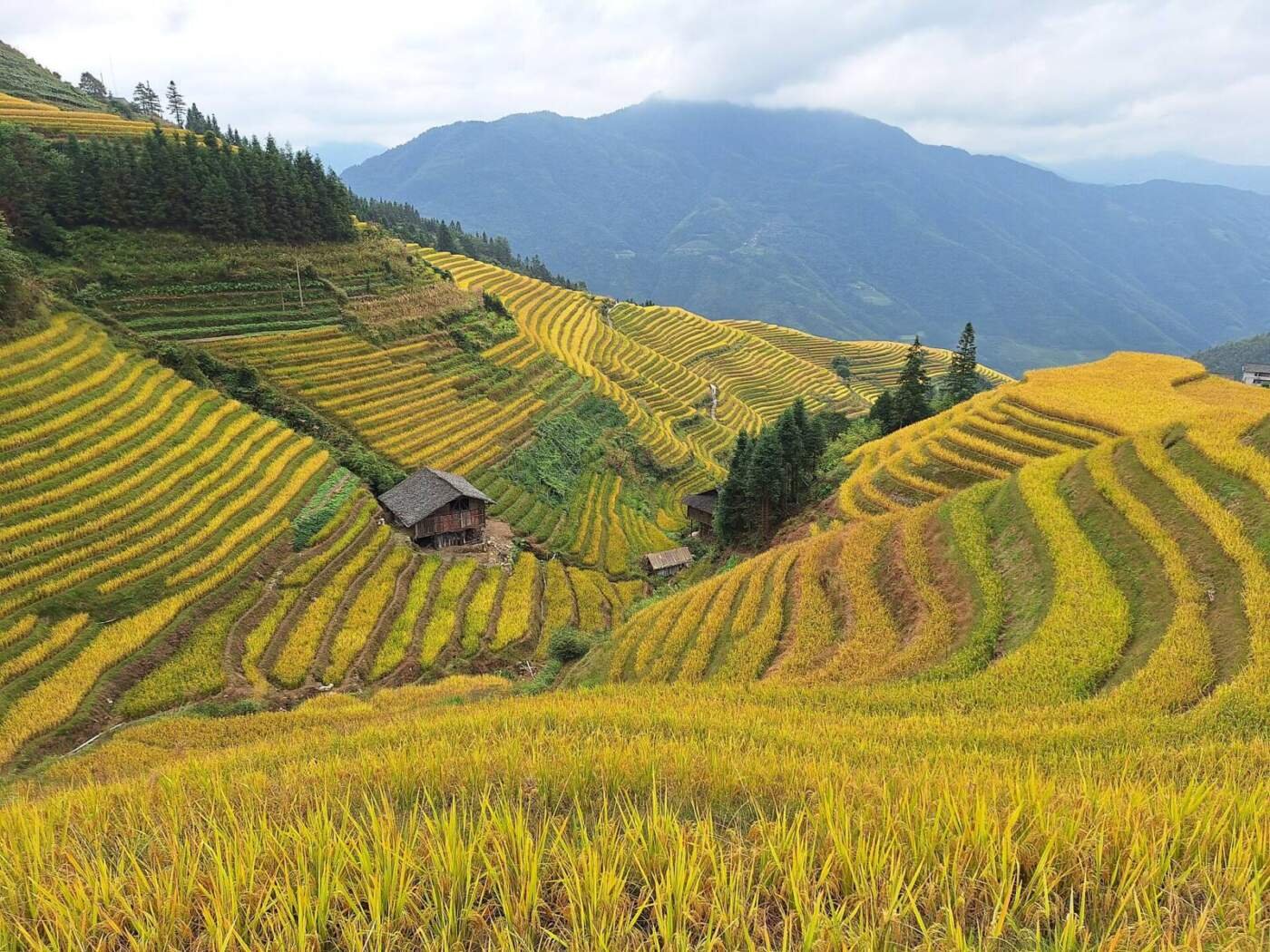
We grow black rice on smaller plots than our commodity rice lines, in the same Chiang Rai growing region, because the crop yields less per rai and needs more careful handling at harvest. That smaller scale is also why supply moves in and out of availability more than white or jasmine rice, and it’s a detail worth knowing upfront rather than discovering when your order is already placed.
Specifications You Should Ask Every Black Rice Supplier For
Any black rice supplier quoting you a grade should be able to produce a spec sheet with numbers, not adjectives. Here’s what we run on our own black rice:
- Type: whole grain, unpolished black (forbidden) rice
- Moisture: 13-14% max
- Broken grains: 5% max
- Admixture: 0.2% max
- Color: deep purple-black bran, intact and unpolished
- Shelf life: 6-9 months in cool, dry storage
- Packing: 1kg, 5kg, 25kg bags, or 1,000kg jumbo bags, private label available
- Loading: FCL or LCL, though LCL is more common on this product given typical order sizes
Admixture matters more with black rice than with almost any other grade we sell, because contamination with white or brown paddy is obvious the moment it’s cooked. That’s actually a useful check in your favor as a buyer: if the cooking water isn’t turning a real deep purple, something is off with the batch, and it’s worth raising with your black rice supplier immediately rather than assuming it’s normal variation.
A Quick History, Because It Explains the Price
Forbidden rice earned its name from a documented, if partly romanticized, history in imperial China, where the deep purple-black grain was reportedly reserved for the emperor’s table and off-limits to ordinary people. Whether every detail of that story survived the centuries intact or picked up some embellishment along the way, the reputation stuck, and it’s a big part of why black rice still occupies a premium, specialty shelf position rather than sitting next to standard white rice. Modern demand has far more to do with the anthocyanin content than any imperial legend, but the story doesn’t hurt when a retailer is trying to explain the price difference to a customer standing at the shelf.
Anthocyanins are the same antioxidant class found in blueberries, blackberries, and purple cabbage, and they’re what give the bran its near-black shade and turn cooking water purple. Because the rice isn’t polished, that pigmented bran layer stays intact all the way to your customer’s kitchen. If you want a deeper look at where the variety is grown and how the history developed, the Wikipedia entry on black rice covers both in more detail than we can fit into a buyer’s guide.
Nutritional Profile Worth Knowing Before You Market It
Per 100g cooked, black rice runs close to 160 calories, with roughly 3g of fiber and about 5g of protein, both somewhat higher than standard white rice. The headline feature buyers care about is the antioxidant content, though we’d caution against quoting a specific lab figure on packaging unless you’ve had the actual lot independently tested, since antioxidant levels shift with growing conditions and harvest timing. Any black rice supplier who hands you a fixed number without lot-specific testing is giving you an average, not a guarantee.
Growing and Milling: Why We Don’t Polish It
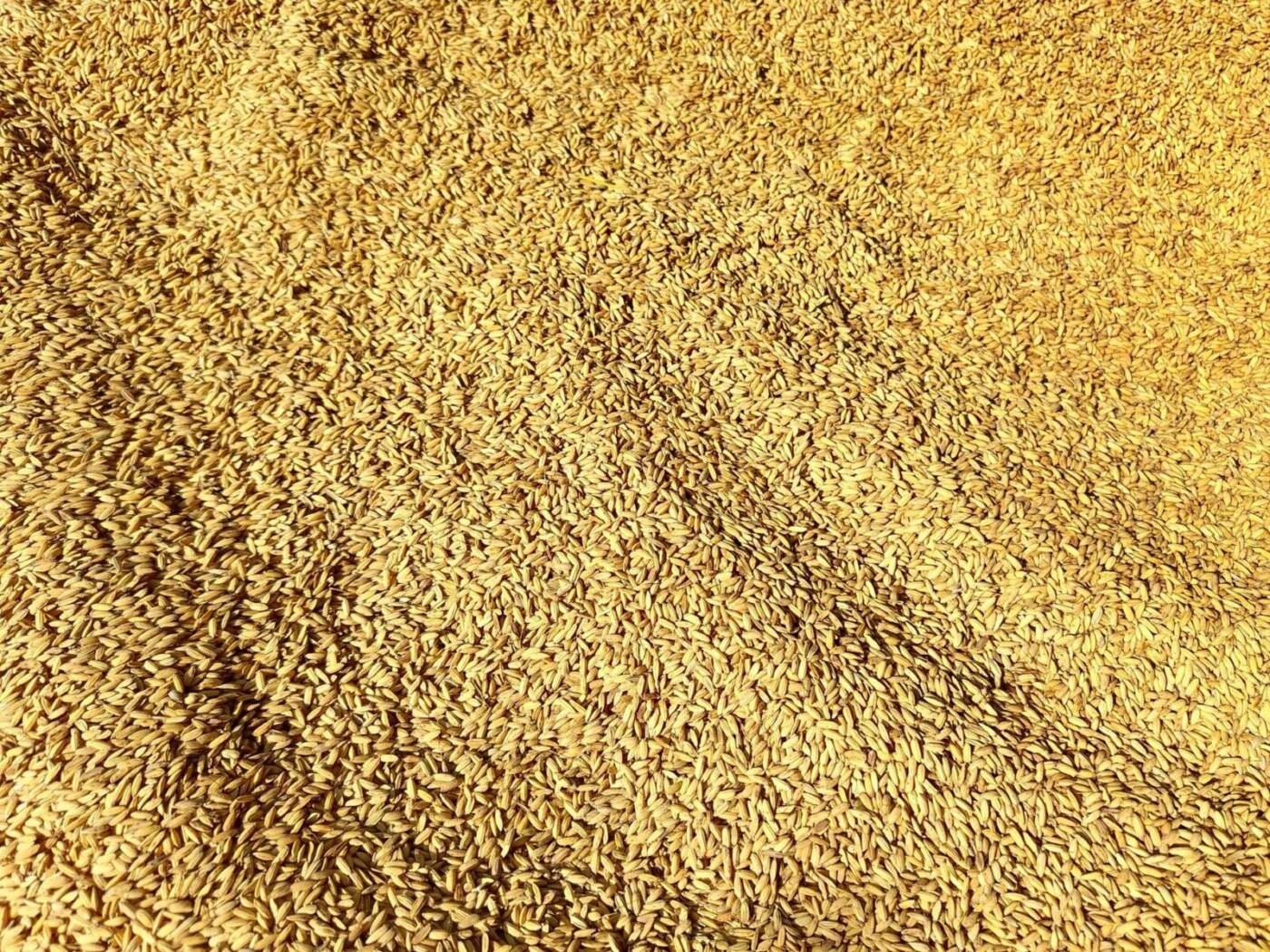
Black rice grows the same way as our other paddy rice, in the same region, just on smaller plots because the crop is lower-yield and more labor-intensive to harvest. After hulling, we run a light cleaning pass and stop there. No polishing, because polishing would strip away the exact bran layer that makes this product worth buying in the first place. That’s also why black rice takes longer to cook than white rice; the intact bran slows water absorption, and it’s worth flagging to any downstream customer who assumes it cooks on the same timeline as jasmine or white rice.
Working with a black rice supplier that mills and doesn’t just repackage matters here specifically, because the polishing decision has to be made correctly and deliberately, not skipped as a shortcut that happens to work in this one case.
Packaging Options for Every Order Size
Given the smaller order volumes typical on this product, we lean toward 1kg and 5kg retail bags more often than our bulk 1,000kg jumbo format, though jumbo bags are available for distributors buying at real scale. Private label printing is available the same as on our other rice lines, and because black rice tends to sit at a premium retail price point, a lot of buyers invest more into packaging design here than they would on a commodity bag of white rice. We’re set up to accommodate tighter print tolerances when a buyer’s branding calls for it.

Quality Control That Goes Beyond a Pretty Sample
Every batch we prepare gets tested for moisture, broken grain percentage, and admixture before it’s bagged. We log results against the mill lot number, so if a customer six weeks out has a question about a specific shipment, we can pull the actual data rather than a generic answer. Given how much smaller these harvest volumes are compared to our commodity rice, we track lots even more closely here, simply because there’s less room for error and less volume to absorb a mistake.
Standard export documentation ships with every order: certificate of origin, phytosanitary certificate, and fumigation certificate. We can also arrange third-party pre-shipment inspection if your buyer or your customs office requires independent verification, which is a reasonable ask for any black rice supplier to accommodate without pushback.
Where This Fits on a Specialty Shelf
Black rice sells almost entirely through specialty grocery, health food, and higher-end foodservice channels, since the price point and limited harvest volumes don’t suit mainstream commodity programs. It pairs naturally with other traditional or heritage-grain products, our own brown rice and glutinous rice lines included, if you’re building out a specialty section rather than a standard staple aisle. Most of the black rice we ship ends up either sold on its own under a specialty label, or blended at a smaller percentage into rice mixes to add color and marketing appeal without pricing the whole bag at a premium.
Shipping, Lead Times, and Realistic Planning
Because harvest volumes are genuinely smaller than our other rice lines, lead time on black rice varies more, typically 15 to 30 days from deposit to loading depending on whether we’re pulling from current stock or scheduling a fresh mill run. A dependable black rice supplier should tell you honestly if a variety is temporarily out of season rather than quoting a date they can’t hit. We’d rather lose a sale by being upfront about a delay than take your deposit and scramble later.
Most of our export volume moves through Bangkok Port and Laem Chabang Port, with regular sailing schedules to West Africa, the Middle East, South Asia, Europe, and North America. LCL shipping is more common on this specific product than on our bulk commodity lines, simply because order sizes tend to be smaller, and we can usually combine a black rice order with other products you’re already sourcing from us to fill a container more efficiently.
Pricing, Minimum Orders, and Payment
Because supply is limited and seasonal, we’re more flexible on minimum order quantity here than on our commodity rice, and we’d rather understand your actual need than force you into a volume that doesn’t match your market. Tell us your target quantity and we’ll tell you honestly what’s realistic given current stock. Payment is typically T/T with a deposit and balance before shipment, though we can discuss other structures for repeat buyers we’ve worked with over multiple orders. Pricing on black rice runs meaningfully higher than our commodity rice lines, reflecting the lower yield, more labor-intensive harvest, and the fact that we skip a processing step (polishing) that would otherwise speed things up but ruin the product.
Common Mistakes Buyers Make With This Product
The most common mistake is assuming black rice is available on the same short lead time as commodity white rice. Harvest volumes are smaller and more seasonal, and ordering last-minute for a launch date is a real risk. Flag your timeline early and any honest black rice supplier will tell you straight whether it’s achievable.
The second mistake is under-ordering out of price caution, then finding demand outpaces supply once the product is on shelf; black rice tends to move as a novelty purchase first and a repeat purchase second, so a slightly larger first order than feels comfortable often performs better than an overly cautious one. The third, and probably the most costly if missed, is skipping authenticity verification. Cheaper black rice on the open market is sometimes dyed white or brown rice rather than the genuine grain, and a sample test, cooked at home or in a lab, catches that before it becomes your problem instead of your supplier’s.
Who Actually Buys Black Rice From Us
Our buyers are specialty grocers, health food brands, and restaurants building a superfood or heritage-grain menu item, spread across Europe, North America, the Middle East, and parts of Asia. Some order a single 5kg or 25kg trial batch to test a new product line, others have standing seasonal orders once they know the timing works for their business. We treat both the same way, because plenty of our larger recurring accounts started as a single test order from someone who wasn’t sure black rice would sell in their market yet.
Storage and Handling Once It Reaches Your Warehouse
Black rice’s intact bran layer holds more natural oil than polished white rice, which means it’s a little more sensitive to heat and humidity over long storage periods. We recommend keeping bags off the warehouse floor on pallets, maintaining airflow between stacks, and avoiding direct sunlight or damp walls nearby. Under proper cool, dry storage, our stated 6 to 9 month shelf life holds up reliably, but a warehouse running hot or humid can shorten that window. If you’re importing into a coastal or tropical market, ask your black rice supplier about inner liner bags for extra moisture protection, since the cost is small compared to a pallet going stale before it sells through.
Once a bag is opened at retail or in a commercial kitchen, black rice keeps best in a sealed container away from light, similar to any whole grain with its bran layer intact. It’s worth passing this detail along to retail customers too, since a bag left open on a shelf for months will lose some of its aroma and cooking quality faster than a sealed jasmine or white rice bag would.
Order Process, Step by Step
Once you’ve reviewed a sample and confirmed grade, packaging, and quantity, the process with us runs in a predictable sequence. First, we issue a proforma invoice covering agreed terms. Second, you send a deposit, and we confirm whether your order pulls from current stock or requires scheduling around the next available mill run, since black rice doesn’t always sit ready in a warehouse the way our commodity lines do. Third, once production or pulling from stock is confirmed, we prepare the container alongside fumigation and inspection, and put together the full document set: bill of lading, packing list, commercial invoice, certificate of origin, and phytosanitary certificate.
Fourth, we send you copies of every document before the vessel departs, so anything that needs correcting gets fixed before the ship sails rather than after it’s already at sea. Fifth, once the balance clears, we release original documents for customs clearance at your port. If this is your first time working with any black rice supplier, we’ll walk through each step in plain language rather than assuming you already know the shorthand, since a lot of first-time specialty grain buyers are used to simpler domestic purchasing than international freight.
Regional Demand Patterns Worth Knowing
Buyers in Europe and North America tend to ask the most detailed questions about certification, lab verification, and traceability before committing to a first order, since black rice there sells almost entirely through specialty and health-focused retail channels where a mislabeled product carries real reputational risk. Buyers in the Middle East and parts of Asia often move faster on trial orders, treating a small first shipment as a low-risk way to gauge local demand before scaling. Neither approach is wrong, and a black rice supplier who’s shipped to both knows to adjust the conversation rather than pushing the same sales pitch on every inquiry.
If you’re a first-time buyer in any region, it helps to tell your supplier upfront what your local market expects around labeling, organic claims, or retail-ready presentation, since sourcing decisions made early are far easier to correct than a shipment that’s already left port with the wrong packaging.
Documentation We Provide With Every Shipment
Beyond the standard export paperwork already mentioned, we can arrange additional documentation on request, including third-party lab verification of anthocyanin content for buyers who want a specific figure for retail labeling rather than a general average. We recommend requesting this early in the order process rather than after the container has shipped, since lab turnaround adds a few extra days that are much easier to absorb before loading than after. A black rice supplier who treats documentation as part of the product, rather than paperwork to rush through at the end, saves you the headache of a customs delay over a missing certificate.
Frequently Asked Questions
Is black rice available year-round? Not always. Harvest volumes are smaller than our mainstream rice lines, so we recommend confirming current stock before you commit to a resale date, particularly during the lower season between harvests.
How do I know the rice is genuine and not dyed? Test it. Genuine black rice turns cooking water a deep purple from natural anthocyanins; dyed rice usually doesn’t behave the same way once it hits water and heat. We’re happy to send a sample specifically so you can run that test yourself before committing to volume.
What’s the minimum order quantity? We’re more flexible here than on commodity rice given the smaller typical order sizes. Tell us your target volume and we’ll tell you honestly what’s achievable.
Can you do private label packaging? Yes, though given the smaller order sizes common on this product, we’ll walk through what’s cost-effective at your volume before quoting custom bags.
Why does black rice cost more per kilo than white or jasmine rice? Lower yield per rai, more labor-intensive harvest, no polishing step, and smaller, less predictable supply all push the price up compared to our commodity lines.
Can I combine a black rice order with other products to fill a container? Yes, and it’s actually common. Many buyers combine a smaller black rice order with jasmine, white, or basmati rice to reach a full container more efficiently.
What to Ask Before You Commit to Any Black Rice Supplier
Before signing off on a first order, ask a short list of direct questions: What crop year and harvest batch is this? Can you provide independent lab verification of the variety rather than just your own claim? What’s your actual current stock position, not a general “always available” answer? Are you close enough to the farms and mill to verify quality yourself, or are you forwarding an order to someone else? We’d answer all four honestly, and given how much authenticity matters specifically on this product, it’s worth asking the same of any other black rice supplier you’re comparing us against.
Ready to Source Black Rice You Can Verify Yourself
If you’re comparing options and want a black rice supplier who sends a real sample, tells you honestly when stock is tight, and stands behind the numbers on the spec sheet, get in touch with your target volume and destination port and we’ll put together a quote within a couple of business days. If you’re weighing black rice against other specialty grains, our guide on types of Thai rice for export breaks down where it fits against jasmine, white, and brown rice, and our bulk rice supplier buyer’s checklist covers the red flags worth checking before you commit a deposit to anyone.
Related Guides
If you’re sourcing more than one product from us, these buyer’s guides cover the rest of our specialty range: Basmati Rice Exporter Thailand, Coconut Sugar Supplier, Muscovado Sugar Wholesale, Deodorized Sunflower Oil Supplier.