Finding a genuine Hom Mali rice supplier is harder than it should be, mostly because the name gets used loosely. Plenty of listings advertise “Hom Mali” rice that’s really just generic jasmine-style rice from an unspecified origin, repackaged under a name that carries real weight in the Thai rice trade. If you’re sourcing the real thing, the details matter — origin, cultivar, crop year, and documentation, not just the name on the bag.
DThai Company Limited works as a Hom Mali rice supplier sourcing directly from mills in the provinces most closely associated with authentic production — Surin, Roi Et, Sisaket and the Thung Kula Rong-Hai plain, the region recognized internationally for this specific rice. This page covers what genuine Hom Mali rice actually is, the official standard behind the name, how to verify what you’re buying, specifications, packaging, and how our pricing and ordering process works.
We supply buyers worldwide — the Gulf, Africa, Europe, the Americas and Asia-Pacific — under the same grading and documentation standard regardless of destination. A Hom Mali rice supplier that changes its story depending on which market is asking isn’t one worth trusting with a deposit.
What’s in This Guide
- What “Hom Mali” Actually Means
- Geographical Indication Status
- The Official Hom Mali Standard
- How to Verify a Hom Mali Rice Supplier Is Selling the Real Thing
- Why Buyers Choose DThai as Their Hom Mali Rice Supplier
- Cooking and Culinary Notes
- Storing Hom Mali Rice to Protect the Aroma
- Our Sourcing and Quality Process
- Packaging Options
- Pricing for Genuine Hom Mali Rice
- Shipping and Documentation
- Questions Worth Asking Any Hom Mali Rice Supplier
- Common Mistakes Buyers Make
- How to Order From Us
- Frequently Asked Questions
- Is Hom Mali rice the same as jasmine rice?
- What’s the minimum order for a Hom Mali rice supplier like DThai?
- How can I tell if a supplier is selling genuine Hom Mali versus a cheaper substitute?
- Does genuine Hom Mali rice cost significantly more than standard jasmine rice?
- Can you provide documentation proving GI or origin status for retail labeling?
- What’s the difference between a Hom Mali rice supplier and a general rice trading company?
- Do you supply Hom Mali rice for private label retail brands?
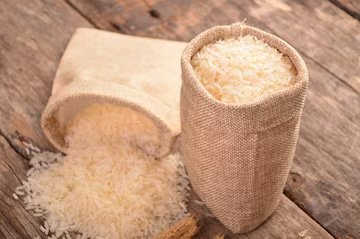
Whether you’re a distributor in Rotterdam, a retail buyer in Dubai, a food-service supplier in Lagos, or a wholesaler in Los Angeles, the fundamentals of finding a trustworthy Hom Mali rice supplier don’t change by region. Origin, purity, crop year and documentation matter the same amount no matter which port the container is headed to, and that’s exactly what the rest of this guide walks through.
What “Hom Mali” Actually Means
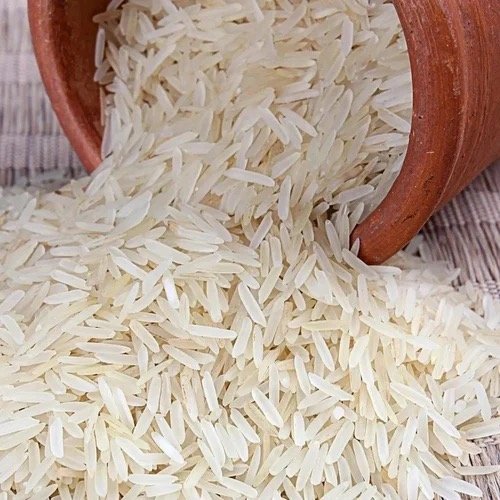
Hom Mali is Thailand’s official name for its premium aromatic long-grain rice, grown from the KDML105 and RD15 cultivars. “Hom” translates roughly to fragrant, and “Mali” refers to jasmine flowers — together describing the rice’s natural floral aroma, which comes primarily from a compound called 2-acetyl-1-pyrroline. In English-language markets, this rice is usually just called jasmine rice, but Hom Mali is the more precise term, tied to a specific Thai government standard covering cultivar, grain characteristics and quality grading.
Not every jasmine-style rice grown in Thailand automatically qualifies as Hom Mali under the official standard, and not every bag labeled jasmine rice internationally is Thai in origin at all. That’s exactly why the supplier you choose matters as much as the label on the product — a Hom Mali rice supplier with direct mill relationships can actually verify what’s in the container, where a reseller several layers removed from the source often can’t.
Geographical Indication Status
Thai Hom Mali rice from the Thung Kula Rong-Hai region carries recognized geographical indication (GI) protection, a status similar to how Champagne or Parmigiano-Reggiano are protected in Europe — the name is tied to a specific place and set of production conditions, not just a recipe or variety that can be grown anywhere. It was among the first Thai GI products registered in the EU, and the World Intellectual Property Organization’s overview of the Thung Kula Rong-Hai GI is a genuinely useful independent read if you want to understand why origin verification matters more for this rice than for most other agricultural commodities.
For a buyer, this means two things in practice. First, provenance is verifiable — a legitimate Hom Mali rice supplier should be able to tell you specifically which province and district a lot came from. Second, the GI status is part of why genuine Hom Mali commands a real price premium over generic jasmine-style rice from elsewhere — you’re not just paying for a name, you’re paying for a rice grown under specific soil and climate conditions that produce a measurably stronger aroma.

The Official Hom Mali Standard
Thailand maintains an official grading standard for Hom Mali rice covering permitted cultivars, minimum purity (the percentage of the batch that must actually be Hom Mali cultivar rather than mixed with other long-grain varieties), grain length, moisture content and broken-grain tolerance. A Hom Mali rice supplier working to this standard should be able to state the purity percentage of a given lot, not just describe it generically as “jasmine rice.”
| Specification | Typical standard for genuine Hom Mali | Why it matters |
|---|---|---|
| Cultivar purity | 92% or higher KDML105/RD15 | Lower purity means a meaningful share of the batch isn’t actually Hom Mali cultivar |
| Moisture content | 13.0% – 14.0% | Aroma degrades faster than in neutral rice varieties when moisture runs high |
| Average grain length | 7.0mm and above | Longer, uniform grains are a visual mark of genuine premium Hom Mali |
| Broken grains | 0% – 5% for premium grades | Premium Hom Mali is typically sold at low broken percentages |
| Chalky grains | ≤ 4% | Chalky kernels are especially visible against Hom Mali’s clear, translucent standard grain |
| Crop year | Current season strongly preferred | Aroma weakens noticeably after roughly 12 months in storage |
How to Verify a Hom Mali Rice Supplier Is Selling the Real Thing
- Ask for the Certificate of Origin naming Thailand specifically, not just a general “Asia” origin statement
- Ask which province and mill the rice came from — a real Hom Mali rice supplier can answer this in one sentence
- Request the cultivar purity percentage from the Certificate of Analysis, not just a broken-grain figure
- Confirm crop year and approximate milling date rather than accepting “fresh stock” as a description
- For large orders, commission an independent third-party inspection — a surveyor can verify grain characteristics against the official standard
None of this is difficult to provide if a supplier is genuinely selling authentic Hom Mali rice. If a Hom Mali rice supplier hesitates on any of these points, or answers vaguely, treat that as a signal worth taking seriously before you commit to an order.

Why Buyers Choose DThai as Their Hom Mali Rice Supplier
We’re not the largest Hom Mali rice supplier in Thailand, and we’re not trying to be. What we compete on is being specific where other suppliers stay vague — naming the mill and province, disclosing the actual purity percentage, and quoting a real crop year instead of implying every batch is somehow always fresh. A lot of our buyers came to us after ordering “Hom Mali” from another supplier and receiving something that technically passed as jasmine-style rice but clearly wasn’t the premium product they’d paid for.
Being a genuine Hom Mali rice supplier means saying no sometimes, too. During a short harvest, we won’t quietly blend lower-purity stock into a Hom Mali order just to fill it — we’ll tell a buyer honestly what’s available and let them decide whether to wait for fresh-crop stock or adjust the order. That costs us the occasional order in the short term. It’s also exactly why buyers who care about getting the real thing keep coming back.
We also stay reachable after the container ships. If a customs office wants a document reformatted, or your bank needs an amendment on a letter of credit, our export desk handles it within days, not weeks — as much a part of being a reliable Hom Mali rice supplier as the rice itself.
Cooking and Culinary Notes
Hom Mali rice cooks at roughly a 1:1.5 rice-to-water ratio, slightly less water than standard long-grain rice needs, and benefits from a brief rinse before cooking to remove surface starch without washing away the aroma compounds that make it worth buying in the first place. Cooked properly, it should be soft, slightly sticky, and carry a clear floral aroma that’s noticeable even a few minutes after the rice cooker or pot finishes.
For food-service buyers reselling Hom Mali rice, it’s worth telling kitchen staff that this rice needs less water and shorter soaking than they might be used to with a standard long-grain variety — over-watering is the most common reason a kitchen gets a mushier, less aromatic result than the rice is actually capable of producing.
Storing Hom Mali Rice to Protect the Aroma
Aroma loss is the main quality risk with Hom Mali rice, more so than with neutral long-grain varieties, and storage conditions matter more than most buyers expect. Keep it in a cool, dry, ventilated space, off the floor on pallets, away from direct sunlight and away from anything with a strong smell, since milled rice absorbs odors from nearby stock. Properly stored, it holds good aroma for roughly 6–9 months from milling — after that point it’s still safe to eat, but the quality that justifies the Hom Mali price premium fades.
If you’re holding Hom Mali stock for an extended period, rotate older bags to the front of your picking line and avoid mixing crop years in the same storage area where possible — a buyer who receives a mixed-age batch may notice inconsistent aroma between bags from the same order, which is avoidable with basic warehouse discipline.
Our Sourcing and Quality Process
As a Hom Mali rice supplier, we work directly with mills across Surin, Roi Et, Sisaket and the Thung Kula Rong-Hai plain rather than buying generic jasmine-style rice on the open market and relabeling it. Every lot is tested for cultivar purity, moisture, broken percentage, chalkiness and grain length before it’s approved for export, and we disclose the crop year and provincial origin on every quotation.
We also fumigate ahead of loading and follow first-in-first-out stock rotation in our warehouse, so the aroma and quality that leaves our facility is what actually arrives at your port, not degraded by weeks of poor storage conditions in transit.
Packaging Options
- 5kg and 10kg retail bags for supermarket and specialty grocery shelving
- 25kg and 50kg woven PP bags for wholesale and food-service distribution
- 1,000kg – 1,200kg jumbo bags for repacking or large-volume food-service buyers
- Vacuum-sealed pouches, which preserve aroma noticeably longer than a standard bag — worth it for premium retail programs
- Custom private-label packaging for buyers building their own Hom Mali-branded retail line
Pricing for Genuine Hom Mali Rice
Genuine Hom Mali rice prices at a premium over both standard long-grain rice and generic jasmine-style rice from other origins, reflecting the single dry-season harvest, tighter cultivar purity requirements, and the extra handling needed to preserve aroma. We quote in USD per metric ton, FOB, CFR or CIF, refreshed weekly against the harvest calendar and currency movement. Buyers on standing monthly or quarterly orders typically secure a better contract rate than one-off spot purchases.
If a competing quote for “Hom Mali” or “jasmine” rice comes in noticeably below ours, it’s worth asking exactly what cultivar purity and origin that price reflects — a lower price is often a lower purity blend or a different origin entirely, not the same product at a better deal.
Shipping and Documentation
We load out of Bangkok and Laem Chabang port, with lead times typically running 15–25 days from confirmed order to vessel departure. Every shipment includes a Certificate of Origin, Phytosanitary Certificate, Fumigation Certificate, Certificate of Analysis (including purity and moisture readings), Packing List, Commercial Invoice and Bill of Lading, with Halal and Health Certificates available on request.
If you’re weighing Hom Mali against other rice grades for your customer base, our comparison of jasmine rice and long-grain white rice covers how the two typically serve different parts of a market, and our full rice for sale catalog lists every grade and variety we carry alongside Hom Mali.
Questions Worth Asking Any Hom Mali Rice Supplier
Before you commit to a deposit, these are the questions we’d want answered if we were the ones buying — and the ones a real Hom Mali rice supplier should be able to answer without hesitation:
- Which province and mill does this specific lot come from?
- What’s the cultivar purity percentage on the Certificate of Analysis?
- What crop year is this stock, and when was it milled?
- Can I get an independent inspection at the port before the container is sealed?
- What happens, in writing, if the shipment doesn’t match the agreed specification?
A Hom Mali rice supplier who answers all five clearly and quickly is worth doing business with. One who deflects, or answers only in general marketing language, is a signal worth taking seriously before you wire a deposit.
Common Mistakes Buyers Make
- Accepting the label “Hom Mali” or “jasmine” without asking for a Certificate of Origin naming Thailand specifically
- Not asking for cultivar purity, then receiving a blend that’s only partly genuine Hom Mali cultivar
- Comparing prices across suppliers without confirming they’re quoting the same crop year and purity level
- Storing Hom Mali rice in humid conditions, which accelerates aroma loss faster than for neutral rice varieties
- Assuming every Thai exporter sources from the recognized Hom Mali growing regions rather than blending in rice from other areas
How to Order From Us
- Send us your target grade, packing format, volume and destination port
- We return a formal quotation with a specification sheet, including provincial origin, crop year and purity
- You confirm the order and we issue a proforma invoice
- Payment terms are agreed — typically T/T deposit with balance against shipping documents, or L/C for larger first orders
- We schedule the order, load the container, and send tracking and documents once the vessel departs
Our contact page reaches the export desk directly, and our wholesale trading terms page covers minimum order quantities and standard terms in more detail.
Frequently Asked Questions
Is Hom Mali rice the same as jasmine rice?
In everyday trade language, yes, the terms are used interchangeably for Thai aromatic long-grain rice. Technically, Hom Mali is the more precise term tied to Thailand’s official standard and specific cultivars, while “jasmine rice” is a broader market term also applied to aromatic rice from other countries.
What’s the minimum order for a Hom Mali rice supplier like DThai?
Our practical minimum is one 20-foot container, roughly 25 metric tons. We can occasionally accommodate a smaller trial quantity for new buyers who want to verify quality before committing to a full container.
How can I tell if a supplier is selling genuine Hom Mali versus a cheaper substitute?
Ask for the Certificate of Origin, the cultivar purity percentage, and the provincial source. A supplier who can answer all three specifically and quickly is far more likely to be selling the genuine product than one who responds with general marketing language about “premium quality.”
Does genuine Hom Mali rice cost significantly more than standard jasmine rice?
It typically carries a real premium, though the gap varies with the season and how strictly “jasmine rice” is defined by the comparison. The price difference reflects genuine cost factors — single-harvest supply constraints, purity requirements and additional handling — not just brand positioning.
Can you provide documentation proving GI or origin status for retail labeling?
We provide a Certificate of Origin and Certificate of Analysis with every shipment, which most retail and food-service buyers use to support their own labeling claims. If your market has specific additional labeling or certification requirements tied to GI status, let us know early so we can confirm what we can and can’t provide.
What’s the difference between a Hom Mali rice supplier and a general rice trading company?
A general trading company may source Hom Mali rice as one of many products from whichever origin is cheapest that week. A dedicated Hom Mali rice supplier with direct mill relationships in the recognized growing provinces can speak specifically to origin, purity and crop year in a way a generalist trader often can’t, because they’re not actually one step removed from the source.
Do you supply Hom Mali rice for private label retail brands?
Yes — a meaningful share of what we ship as a Hom Mali rice supplier goes out under a buyer’s own retail brand. Custom bag printing is available from relatively modest minimum order quantities, and we can advise on packaging formats, such as vacuum-sealed pouches, that help preserve aroma on a retail shelf.
If you’re looking for a Hom Mali rice supplier who can actually answer where the rice comes from, not just what it’s called, send us your target grade, volume and destination — we’ll get a real quotation back to you with the origin, purity, crop year and price all in one document.
Related Rice Guides
Sourcing more than one grade or format? These related guides cover the rest of our rice export range in more detail.
- Rice for sale
- Wholesale rice exporter
- Bulk rice supplier
- Jasmine rice for sale
- Thai Hom Mali rice supplier
- Premium Thai Hom Mali Rice
See our detailed guide on TIS 4004 certification and specifications. Thai Hom Mali rice supplier.
Worried about blended or mislabeled rice being sold under the Hom Mali name? Our guide on how to tell genuine Hom Mali rice from blended or mislabeled grain walks through the verification checks, documentation, and questions worth asking any supplier before you commit.