When most first-time buyers search for a long-grain white rice supplier Thailand exporters actually ship containers from, they’re usually not looking for something exotic. Long-grain rice is the rice most people mean when they just say “rice,” no aroma, no specialty starch structure, just a reliable, fluffy, separate-grain staple that works across almost any cuisine. What you actually need from a supplier here isn’t a story, it’s consistency, container after container, year after year.
We’re DThai Company Limited, milling this line from paddy grown across the northern plains of Thailand, the same growing region behind our jasmine and white rice. This guide covers what a genuine long-grain white rice supplier Thailand buyers can depend on should show you, the specs worth locking down, and the mistakes that tend to cost buyers money on this specific product.
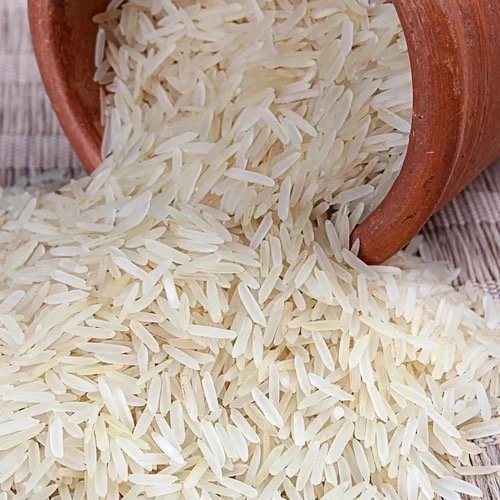
Table of Contents
- Why This Is the Highest-Volume Line Most Exporters Carry
- Specifications Worth Getting in Writing
- Why Non-Aromatic Matters for a Lot of Buyers
- A Short History of Long-Grain Rice in Global Trade
- How This Rice Is Grown and Milled
- Grading Standards Worth Understanding Before You Negotiate
- Packaging, Container Loading, and MOQ
- Who Buys This, and Why It Shapes What You Should Ask For
- Government and Institutional Procurement
- Common Mistakes Buyers Make
- A Note on Blending and Custom Specifications
- Questions to Ask a Long-Grain White Rice Supplier Thailand Buyers Trust
- Quality Control and Traceability
- Freight and Container Planning
- Payment Terms and Documentation
- How This Compares to Other Rice in a Typical Order
- A Quick Checklist Before You Commit
- Storage and Handling Once It Reaches You
- Sustainability and Farming Practices
- Cooking Notes Worth Passing to Your Customers
- Institutional Buyers vs. Retail and Foodservice
- Nutritional Profile, Roughly
- Frequently Asked Questions
- Getting a Quote
- Related Rice Sourcing Guides
Why This Is the Highest-Volume Line Most Exporters Carry
Long grain rice, in the general non-aromatic sense, is the most widely traded rice shape on earth, the reference type behind everything from American Carolina-style rice to most of the bulk rice moving through West African and Caribbean import markets. It became the dominant commodity shape in international trade because it holds up well in storage, cooks predictably, and doesn’t carry a strong flavor of its own, three things that matter enormously once rice has to travel across oceans and sit in a warehouse before it reaches a plate.
That volume is exactly why picking the right long-grain white rice supplier Thailand exporters actually run at scale matters. A supplier who only handles small specialty orders may struggle with the consistency and lead times a high-volume commodity buyer actually needs, while a supplier set up for volume should be able to quote fast, hold stock ready, and ship on a predictable schedule.
Specifications Worth Getting in Writing
- Variety: long-grain, non-aromatic paddy rice.
- Moisture: 14% max.
- Broken grains: 5% max, also available at 10% or 25% broken on request for institutional catering or budget retail lines.
- Admixture: 0.2% max.
- Milling: well-milled, sortex-cleaned.
- Grain length: 6.0 to 7.0 mm average.
- Shelf life: 12 to 18 months, stored dry and sealed.
- Packing: 5kg, 25kg, and 50kg PP bags, with 1,000kg jumbo bags for industrial buyers, and private label available.
- Loading: FCL preferred, LCL available for smaller trial orders.
Grain length is worth actually confirming rather than assuming. Buyers sometimes assume “long-grain” is a fixed, standardized term, but there’s real variation between suppliers in what gets sold under that label. Ask for the actual millimeter range, not just the variety name, especially if you’re supplying a market with specific expectations about grain appearance.
Why Non-Aromatic Matters for a Lot of Buyers
This isn’t an aromatic variety, and that’s genuinely the point for a lot of buyers. Some cuisines and some customer bases specifically don’t want the pandan-like fragrance jasmine rice carries, and a plain long-grain white rice supplier gives them a clean, neutral rice that takes on the flavor of whatever it’s cooked with rather than adding its own. The grain runs about four to five times longer than it is wide, which is what gives it that light, fluffy, separate texture once cooked, distinct from the clingier medium and short grain rice also on the market.
A Short History of Long-Grain Rice in Global Trade
Long-grain rice, in the general non-aromatic sense, didn’t become the world’s default commodity shape by accident. It became the reference type because it travels well, mills consistently, and doesn’t carry a flavor that clashes with regional cuisines the way an aromatic variety sometimes does. That’s exactly why government food programs, large distributors, and grocery chains across continents standardized on it decades ago, and why the sourcing question today is less about finding an interesting product and more about finding a long-grain white rice supplier Thailand market who can actually deliver the same spec, shipment after shipment, without drift.
How This Rice Is Grown and Milled
We source paddy from smallholder farms behind our other commodity lines, hulled and milled through multiple passes to fully remove the bran and germ layer, then sortex-sorted to pull discolored or broken grains before bagging. There’s less of a distinctive process story here than on our specialty lines, honestly, because consistency rather than a unique trait is the entire goal with this product. A long-grain white rice supplier Thailand buyers keep reordering from is usually winning on reliability, not on a novel processing method.
Grading Standards Worth Understanding Before You Negotiate
The same terminology applies here as across commodity rice: broken percentage, admixture, and moisture content, each measured against standard export thresholds. 5% broken is the standard retail grade, with 10% and 25% broken available for institutional catering, feed blending, or budget retail lines where price matters more than presentation. Get your target broken percentage confirmed in writing on any purchase order, since the price difference between grades is real and worth locking down before a container ships rather than discovering after.
Packaging, Container Loading, and MOQ
Minimum order for most exporters is one 20ft container FOB Thailand for standard pricing, with LCL available for smaller trial orders. A standard 20ft container holds roughly 24 to 27 tonnes of bagged rice depending on bag size and stacking pattern. Because this is typically a high-turnover line, a well-stocked long-grain white rice supplier Thailand buyers rely on for repeat orders should have finished stock ready to ship rather than needing a fresh milling run every time, which shows up directly in shorter lead times.
Standard packaging is 5kg, 25kg, and 50kg woven PP bags, with 1,000kg jumbo bags for bulk industrial and institutional buyers. Custom bag printing and net weight declarations tailored to your destination market are usually available on private label orders, and because this is a high-volume line, most suppliers hold more finished stock ready than they would on a specialty rice product.
Who Buys This, and Why It Shapes What You Should Ask For
This is typically one of the highest-volume export lines any Thai rice supplier carries, specifically because it’s the default choice across so many markets, general grocery retail, foodservice distribution, institutional catering, and government or NGO food programs that need a reliable, shelf-stable staple rather than a specialty product. Demand tends to track general population growth and food security programs more than any culinary trend, which makes supply consistency, not novelty, the thing worth prioritizing when you’re comparing quotes.
Government and Institutional Procurement
A meaningful share of long-grain rice volume moves into government food security programs, school feeding initiatives, and NGO distribution contracts rather than commercial retail. These buyers typically face stricter documentation requirements, fixed specification tolerances written directly into a tender, and longer payment cycles than a commercial buyer. A long-grain white rice supplier Thailand exporters set up for this kind of order should handle certificate of analysis, phytosanitary documentation, and fixed-price contracts as standard practice, not as a special request that slows things down. If you’re bidding on a tender requiring a specific origin certificate or fumigation standard, flag it early so your supplier can confirm they can actually meet it before you commit to the bid.
Common Mistakes Buyers Make
The most common mistake is assuming long-grain rice is interchangeable with jasmine or basmati in a customer-facing product. It isn’t, the lack of aroma is noticeable to anyone expecting a fragrant rice, and substituting without telling your own customer base tends to generate complaints fast. The second is not specifying broken grade clearly in a purchase order, since the price difference between grades is real and worth confirming in writing before a container ships rather than after. The third is underestimating how much packaging and documentation vary by destination market, worth confirming with your supplier before booking rather than discovering a gap once a shipment is already at customs.
A Note on Blending and Custom Specifications
Some buyers ask a long-grain white rice supplier to blend broken grades to hit a specific price point, others ask for a slightly different moisture target for a particularly humid destination climate. A mill that controls its own milling process can usually accommodate both within reason. What a legitimate supplier won’t do is blend in a different variety without disclosing it, which unfortunately isn’t universal practice across every supplier in this market. It’s worth asking directly if a quote seems unusually cheap relative to the spec you requested, since that’s often where the difference hides.
Questions to Ask a Long-Grain White Rice Supplier Thailand Buyers Trust
What crop year is this rice from? Can you provide an independent lab certificate rather than just your own spec sheet? What’s your remediation process if a container arrives outside the agreed spec? And are you the mill, or a trader reselling someone else’s output? A genuine long-grain white rice supplier Thailand exporters can vouch for answers all four directly, and it’s worth asking the same of anyone else you’re comparing against.
Quality Control and Traceability
Every batch we export traces back to the mill lot it came from, with records of moisture readings, broken grain percentage, and cleaning runs for that shipment. Given how much volume moves through this line, internal QC checks should run frequently, simply because more containers means more chances for something to slip if a supplier isn’t careful. Ask whether your supplier can produce lot-specific data tied to your actual container, not a general company average that looks identical regardless of what’s shipping.
Freight and Container Planning
A standard 20ft container holds roughly 24 to 27 tonnes of bagged rice depending on bag size and stacking pattern. Mixed pallet loading is common if you’re combining this line with another product from the same catalog, useful for buyers splitting a container across a couple of SKUs rather than committing a full load to one product. Flag any destination-specific fumigation or container requirements before booking so nothing holds up customs clearance once the shipment arrives at port.
Payment Terms and Documentation
Standard terms across most exporters are T/T, roughly 30% deposit with the balance against shipping documents, moving to L/C for larger repeat orders. Every shipment should include a certificate of origin, phytosanitary certificate, and fumigation certificate, with third-party inspection available on request. Lead time from a well-stocked supplier typically runs 7 to 15 days from deposit to loading, since this is a high-turnover line with finished stock usually ready rather than waiting on a fresh milling run.
How This Compares to Other Rice in a Typical Order
Compared with our Jasmine Rice, this line has no aroma and costs less, which matters for buyers whose customers don’t specifically ask for a fragrant rice. Compared with our Medium-Grain Rice, it stays looser and more separate after cooking rather than clinging together. Buyers sourcing a long-grain white rice supplier for general foodservice or retail resale usually pick this over a specialty line specifically because it’s the safest, most predictable choice for a broad customer base rather than a niche one.
A Quick Checklist Before You Commit
Before wiring a deposit to any long-grain white rice supplier Thailand market, pull together: a written spec sheet with moisture, broken percentage, admixture, and grain length numbers; a sample you’ve actually cooked, not just looked at; confirmation of crop year; an independent lab certificate or the offer of third-party inspection; clear payment terms in writing; and a realistic lead time tied to your actual destination port rather than a generic estimate. None of this is unusual to ask for, and a supplier with nothing to hide will walk you through it without pushback.
It’s also worth asking directly what happens if a container arrives outside the agreed spec. A supplier with a clear remediation process has usually dealt with the situation before, while a vague or defensive answer is worth treating as a flag before you commit to a larger repeat order.
Storage and Handling Once It Reaches You
Long-grain white rice is one of the more forgiving products to store, with a 12 to 18 month shelf life when kept dry and sealed, which is part of why it’s the default staple for buyers who need to hold inventory without constant reorder pressure. Keep it in a cool, dry space and rotate stock so older bags move first, and it should hold its texture and cook performance reliably through that window. Unlike our whole-grain and specialty lines, there’s genuinely less to worry about here day to day, which is exactly the appeal for high-volume buyers.
Sustainability and Farming Practices
The paddies behind this line are the same smallholder, largely rain-fed operations supplying our other rice, without a heavy synthetic pesticide program. Given the volume this line moves at, packaging and logistics choices have the biggest cumulative environmental impact here compared with our lower-volume specialty lines, which is part of why efficient jumbo bag loading makes sense for large industrial buyers rather than always packing down to small retail units. If your retail partner or government contract requires formal documentation on farming practices, tell your supplier the exact standard being asked for.
Cooking Notes Worth Passing to Your Customers
Standard ratio is 1:2 rice to water, brought to a boil then simmered covered for about 18 to 20 minutes, longer than jasmine rice since there’s no aromatic bran compound accelerating absorption. It holds up well to reheating and doesn’t clump the way a stickier grain does, which is part of why it’s the default choice for meal-prep and buffet-style foodservice operations supplying large volumes on a tight schedule.
Institutional Buyers vs. Retail and Foodservice
Government and NGO procurement buyers sourcing a long-grain white rice supplier care most about fixed specification tolerances, documentation that matches tender requirements exactly, and predictable pricing over a longer contract period. Retail and foodservice buyers care more about consistent grain appearance, reliable lead times matched to their own inventory cycles, and packaging that fits their distribution setup, whether that’s small retail bags or bulk jumbo sacks for repackaging. A supplier who asks which category you fall into before quoting is usually one that tailors grade, documentation, and lead time appropriately rather than offering a one-size answer to every buyer.
Nutritional Profile, Roughly
Per 100g cooked, long-grain white rice runs close to 130 calories, with about 28g of carbohydrate and roughly 2.5g of protein, broadly in line with other milled white rice. It’s a clean-label, allergen-free carbohydrate base, which is exactly why it shows up as a default side dish and ingredient base across so many different cuisines rather than being tied to one specific style of cooking. That neutrality is part of what makes it the safest, most broadly usable line for buyers supplying a mixed customer base rather than one specific cuisine.
Frequently Asked Questions
What’s the minimum order for a long-grain white rice supplier Thailand exporters typically quote?
One 20ft container FOB Thailand for standard pricing, with LCL available for smaller trial orders.
Do you ship long-grain rice worldwide?
Yes, this is one of our highest-volume export lines and we ship it to every region we serve.
Can you do custom or private label packaging?
Yes. We handle bag printing and custom packaging specs for buyers who want their own brand on the bag.
Do you offer sample bags before a full order?
Yes, we can send a pre-shipment sample along with a certificate of analysis before you commit to a full container.
Can I order a blend of broken grades?
Yes, tell us your target blend and we can load multiple grades in one shipment.
How do I know a long-grain white rice supplier Thailand mill is actually reliable for repeat volume?
Ask about their typical stock position, whether they usually have finished rice ready to ship or need a fresh milling run each time, and request references or examples of long-running accounts. A mill set up for volume should have a straightforward answer, not a vague one.
Is this rice enriched or fortified?
Not as standard, but a long-grain white rice supplier working with government or institutional buyers should be able to discuss fortification programs for food security or procurement contracts where that’s a requirement.
Getting a Quote
Send your target broken percentage, destination port, and volume, and we’ll turn a quote around fast. You can see our full spec sheet on our Long-Grain White Rice product page, or reach out through our contact page directly with your requirements. For broader context on how Thailand’s rice export sector is organized, the USA Rice Federation’s overview of global rice classifications is a useful starting point for buyers newer to sourcing rice internationally.