A red rice supplier isn’t something most buyers go looking for casually. If you’ve landed here, you’re probably already building a specialty or health-focused product line and need the actual color and antioxidant profile to be genuine, not just red rice in name. That distinction matters more than it sounds, because red rice varies a lot batch to batch depending on where and how it’s grown, and a supplier who can’t speak to that variation is guessing along with you.
We’re DThai Company Limited, and we source and mill red rice from paddy grown in the higher-elevation areas around Chiang Rai, Thailand. This guide covers what a genuine red rice supplier should be able to show you, the specs worth confirming before you order, and where buyers new to this specific line tend to trip up.
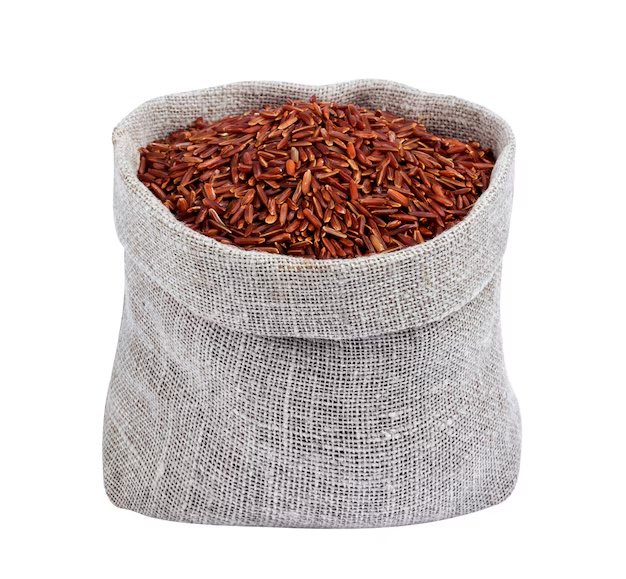
Table of Contents
- What Makes Red Rice Different From Brown or Black Rice
- Specifications Worth Getting in Writing
- How This Red Rice Is Actually Grown and Milled
- A Short History Worth Knowing
- Grading Standards, and What’s Different Here
- Packaging, Container Loading, and Minimum Orders
- Who Buys Red Rice, and Why It Shapes What You Should Ask For
- Common Mistakes First-Time Buyers Make
- Questions to Ask a Red Rice Supplier Before You Commit
- Quality Control and Traceability
- Storage and Shelf Life Once It Reaches You
- Sustainability and Farming Practices
- A Quick Checklist Before You Wire a Deposit
- Cooking Notes Worth Passing to Your Customers
- Freight and Container Planning
- Institutional and Retail Buyers Have Different Priorities
- Nutritional Profile, Roughly
- What to Expect on Price Compared With Commodity Rice
- Payment Terms and Documentation
- How Red Rice Compares to Other Specialty Lines
- Frequently Asked Questions
- Getting a Quote
- Related Rice Sourcing Guides
What Makes Red Rice Different From Brown or Black Rice
The reddish color in this rice comes from anthocyanin pigments concentrated in the bran layer, the same family of antioxidant compounds found in red grapes and berries. Because we only lightly mill red rice to remove the hull while leaving the bran intact, that color and the nutrients that come with it stay in the finished grain. It cooks up chewier and nuttier than white rice, closer in texture to brown rice, but with its own distinct reddish hue and a slightly earthier flavor that sets it apart on a shelf or a menu.
A red rice supplier working with genuine stock should be able to explain exactly why the color varies between crops and regions, since anthocyanin concentration isn’t uniform across every red rice variety. If a supplier can’t speak to this at all, that’s usually a sign they’re reselling someone else’s output rather than growing and milling it themselves.
Specifications Worth Getting in Writing
- Variety: red whole-grain paddy rice.
- Moisture: 13% max.
- Broken grains: 5% max.
- Admixture: 0.3% max, slightly higher tolerance than our milled white lines.
- Milling: lightly milled, hull removed, bran layer retained.
- Shelf life: 9 to 12 months, shorter than white rice due to the bran oil content, stored dry and sealed.
- Packing: 500g, 1kg, 5kg, and 25kg bags for retail and foodservice, with 1,000kg jumbo bags for larger volume orders.
- Loading: FCL or LCL depending on order size.
Color consistency deserves its own line item beyond the standard grading terms. Because red rice from different growing regions can vary noticeably in hue and intensity, ask any red rice supplier specifically how they grade for a consistent reddish-brown color across a batch, rather than mixing grain from inconsistent sources to hit a volume target.
How This Red Rice Is Actually Grown and Milled
We source paddy from smallholder farms in the higher-elevation areas around our growing region, since red rice varieties tend to do better in slightly cooler, less intensively farmed conditions than our commodity white rice lines. Milling is deliberately light, just enough to remove the outer hull, since over-milling would strip away the bran layer that gives this rice its color, texture, and nutritional value in the first place. That’s a harder balance to get consistently right than it sounds, mill too aggressively and you lose the point of the product entirely.
A Short History Worth Knowing
Red rice varieties have been grown across Asia for thousands of years, long before white rice milling became the industrial standard, and pockets of red rice cultivation survived in places where the grain held real cultural or ceremonial significance, the Himalayan foothills, parts of Thailand, and the Camargue region of southern France among them. It never disappeared, but it stayed a minority crop for centuries while polished white rice became the default commodity grain across most of the world. That history is part of why sourcing a real red rice supplier still takes more diligence than sourcing commodity white rice, the supply chains never scaled the same way, and quality still varies more supplier to supplier.
Grading Standards, and What’s Different Here
Grading for red rice covers broken percentage, admixture, and moisture content, similar to our other lines, but color consistency is the factor most buyers underweight. We grade for a consistent reddish-brown color across each batch rather than blending grain from inconsistent sources, and it’s worth asking any red rice supplier you’re evaluating exactly how they handle this, since it’s a less standardized part of the trade than white rice grading.
Packaging, Container Loading, and Minimum Orders
Given the smaller batch sizes typical of this specialty line, minimum order runs lower than our commodity rice, and most orders ship as part of a mixed container alongside other specialty rice rather than filling a full 20ft container on their own. If you’re a smaller specialty grocer or a restaurant group testing a new whole-grain menu item, this is actually an advantage, you’re not forced into a full-container commitment just to access genuine red rice.
Standard packaging is 500g, 1kg, 5kg, and 25kg bags for retail and foodservice buyers, with 1,000kg jumbo bags for larger volume orders. Custom bag printing is available for private label orders, and because bran oil content shortens shelf life relative to white rice, a responsible red rice supplier mills in smaller batches closer to your ship date rather than holding large finished stock that’s already losing freshness before it leaves the warehouse.
Who Buys Red Rice, and Why It Shapes What You Should Ask For
This line moves primarily through health food retailers, specialty grocers, and restaurant groups building whole-grain or ancient-grain menu programs. Demand for a reliable red rice supplier tends to track the broader whole-grain and functional-food trend rather than moving as a general commodity staple, buyers are usually specifically seeking out the nutritional and flavor profile rather than defaulting to red rice as a generic substitute for something else.
Health food and specialty grocery buyers stocking this line care most about clear labeling around the nutritional profile and consistent color batch to batch, since customers are often specifically seeking out the antioxidant content. Restaurant groups building whole-grain menu items care more about consistent cook time and texture, since an inconsistent batch shows up immediately in a finished dish. Tell your supplier which category you’re buying for, it shapes what grade and packaging actually make sense.
Common Mistakes First-Time Buyers Make
The most common mistake is assuming red rice cooks like white rice. It doesn’t, it needs more water and a longer cook time similar to brown rice, since the bran layer is intact. The second is not accounting for the shorter shelf life compared with white rice, the bran oil content means red rice should move through inventory faster or be stored more carefully than a commodity milled rice. The third is confusing red rice with red yeast rice, a completely different product used in traditional medicine and food coloring, not something any legitimate red rice supplier in the export rice trade actually sells.
Questions to Ask a Red Rice Supplier Before You Commit
What’s the actual anthocyanin or antioxidant testing behind any health claims you plan to put on your own label? How fresh is this crop, and what’s a realistic shelf life given your specific storage conditions and climate? Can I get a sample large enough to test color and flavor consistency, not just look at the grain in a small bag? And who’s actually milling this, are you the source, or reselling someone else’s stock? A genuine red rice supplier answers all four directly, and it’s worth asking the same of anyone else you’re comparing.
Quality Control and Traceability
Every batch we export traces back to the specific mill lot it came from, with records of moisture readings, broken grain percentage, and color consistency for that shipment. Given how much color and freshness matter for this product specifically, we run checks beyond our standard grading measures to confirm each batch actually meets the color and quality standard we’ve committed to. Ask your own supplier whether they can produce lot-specific data tied to your actual order, rather than a general average that looks the same regardless of what’s shipping.
Storage and Shelf Life Once It Reaches You
Red rice has a shorter shelf life than white rice because the intact bran layer contains natural oils that can turn rancid over time, particularly in warm, humid storage conditions. Plan inventory turnover accordingly, and store finished stock in cool, dry conditions rather than a hot warehouse corner. A dependable red rice supplier should be able to give you a realistic shelf life estimate for your specific climate and storage setup, not just a generic number pulled from a spec sheet template.
Sustainability and Farming Practices
The paddies growing this line tend to be smaller and less intensively farmed than our commodity white rice operations, largely rain-fed and often using fewer synthetic inputs given the crop’s traditional cultivation methods in these higher-elevation areas. Batch sizes run smaller than our high-volume lines, which keeps stock fresher and reduces the risk of the bran oil going rancid in storage. If your retail partner needs formal documentation on this, tell your supplier the exact standard being asked for rather than accepting a vague claim.
A Quick Checklist Before You Wire a Deposit
Pull this together before committing to any red rice supplier: a written spec sheet with moisture, broken percentage, and admixture numbers; a sample you’ve actually cooked and tasted, not just looked at in the bag; confirmation of crop year and where specifically the paddy was grown; an independent lab certificate or the offer of third-party inspection; clear payment terms in writing; and a realistic lead time that accounts for the smaller batch sizes this specialty line typically runs on. None of this is unusual to ask for, and a supplier confident in their own sourcing will walk you through it without hesitation.
It’s also worth asking directly how the supplier tests for color consistency before shipping, and whether they’ve ever had a batch rejected by a buyer for inconsistent hue. A straight answer here, including an honest “yes, and here’s how we fixed our process,” tells you more than a supplier who claims perfect consistency across every crop they’ve ever milled.
Cooking Notes Worth Passing to Your Customers
Standard ratio is close to 1:2 rice to water, similar to brown rice, simmered covered for about 35 to 45 minutes depending on the specific batch. A short soak before cooking can shorten that time and improve texture consistency, which is worth mentioning in any customer-facing recipe copy aimed at retail buyers who may be cooking red rice for the first time. If you’re supplying a restaurant group rather than retail, flag the longer cook time upfront, kitchens used to white or jasmine rice sometimes underestimate how much longer whole-grain red rice actually needs on the stove.
Freight and Container Planning
Given the smaller batch sizes typical of this line, most red rice orders ship as part of a mixed container alongside other specialty rice from the same catalog rather than filling a full 20ft container alone. A red rice supplier used to this kind of order should be able to coordinate mixed pallet loading for buyers combining several specialty lines in one shipment, and should flag any destination-specific fumigation or labeling requirements before booking rather than after the container is already loaded.
Institutional and Retail Buyers Have Different Priorities
A health food retailer or specialty grocer stocking a red rice supplier’s product cares most about consistent color and clear labeling explaining the nutritional profile, since customers are often specifically seeking out the antioxidant content rather than buying rice as a generic staple. A restaurant group building a whole-grain menu item cares more about consistent cook time and texture across large batches, since color variation matters less once the rice is plated as part of a dish. Telling your supplier which category you fall into changes what grade, batch size, and packaging actually make sense for your order.
Nutritional Profile, Roughly
Per 100g cooked, red rice runs close to 215 to 230 calories, higher than white rice because the bran and germ layers are still intact, with about 45g of carbohydrate, roughly 5g of protein, and around 3g of fiber. The anthocyanin content is the real story here, these antioxidant compounds aren’t found in standard white or brown rice at meaningful levels, which is a genuine point of difference rather than marketing language. If you’re formulating a product around a health claim, work with your regulatory team on what level of specificity your market allows, a red rice supplier can confirm the grain’s natural composition, but the legal claim on your packaging is your call to make correctly.
What to Expect on Price Compared With Commodity Rice
Red rice runs noticeably higher per tonne than commodity white or even standard brown rice, and it’s worth understanding why before you push back on a quote. Smaller batch sizes, more selective sourcing from higher-elevation smallholder farms, lighter and more carefully controlled milling, and a shorter shelf life that requires closer coordination between milling and shipping all add real cost that a straight commodity line doesn’t carry. A red rice supplier quoting a price close to standard brown rice is either working with a lower grade than advertised or absorbing a margin that won’t hold up over repeat orders, so treat an unusually low quote with the same skepticism you’d apply to any specialty product priced like a commodity.
Payment Terms and Documentation
Standard terms are T/T, roughly 30% deposit with the balance against shipping documents, moving to L/C for larger repeat orders. Every shipment should include a certificate of origin, phytosanitary certificate, and fumigation certificate, with third-party inspection available on request. Lead time typically runs 10 to 20 days from deposit to loading, depending on current stock position for this specialty line, with transit time after that depending on your destination port.
If your business already imports specialty or ancient grains, none of this paperwork will surprise you. If it’s your first time sourcing a specialty rice line specifically, a legitimate red rice supplier should walk you through each document rather than assuming you already know what a phytosanitary certificate covers or why fumigation documentation matters for customs clearance at your destination port.
How Red Rice Compares to Other Specialty Lines
Compared with our Brown Rice, red rice has a more pronounced reddish color and a slightly nuttier, earthier flavor, though both are whole-grain products with the bran layer intact. Compared with our Black Rice (Forbidden Rice), the color and flavor profile are distinct, black rice runs deeper in both color and antioxidant concentration, while red rice sits in its own middle ground between brown and black in terms of intensity. Buyers sourcing a red rice supplier are usually building a specialty or health-focused product line rather than looking for a general commodity substitute for any of our other rice.
Frequently Asked Questions
Is red rice the same as brown rice?
No, though they’re often shelved together. Both retain the bran layer, but red rice gets its color from anthocyanin pigments specific to red rice varieties, while brown rice is simply unmilled white rice without that pigmentation.
What’s the minimum order for a red rice supplier like DThai?
Lower than our commodity lines given the smaller batch sizes involved. Contact us with your target volume and we’ll confirm what’s achievable for your specific order.
Do you ship red rice worldwide?
Yes, we ship to health food retailers, specialty grocers, and restaurant groups across multiple continents.
Can this be used in place of black rice?
They’re different products with different flavor and color profiles. Our Black Rice is the better choice if you specifically need that deep purple-black color and its distinct flavor.
Do you offer sample bags before a full order?
Yes, we can send a pre-shipment sample along with a certificate of analysis before you commit to a full order, and we’d encourage testing color and flavor consistency yourself rather than judging from a photo.
Why does color vary between batches from the same red rice supplier?
Anthocyanin concentration shifts with growing conditions, elevation, and even how much sun a specific crop gets, so some natural variation is normal from harvest to harvest. What shouldn’t vary is the grading standard your supplier applies, ask how they sort for consistency within a single shipment even if crop-to-crop color naturally shifts a little.
Can you do custom or private label packaging?
Yes. We handle bag printing and custom packaging specs for buyers who want their own brand on the bag, from small 500g retail units up to 1,000kg jumbo bags.
Getting a Quote
Contact us with your target volume, destination port, and packaging requirements, and we’ll turn a quote around fast. You can see our full spec sheet on our Red Rice product page, or reach out directly through our contact page. For more background on the anthocyanin pigments behind the color, the Wikipedia entry on anthocyanins covers the compound family in more scientific depth than we can here.