If you’ve spent any time trying to buy wholesale jasmine rice, you’ve probably noticed the same problem we hear about constantly: everyone claims to sell “premium” jasmine rice, but half the quotes that land in your inbox don’t even say what grade, what moisture percentage, or what crop year they’re talking about. That’s not wholesale sourcing, that’s guessing with extra steps.
We’re DThai Company Limited, and we supply wholesale jasmine rice by the container to distributors, food-service companies, and private label brands across the Gulf, Africa, Europe, the Americas, and Asia-Pacific. This guide walks through what wholesale jasmine rice actually means in practice, what specifications to expect, how pricing and minimum orders work, and what tends to go wrong for buyers ordering it for the first time.
None of this is complicated once someone lays it out plainly. It’s just rarely laid out plainly, which is most of why this page exists.
What “Wholesale” Actually Means for Jasmine Rice Buyers
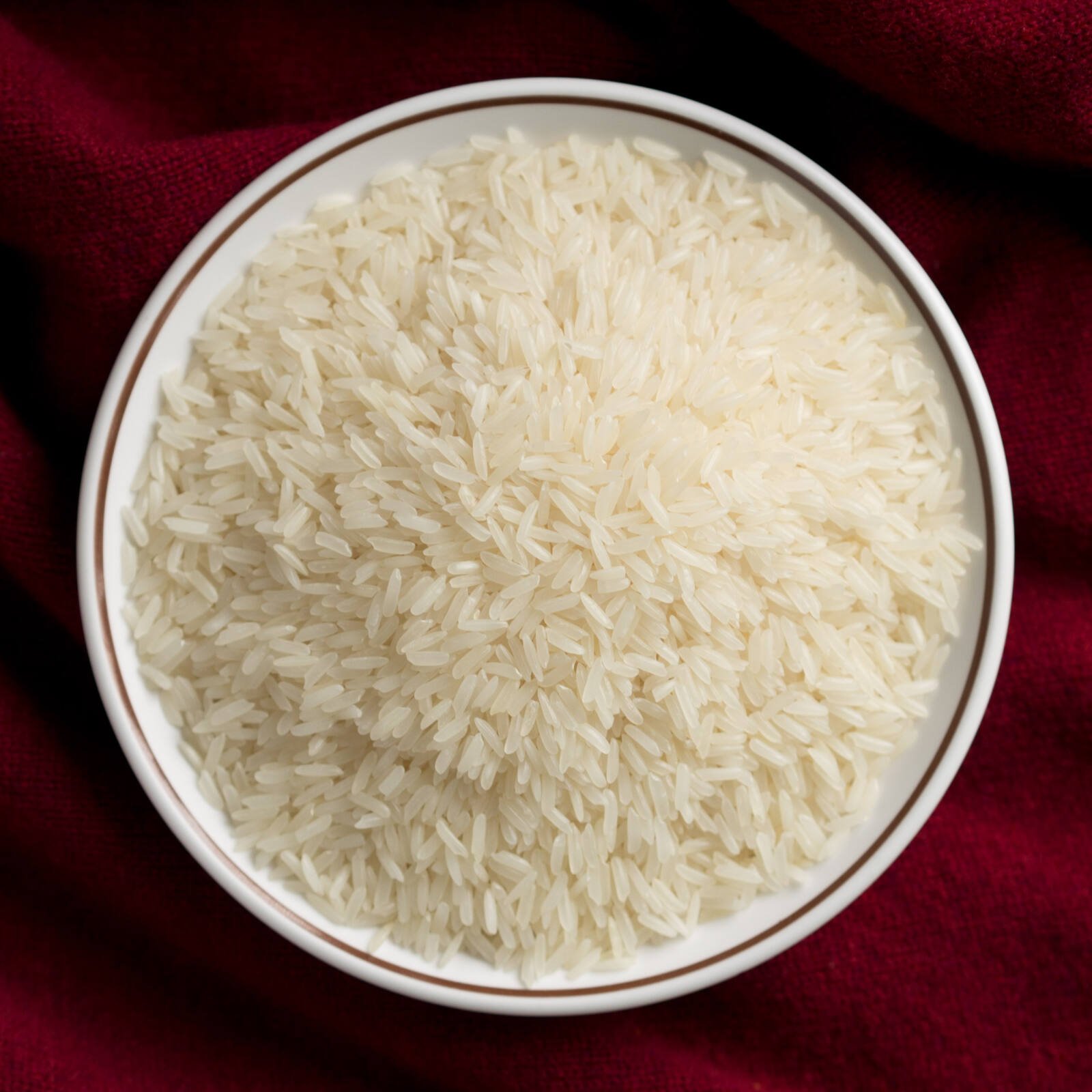
Wholesale jasmine rice isn’t a grade or a variety, it’s a volume category. It means you’re buying by the pallet, the ton, or the container rather than by the bag, and the pricing, packaging, and paperwork all shift once you cross that line. A supermarket shopper pays a retail markup for a 2kg bag with a barcode on it. A wholesale buyer is paying closer to the actual cost of growing, milling, and shipping the rice, plus a margin that gets thinner the bigger the order gets.
That distinction matters because a lot of first-time buyers come to us expecting retail-style customer service, sample-sized flexibility, and small-batch pricing, then get frustrated when a wholesale jasmine rice supplier quotes a 20-foot container as the practical starting point. It’s not that we won’t talk to smaller buyers. It’s that the entire cost structure of wholesale jasmine rice is built around volume, and quoting container pricing on a 50-bag order just doesn’t work financially for either side.
Specifications You Should Expect
A real wholesale jasmine rice quote should come with a spec sheet, not just a price. Here’s what we ship as our standard export grade, and what any serious supplier should be able to state clearly without hedging:
| Specification | Standard Export Grade |
|---|---|
| Variety | Thai Hom Mali (Jasmine) Rice, long grain |
| Moisture | 14% max |
| Broken grains | 5% max (Premium Grade A) |
| Admixture | 0.2% max |
| Grain length | 6.8mm to 7.2mm average |
| Milling | Double-polished, sortex-cleaned |
| Crop year | Current season |
| Packing | 5kg, 25kg, 50kg PP bags, or 1,000kg jumbo bags |
If a quote for wholesale jasmine rice comes in noticeably cheaper than everyone else’s and doesn’t mention broken grain percentage or moisture content, ask before you assume it’s a good deal. Cheaper almost always means a lower spec somewhere, and it’s better to know which spec that is before the container is already on a ship.
How Wholesale Pricing Actually Works
Wholesale jasmine rice is priced in USD per metric ton, quoted FOB (free on board, meaning the price covers the rice loaded onto the vessel at a Thai port) or CIF (cost, insurance, and freight to your destination port). FOB is usually cheaper on paper and gives you control over your own freight forwarder; CIF is simpler if you don’t already have shipping relationships in place and would rather have one number to budget against.
Pricing moves with the harvest calendar and currency exchange rates, so a wholesale jasmine rice quote from three months ago isn’t necessarily still accurate today. We refresh pricing weekly, and buyers on standing monthly or quarterly contracts typically lock in a better rate than someone placing a single spot order, mostly because predictable volume lets us plan milling and container bookings further ahead.
Minimum Order Quantities and Packaging
For wholesale jasmine rice, our practical minimum is one 20-foot container, which works out to roughly 25 metric tons depending on packaging format. That’s not an arbitrary number, it’s close to the point where container shipping costs stop eating into the per-ton price in a way that makes the deal worth doing for either party.
- 5kg and 10kg woven bags for retail and specialty grocery shelving
- 25kg and 50kg PP or PP-laminated bags for wholesale distribution and food-service buyers
- 1,000kg jumbo bags for industrial buyers or anyone repackaging under their own brand
- Custom private label printing, available from a moderate minimum order once artwork is approved
We’ll occasionally work with a smaller trial order for a new buyer who wants to verify quality before committing to a full container of wholesale jasmine rice, but that’s the exception, not the standard offer.
Who Actually Buys Wholesale Jasmine Rice
Three types of buyers make up most of our wholesale jasmine rice business. Food distributors restocking grocery chains and Asian markets are the largest group, usually ordering on a repeat monthly or quarterly schedule once they’ve qualified a supplier. Restaurant supply companies and food-service distributors are the second group, often blending jasmine rice orders with other staples like sugar or cooking oil on the same container to spread freight costs. Private label brands are the third, and probably the fastest-growing segment we see, buyers who want their own bag design on rice they didn’t have to build a supply chain to grow.
If you already carry our Long-Grain White Rice or work with us on sugar, adding wholesale jasmine rice to the same shipment is usually the easiest expansion, same paperwork, same shipping lane, one more SKU on the container manifest.
Grades and How They Affect Price
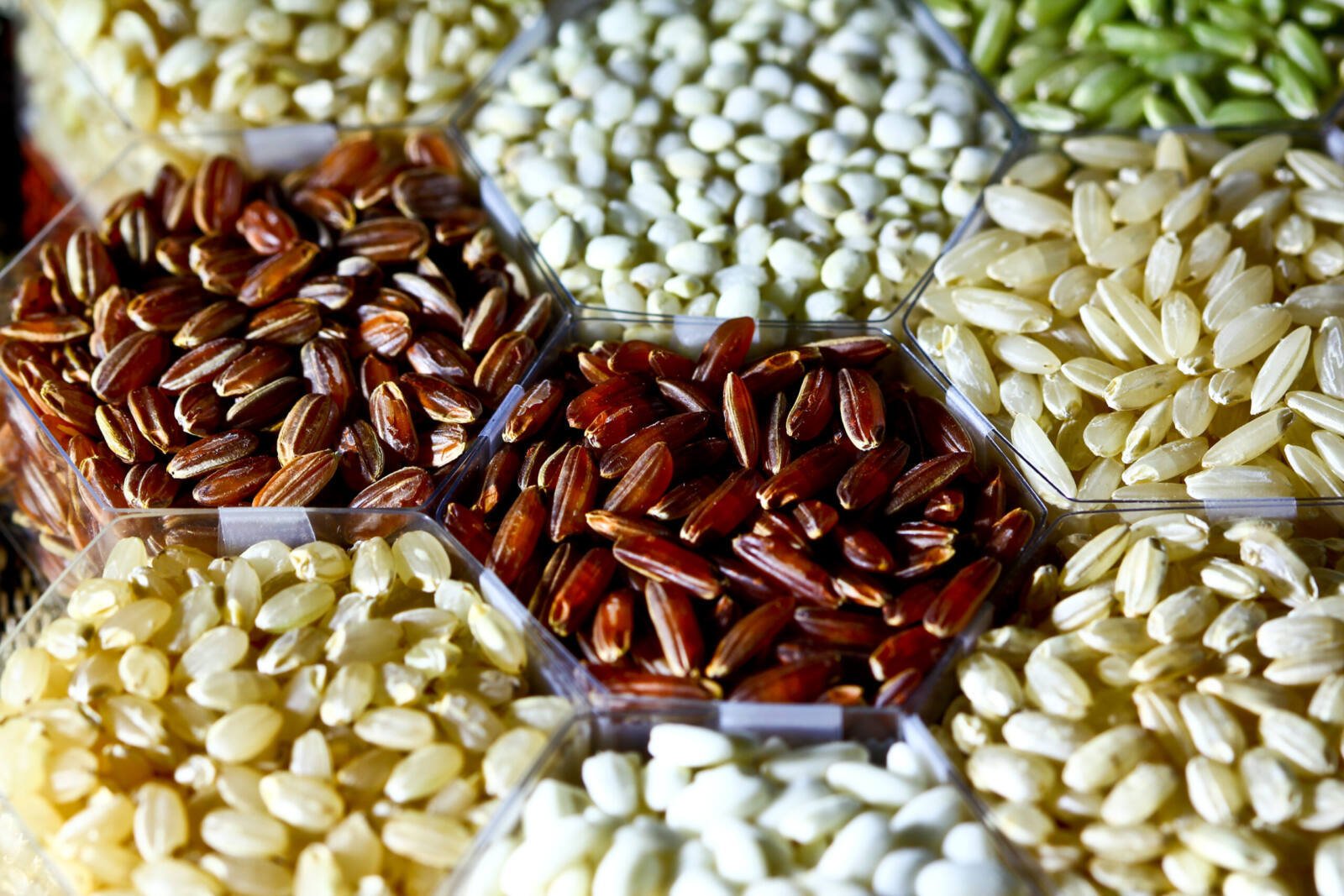
Not all wholesale jasmine rice sold under that name is the same grade, and the grade is really what you’re paying for. A 5% broken grade costs more than a 25% broken grade because it takes tighter sorting to achieve, even though both cook and taste almost identically. If your end use is institutional catering or a blended product where appearance doesn’t matter much, a higher broken percentage can be the financially smarter buy. If you’re packaging for retail shelf presentation, the lower broken grade earns its premium visually.
Genuine Hom Mali jasmine rice, the specific cultivar tied to Thailand’s aromatic long-grain standard, also commands a premium over generic jasmine-style rice from other origins. We cover that distinction in more depth in our guide to choosing a Hom Mali rice supplier, but the short version for wholesale buyers is: ask what cultivar you’re actually being quoted, because “jasmine rice” gets used loosely across the trade.
Where This Rice Comes From
Our wholesale jasmine rice is grown and milled in Thailand’s main rice-growing regions, harvested on a single wet-season crop planted around May and brought in October through December. That’s a defined crop year, not a continuous harvest, which is part of why crop age matters so much when you’re comparing quotes. Rice sitting in a warehouse for over a year still passes most spec sheets but has usually lost a noticeable amount of aroma by the time it reaches your dock.
According to the FAO’s Rice Market Monitor, Thailand remains one of the largest rice exporters globally by volume, and jasmine rice specifically holds a disproportionate share of export value relative to tonnage, since it sells at a real premium over plain white or parboiled rice on most markets.
Shipping, Lead Times and Documentation
Once a deposit clears, we typically load and ship wholesale jasmine rice within 10 to 20 days, depending on how much of the order needs fresh milling versus how much is already bagged and sitting ready. Loading happens out of Bangkok or Laem Chabang port. Transit time after that depends entirely on your destination, anywhere from about a week for regional Asian routes to five or six weeks for the Americas.
Every shipment comes with a Certificate of Origin, Phytosanitary Certificate, Fumigation Certificate, Certificate of Analysis, Packing List, Commercial Invoice, and Bill of Lading, with Halal and Health Certificates available on request. If your import process requires third-party inspection, we can arrange SGS or an equivalent surveyor before the container is sealed.
Common Mistakes Buyers Make
- Comparing wholesale jasmine rice prices across suppliers without confirming they’re quoting the same broken percentage and crop year
- Skipping the sample stage to save a week, then discovering an aroma or texture issue after the full container has already shipped
- Not confirming packaging specifics, net weight declarations, and labeling language early enough for the destination country’s customs office
- Assuming a lower quote is simply a better deal, rather than asking what spec that lower price actually reflects
Storage Advice for Wholesale Volumes
Once wholesale jasmine rice lands at your warehouse, keep it off the floor on pallets, in a cool, dry, ventilated space away from anything with a strong odor, since milled rice picks up smells from nearby stock more than people expect. Rotate older bags to the front of your picking line and try not to mix crop years in the same storage block. Properly stored, it holds good aroma and quality for roughly 12 to 18 months, though for wholesale volumes moving through a distribution business, most of it turns over well before that becomes a concern.
Why Buyers Choose DThai for Wholesale Jasmine Rice
We’re not the biggest name in wholesale jasmine rice, and we’re not trying to compete on being the cheapest quote in your inbox. What we compete on is answering the questions a bigger, more anonymous trading house often won’t: which mill, what crop year, what the actual broken percentage is on this specific lot rather than a generic range. A meaningful share of our buyers came to us after a cheaper wholesale jasmine rice order from somewhere else arrived under-spec, and they were tired of that being a recurring risk on every purchase order.
We also stay reachable once the container has already left port. If a bank needs a letter of credit amendment or a customs office wants a document reformatted, our export desk turns that around in days, not weeks. That responsiveness ends up mattering more than people expect until the first time they actually need it.
Wholesale Jasmine Rice vs. Other Grades We Supply
Buyers new to sourcing often ask how wholesale jasmine rice stacks up against our long-grain white rice or parboiled rice, since all three ship out of the same ports on similar timelines. Jasmine rice costs more per ton and has a shorter aroma-life once milled, but it carries a real retail price premium that usually protects margin better than a cheaper commodity grade. Long-grain white rice, by comparison, is the workhorse SKU for buyers serving a price-sensitive staple market where aroma isn’t the selling point. Most of our distributor accounts carry both, jasmine for the premium shelf space and standard long-grain for volume, and blend them on the same container to spread freight cost across more product.
If you’re deciding how much of your container to allocate to wholesale jasmine rice versus a plainer grade, it usually comes down to your end customer. Foodservice accounts serving Thai, Vietnamese, or broader Southeast Asian menus lean heavily toward jasmine. General grocery and bulk staple buyers often split the order, since jasmine has become the default aromatic rice on shelves next to basmati in a lot of Western markets now.
Nutritional Basics Worth Knowing for Labeling
For buyers repackaging wholesale jasmine rice under a private label, a rough nutritional profile per 100g cooked runs about 130 to 150 calories, 28 to 30g carbohydrate, 2 to 3g protein, and under half a gram of fat. It’s not a meaningful fiber source in its milled, white form, that’s what our brown and red rice grades are for, though it does carry small amounts of thiamine, folate, and manganese. If your market requires harder figures than that for a formal label, we’d point you toward a proper lab analysis rather than a general estimate, and we can arrange third-party testing on a specific lot if your retail program needs it.
Quality Control and Traceability
Every batch of wholesale jasmine rice we export is traceable back to the specific mill lot it came from, and we keep moisture readings, broken grain percentages, and cleaning run records for each shipment on file. If a buyer ever raises a quality question on a container after it’s arrived, we can pull the actual production data for that lot instead of offering a generic apology and a discount. It’s not the most exciting part of the business, but it’s the difference between a supplier you reorder from for years and one you use exactly once.
We’re not going to claim a formal sustainability certification we don’t hold, but the mills and paddies we source wholesale jasmine rice from are smallholder, family-run operations rather than industrial monoculture, and much of the crop relies on rain-fed irrigation rather than heavy pumping. If your retail program needs specific sustainability documentation, tell us what standard you’re being asked to meet and we’ll give you a straight answer on whether we can support it.
Payment Terms for New and Repeat Buyers
For a first order of wholesale jasmine rice, we typically work on a T/T basis, a 30% deposit to confirm and begin milling, with the balance paid against shipping documents once the container is loaded and the Bill of Lading is issued. Once we’ve built a track record with a buyer over a few orders, we’re generally open to a Letter of Credit for larger repeat purchases, which some procurement departments prefer for internal approval reasons. Neither arrangement is unusual for anyone who’s bought agricultural commodities internationally before, but we mention it because a supplier who won’t discuss payment terms clearly upfront is a bigger red flag than a slightly higher unit price.
Lead Times and Planning Around the Harvest Calendar
One thing that catches new buyers off guard is how much the harvest calendar affects wholesale jasmine rice availability and pricing. Since it’s a single wet-season crop, planted around May and harvested October through December, supply is tightest and prices firmest in the months right before the new crop comes in, roughly August through October. Buyers who lock in a standing order or a forward contract ahead of that window generally get steadier pricing than someone placing a one-off spot order during the tight period and hoping for the best.
If you’re building an annual procurement plan around wholesale jasmine rice, it’s worth talking to us about volume forecasting a season ahead rather than ordering purely reactively. It doesn’t cost you anything to have that conversation, and it usually results in better pricing than negotiating fresh every single time you need a container.
How to Order
- Send us your target grade, packaging format, volume, and destination port
- We return a formal quotation with a spec sheet, including crop year and broken percentage
- You confirm the order and we issue a proforma invoice
- Payment terms get agreed, typically a T/T deposit with balance against shipping documents, or L/C for larger repeat orders
- We schedule milling and loading, then send tracking and full documents once the vessel departs
Our contact page reaches the export desk directly, and our Jasmine Rice product page has the full standard spec sheet if you want to see it before reaching out.
Frequently Asked Questions
What’s the real minimum order for wholesale jasmine rice?
One 20-foot container, roughly 25 metric tons, is our practical starting point. We occasionally accommodate smaller trial quantities for a new buyer verifying quality first, but that’s not the standard wholesale offer.
Should I buy wholesale jasmine rice FOB or CIF?
FOB usually works out cheaper if you already have a freight forwarder and shipping relationships in place. CIF is simpler for a first-time buyer who’d rather have one all-in number to budget against instead of coordinating freight separately.
Can I get a sample before placing a wholesale order?
Yes. We send a pre-shipment sample along with a Certificate of Analysis so you can check grain, aroma, and moisture yourself before committing to a full container of wholesale jasmine rice.
Do you handle private label packaging for wholesale orders?
Yes, we print buyer artwork directly on the bag rather than applying a sticker, which holds up better over long shipping and storage cycles. Lead time on a first private label run is longer since artwork needs approval before printing.
Do you ship wholesale jasmine rice worldwide?
Yes. We’ve shipped wholesale jasmine rice to buyers across West Africa, the Middle East, Europe, and North America, with pricing quoted FOB or CIF depending on your destination port.
Is there a real quality difference between wholesale jasmine rice suppliers, or is it mostly marketing?
There’s a genuine difference, and it usually comes down to crop age, cultivar purity, and how carefully the mill actually held to spec rather than just printing a number on a certificate. Two lots of wholesale jasmine rice can carry an identical spec sheet on paper and still cook up noticeably different once you get them side by side, which is exactly why we push new buyers toward a sample and a cook test before committing to a full container.
If you’re ready to move past vague quotes and want an actual spec sheet with your wholesale jasmine rice pricing, send us your destination and volume and we’ll get real numbers back to you within a business day.
Related Rice Guides
- Jasmine rice for sale
- Hom Mali rice supplier
- Thai Hom Mali rice supplier
- Wholesale rice exporter
- Bulk rice supplier
Our full guide covers grading, packaging, and shipping details worth knowing. jasmine rice supplier Thailand.
Still comparing sources? Our guide on where to buy Thai jasmine rice wholesale walks through the direct-mill, broker, marketplace, and local-distributor routes side by side, plus the red flags worth watching for on a first order.