If you’ve typed “rice for sale” into Google this week, you’re probably past the stage of casual browsing. You’re sourcing for a mill, a distribution warehouse, a supermarket chain, a food manufacturer, or an import business, and you need a supplier who can actually load a container, not just a farmer’s market stall selling five-kilo bags. That’s the gap we sit in. DThai Company Limited ships rice for sale out of Thailand to buyers across Asia, the Middle East, Europe, Africa and the Americas, in quantities that start at a single 20-foot container and scale up to multi-vessel annual contracts.
This page is going to walk through exactly what you’re buying when you buy rice for sale from a Thai exporter: the grades, the moisture and broken-grain numbers that actually matter, how packaging and container loading work, what paperwork you should expect to receive, and how pricing gets built. No fluff, no stock photography copy — just the details a buyer needs before they wire a deposit.
We ship rice for sale to buyers on every continent — importers in the Gulf and East Africa, distributors across Europe, wholesalers in North and South America, and retail chains throughout Asia-Pacific. The specification sheet, the certificate package and the pricing model stay the same no matter where the container is headed. We don’t run a different quality tier for different regions, and we don’t think a buyer three time zones away should get a worse answer to a question than a buyer down the road from our mills.
What’s in This Guide
- What “Rice for Sale” Actually Means When You’re Buying Wholesale
- Our Rice for Sale, by Type
- Why Buyers Keep Coming Back to DThai for Rice for Sale
- Quality Control: What Happens Before Your Rice for Sale Ships
- Common Mistakes First-Time Buyers Make When Sourcing Rice for Sale
- The Specifications You Should Be Asking About
- Where the Rice Actually Comes From
- Packaging and Order Quantities
- Getting Your Rice for Sale Shipped, Wherever You Are
- Certificates and Paperwork You Should Receive With Every Shipment
- How Pricing on Rice for Sale Actually Works
- How to Place an Order
- Storing Rice for Sale After It Reaches Your Warehouse
- Frequently Asked Questions
- What’s the minimum order for rice for sale?
- Can I mix varieties in one container?
- How do I know the rice I receive matches the specification I was quoted?
- Do you sell rice for sale in small retail quantities too?
- Do prices include freight?
- What happens if a shipment doesn’t match the agreed specification?
What “Rice for Sale” Actually Means When You’re Buying Wholesale
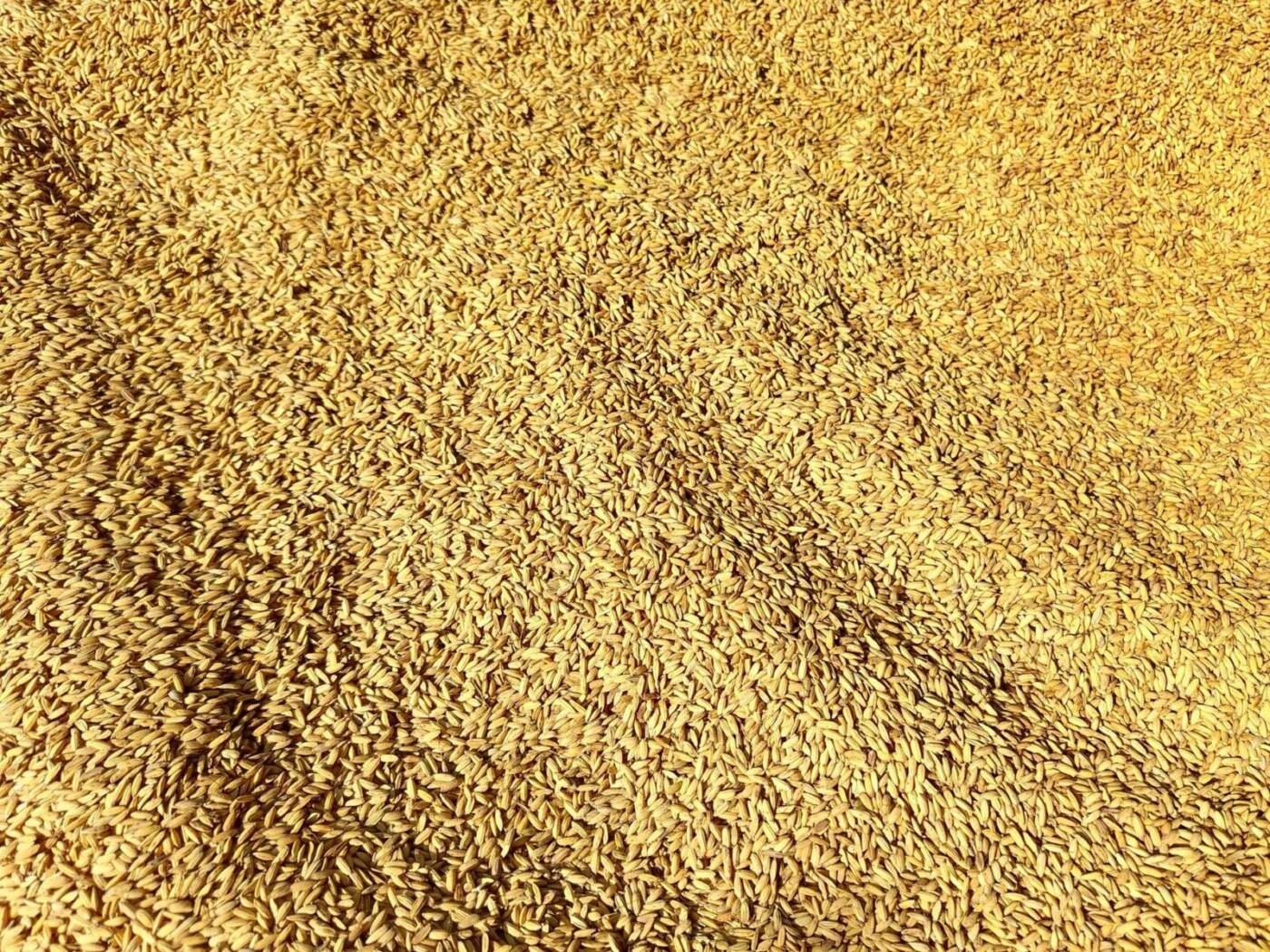
Retail rice for sale and wholesale rice for sale are two different products wearing the same name. A grocery shelf bag tells you the variety and maybe the country of origin. A wholesale quotation for rice for sale has to tell you the grade (5% broken, 10% broken, 25% broken, or 100% Grade A), the moisture percentage, the milling degree, the crop year, and the packing format — because all of those things change how the rice cooks, how long it stores, and what it’s worth.
We sell rice for sale in every major category Thailand produces: jasmine (Hom Mali), long-grain white, parboiled, glutinous (sticky), brown, red cargo, black (forbidden) rice, and a few specialty types like Arborio and Texmati grown under contract for Western kitchens. Every listing on our site carries the specification sheet a purchasing manager actually needs, not a marketing paragraph.
Our Rice for Sale, by Type
Here’s the full catalog. Each one links through to the grade breakdown, packing options and current specification sheet for that product:
- Fragrant white rice — Jasmine Rice (Thai Hom Mali), the aromatic long-grain variety most buyers mean first when they search rice for sale
- Long-Grain White Rice — non-aromatic, high-yield, the workhorse of institutional and food-service buying
- Medium-Grain Rice and Short-Grain Rice — stickier texture, popular in East Asian and Mediterranean cuisine
- Parboiled Rice — steam-treated before milling, holds up better in high-heat markets and long storage chains
- Glutinous (Sticky) Rice — the staple grain of northern and northeastern Thai cuisine
- Brown Rice and Red Rice — less milled, higher fiber, growing fast in health-food retail
- Black Rice (Forbidden Rice) — a premium specialty grain with a strong margin in Western retail
- Arborio Rice and Texmati Rice — specialty short-grain and aromatic types grown for risotto and fusion kitchens
- Standard White Rice — our general-purpose milled white rice, priced for volume buyers
If your business needs more than one variety on a single shipment, we mix product lines on the same booking as long as the container count and packing formats line up. A lot of our repeat buyers run a jasmine and a parboiled SKU side by side, since the demand curves for the two rarely move together.
Why Buyers Keep Coming Back to DThai for Rice for Sale
We’re not the biggest rice trading house in Thailand, and we don’t try to compete on being the biggest. What we compete on is answering the phone, quoting straight numbers instead of vague marketing language, and shipping what the specification sheet says we’ll ship. A lot of our buyers found us after a bad experience with a broker who quoted one grade and delivered another, or who went quiet after the deposit cleared. We’ve built the business around not being that supplier.
DThai Company Limited works directly with mills in the rice-growing regions of Thailand rather than buying rice for sale on the open spot market and reselling it blind. That means we can tell you which province a lot came from, roughly when it was milled, and what the moisture reading was at the mill gate — not just what a certificate says three weeks later. For buyers who resell under their own brand, that traceability matters when a customer asks a hard question.
We also don’t disappear once the container sails. If a customs officer at your port wants a document reformatted, or your bank needs an amendment to a letter of credit, our export desk handles it the same week, not the same quarter. That responsiveness is the actual product, as much as the rice itself.

Quality Control: What Happens Before Your Rice for Sale Ships
Every lot goes through the same sequence before it’s cleared to load. Incoming paddy or milled rice is sampled and tested for moisture, broken percentage, and foreign matter against the grade the buyer ordered. Anything that doesn’t meet spec gets rejected or re-milled — it doesn’t get blended down and shipped anyway, which is a shortcut some exporters take when a harvest runs short.
After milling, we run a second sample check immediately before bagging, and a third spot-check during container loading. For buyers who request it, we’ll arrange an independent third-party inspection at the port before the container is sealed, so you have a report from a firm that doesn’t work for us alongside our own Certificate of Analysis. It costs a little extra and slows loading by a day or two, but for a first order with a new supplier, it’s money well spent.
Pest control and storage matter as much as milling quality. Our warehouse rotation follows first-in-first-out stock handling, and rice destined for export is fumigated ahead of loading so it arrives at your port in the same condition it left the mill in, not degraded by six weeks in a humid container.
Common Mistakes First-Time Buyers Make When Sourcing Rice for Sale
We’ve fielded enough first-order calls to see the same handful of mistakes repeat themselves. Worth flagging before you go shopping around:
- Chasing the lowest price per ton without checking the broken-grain percentage behind it — a 25% broken quote will always beat a 5% broken quote on price, but it’s not the same product
- Skipping the moisture spec entirely — rice quoted at 15%+ moisture is cheaper up front and far more likely to develop mold or insect activity in transit
- Not confirming crop year, especially for jasmine and Hom Mali rice, where aroma fades noticeably after the first year in storage
- Assuming all exporters provide the same certificate package — ask for the full document list in writing before you pay a deposit
- Ordering a trial quantity too small to be commercially useful, then being surprised the per-ton price is higher than the bulk rate quoted online
The Specifications You Should Be Asking About
Any exporter can tell you rice for sale is “premium quality.” That phrase means nothing on a purchase order. What matters is the number sheet. Below is the range we typically quote across our main grades — your actual spec sheet will vary by variety and crop year, and we’ll send you the exact figures for your chosen lot before you commit to anything.
| Specification | Typical range | Why it matters |
|---|---|---|
| Moisture content | 13.0% – 14.5% | Higher moisture shortens shelf life and risks mold in transit; we test every lot before loading |
| Broken grains | 5% / 10% / 15% / 25% / 100% | Lower broken percentage costs more but yields a better cook and higher retail price |
| Foreign matter / admixture | ≤ 0.5% | Chaff, stones and husk fragments left in the bag — buyers should ask for lab test results, not a verbal promise |
| Chalky grains | ≤ 6% (Grade A) | Chalky (immature) kernels break more easily during cooking and milling |
| Milling degree | Well-milled / extra well-milled | Determines how polished and white the finished grain looks on a supermarket shelf |
| Average grain length | 6.8mm+ (jasmine), 7mm+ (long-grain) | Longer, more uniform grains sell at a premium in most export markets |
| Crop year | Current season or one-year-old | Freshness affects aroma in jasmine rice specifically; we disclose crop year on every quotation |
These figures broadly track the grading language used by international bodies such as the USDA’s own rice grading standards, which is worth a skim if you’re new to sourcing and want a second reference point beyond what any single exporter tells you. The Codex Alimentarius food standards published by FAO and WHO cover similar ground for buyers sourcing into markets that follow Codex guidance.
Where the Rice Actually Comes From
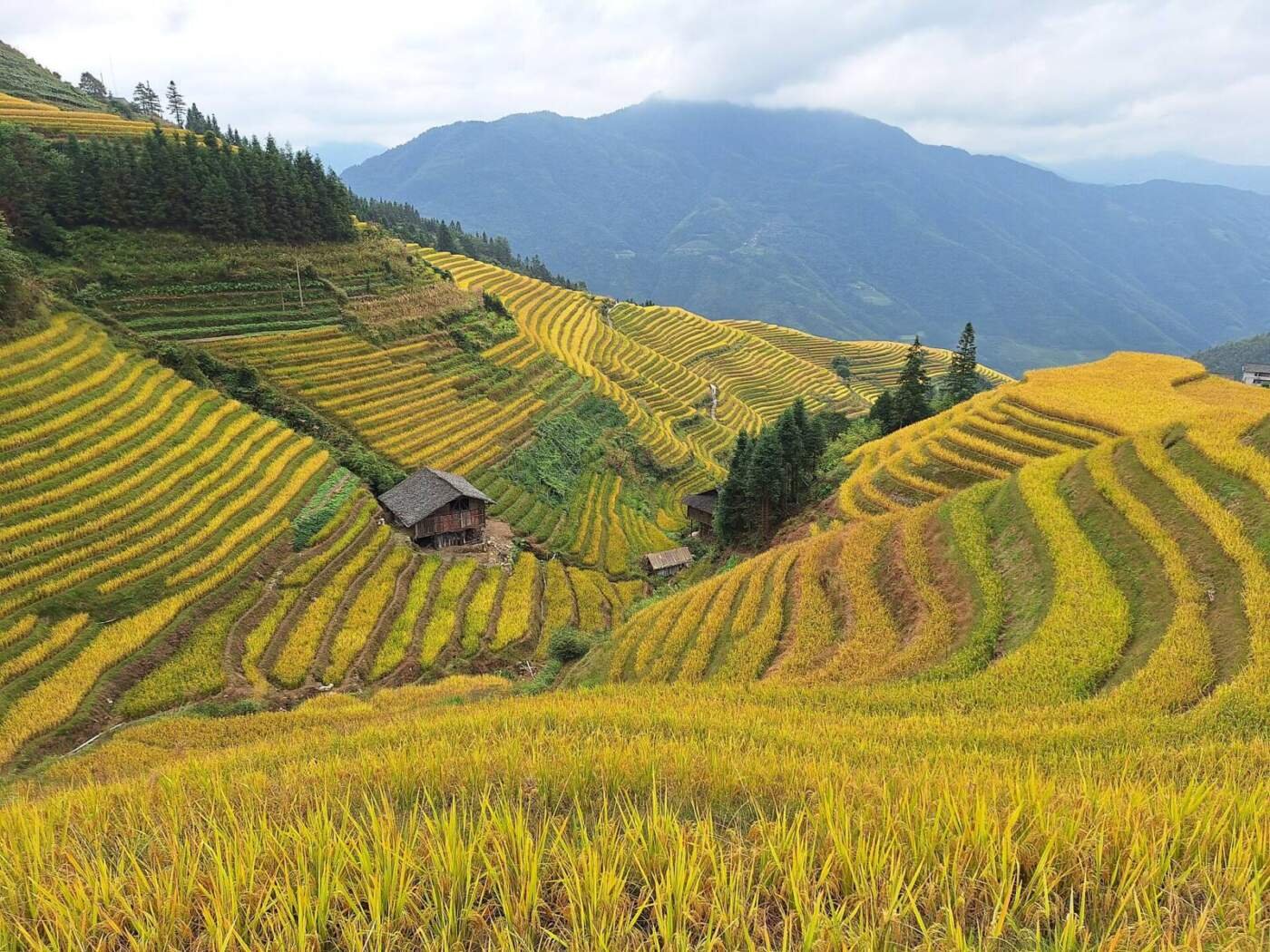
Thailand’s rice-growing regions each specialize a little differently, and knowing this helps explain why our specification sheets vary by variety. Jasmine and Hom Mali rice for sale mostly comes from the northeastern provinces — Surin, Roi Et, Sisaket and the Thung Kula Rong-Hai plain in particular — where the soil and dry-season harvest timing produce the aroma buyers pay a premium for. Long-grain white and parboiled rice, which don’t rely on aroma the same way, are sourced more broadly from the central plains around Chainat, Suphanburi and Ayutthaya, where irrigation supports two or three harvests a year.
We work with a network of mills and farming cooperatives rather than a single source, which gives us flexibility during a short harvest in one region without having to tell a buyer we’re out of stock. It also means we can usually source a specific variety even outside its typical harvest window, pulling from mill storage rather than the field, though pricing and freshness will reflect that.
Packaging and Order Quantities
We pack rice for sale in whatever format matches your distribution chain. Small retail-ready bags don’t make sense on a container headed to a regional distribution center, and jumbo bulk bags don’t make sense if you’re supplying corner stores. Here’s what we run most often:
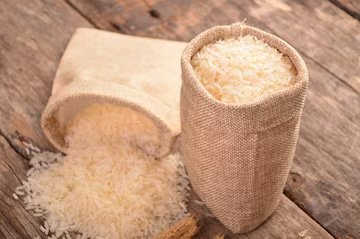
- 5kg, 10kg, 25kg and 50kg woven PP bags, with or without an inner liner, custom-printed with your brand if you’re private labeling
- 1,000kg – 1,200kg jumbo bags (FIBC / bulk bags) for milling, repacking or food-service operations
- Bulk vessel loading in bulk hold, for buyers taking multi-thousand-ton volumes on a scheduled shipping line
- Vacuum-sealed retail pouches for premium and specialty lines such as black rice and Hom Mali
A standard 20-foot container carries roughly 25–27 metric tons of bagged rice for sale; a 40-foot high-cube runs closer to 27–28 tons depending on bag format. Most first-time buyers start with one container to test the lane, then move to standing monthly or quarterly orders once the quality and paperwork check out on their end.
Getting Your Rice for Sale Shipped, Wherever You Are
We load out of Bangkok and Laem Chabang port and quote FOB, CFR or CIF depending on what your freight forwarder prefers. Buyers in the Middle East, Africa, Europe, South Asia and the Americas all order from us regularly, and none of our pricing or paperwork changes based on which continent you’re on — the same grading, the same documentation, the same lead times, worldwide. If your business runs regular container traffic, our guide to container shipping documentation and lead times covers the customs and logistics side in more depth than we can fit here.
Typical lead time from confirmed order to vessel departure runs 15–25 days depending on the season, the packing format, and whether we’re pulling from existing mill stock or scheduling a fresh milling run for your specification.
Certificates and Paperwork You Should Receive With Every Shipment
A serious rice for sale supplier hands you a full documentation package without you having to chase for it. Every order we ship includes:
- Certificate of Origin
- Phytosanitary Certificate
- Fumigation Certificate
- Certificate of Analysis / Quality (moisture, broken %, admixture)
- Packing List and Commercial Invoice
- Bill of Lading
- Health Certificate and Halal Certificate on request
If your country’s customs office needs something specific — an embassy-legalized certificate, an extra lab test from a third-party inspection firm like SGS or Bureau Veritas, or a particular HS code declaration — tell us at quotation stage. It’s much cheaper to build that into the booking than to fix it after the container has sailed.
How Pricing on Rice for Sale Actually Works
Rice pricing moves with the harvest calendar, the Thai baht exchange rate, and global demand out of competing origins like Vietnam and India. We quote in USD per metric ton, FOB or CFR, and we refresh pricing weekly. A quote you receive on a Tuesday for jasmine rice for sale might shift by the following Tuesday — that’s the nature of an agricultural commodity, not a sales tactic, and we’ll always tell you straight when a price has moved rather than let you find out at contract signing.
Bigger volumes and longer contract terms bring the per-ton price down. If you can commit to a 6 or 12-month standing order, ask us for a contract rate — it’s usually meaningfully better than paying spot price container by container.
How to Place an Order
The process is straightforward and we keep it that way on purpose:
- Send us your target variety, grade, packing format and destination port
- We send a formal quotation (FOB/CFR/CIF) with the specification sheet attached
- You confirm the order and we issue a proforma invoice
- Payment terms are agreed — typically T/T deposit with balance against shipping documents, or L/C for larger first-time orders
- We schedule milling or pull from stock, load the container, and send you tracking and documents as soon as the vessel departs
If you’d rather talk it through than fill out a form, our contact page reaches our export desk directly, and our wholesale terms page lays out minimum order quantities and standard trading terms in more detail.
Storing Rice for Sale After It Reaches Your Warehouse
Buying good rice for sale is only half the job — how you store it after the container is unloaded determines whether it still looks and cooks like premium grain three months later. Rice should go into a dry, ventilated space, off the floor on pallets, away from direct sunlight and away from anything with a strong odor, since milled rice absorbs smells from nearby stock more than most buyers expect. Warehouses with poor humidity control are the single biggest reason a buyer’s customer complaints spike even when the rice left our mill in perfect condition.
Bagged rice for sale in 25kg and 50kg PP bags generally holds well for 6–12 months in a properly managed warehouse, longer for parboiled and lower-moisture lots, shorter for aromatic jasmine varieties where flavor is the thing you’re protecting. If you’re holding stock for an extended period, rotate older bags to the front of your picking line and keep new arrivals separate — it sounds obvious, but it’s the single most common inventory mistake we hear about from wholesale buyers after the fact.
Frequently Asked Questions
What’s the minimum order for rice for sale?
Our practical minimum is one 20-foot container, roughly 25 metric tons. We occasionally accommodate smaller trial orders for new buyers who need to test quality before scaling up — ask us directly if a full container is more than you need right now.
Can I mix varieties in one container?
Yes. Many buyers combine jasmine and parboiled, or white and glutinous, on a single booking. We just need bag counts for each variety so we can plan the packing run.
How do I know the rice I receive matches the specification I was quoted?
Every shipment ships with a Certificate of Analysis from our quality control lab, and you’re welcome to commission an independent pre-shipment inspection through a third-party surveyor at your own cost — most of our larger buyers do this as standard practice, and we cooperate fully with whichever inspector you choose.
Do you sell rice for sale in small retail quantities too?
Our core business is wholesale and export volume, but we do produce retail-ready bagged and vacuum-sealed formats for buyers who are stocking store shelves rather than a warehouse. Let us know your target shelf format and we’ll quote accordingly.
Do prices include freight?
That depends which Incoterm you ask for. FOB pricing covers the rice loaded onto the vessel at the Thai port — freight is your forwarder’s cost from there. CFR includes ocean freight to your destination port. CIF adds marine insurance on top of that. Most experienced buyers with their own forwarder relationships prefer FOB; first-time buyers often find CIF simpler because fewer parties are involved in the transaction.
What happens if a shipment doesn’t match the agreed specification?
It’s covered in the sales contract before the deposit is even paid, which is exactly why we recommend buyers read that section closely rather than skim it. In practice, a documented deviation outside agreed tolerance is handled through a price adjustment, a partial credit on the next order, or in rare cases a replacement shipment, depending on the severity and what the independent inspection report shows. We’d rather resolve this in writing up front than argue about it after a container has already cleared your customs.
If you’ve read this far, you already know more about buying rice for sale wholesale than most first-time importers do. The next step is simple: send us your target variety and destination, and we’ll get a real quotation back to you — grade, moisture, packing, price, lead time, all in one document, no guesswork attached.
Related Rice Guides
Sourcing more than one grade or format? These related guides cover the rest of our rice export range in more detail.
Our full guide covers incoterms, ports, and realistic lead times. Thai rice exporter.